15 Minute Workout for Older Adults at Home: Simple Exercises That Work
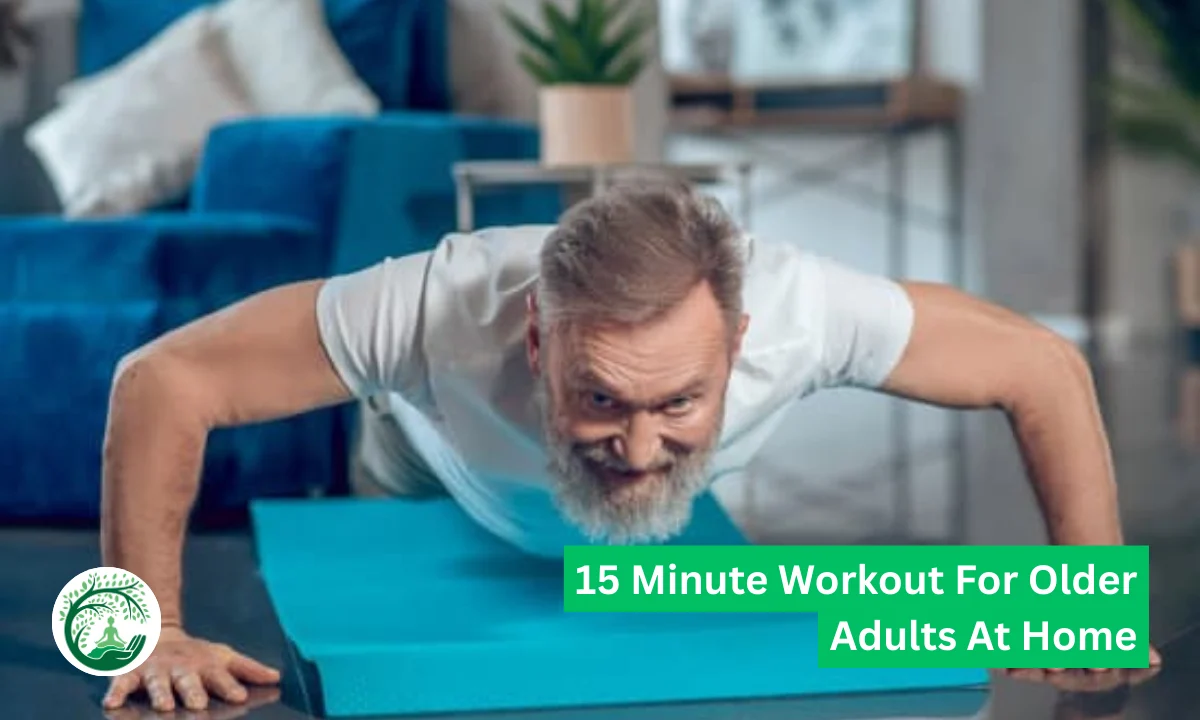
15 minute workout for older adults at home
A 15 minute workout for older adults at home is the perfect way to stay fit without spending hours at the gym. As we age, staying active becomes more important than ever. Many people over 60 think they need expensive equipment or long workout sessions to see results, but that is not true at all. You can build strength, improve balance, and boost your energy with just 15 minutes of exercise right in your living room.
The best part is you do not need any fancy machines or weights to get started. This quick routine fits easily into your day, whether you do it in the morning or before dinner. Regular exercise helps older adults live longer, healthier lives. It reduces the risk of falls by improving balance and strengthens muscles that may have weakened over time.
Walking up stairs, getting out of a chair, or carrying groceries becomes easier when you exercise regularly. Your heart health improves, your mood gets better, and you sleep more soundly at night. Even doctors recommend that people over 65 stay as active as possible because movement is like medicine for the body.
Key Takeaways
- A 15 minute daily workout can significantly improve strength, balance, and mobility for older adults
- No equipment needed – chair squats, leg lifts, and arm circles work perfectly at home
- Combining strength, balance, and flexibility exercises gives the best results
- Starting slow and building up gradually prevents injuries and soreness
- Regular exercise reduces fall risk by up to 47 percent according to studies
- Walking combined with home exercises creates a complete fitness routine
- Always consult your doctor before starting any new exercise program
Also Read: Fat Loss Strength Training at Home: Transform Your Body Without Gym
What is the Best Exercise for Older Adults
The best exercise for older adults combines four important types of movement. You need strength training to keep muscles strong and bones healthy. Balance exercises help prevent dangerous falls, which are the leading cause of injury in people over 65. Aerobic activities like walking keep your heart pumping and your energy up. Flexibility work through stretching or gentle yoga keeps your joints moving smoothly.
Walking tops the list as one of the safest, most effective exercises for seniors. You can do it anywhere, adjust the speed to match your fitness level, and it costs nothing. Aim for 8,000 to 10,000 steps daily if possible, but even shorter walks provide real benefits.
Tai chi is another excellent choice because it improves balance, flexibility, and mental focus all at once. Studies show it can reduce falls by nearly half when practiced regularly. Chair exercises work wonderfully for people who need extra support or have mobility challenges.
15 Minute Home Workout Routine for Seniors
This simple routine targets all the important areas your body needs. Here are the exercises with their specific benefits:
1. Marching in Place (2 minutes – Warm Up)
Start your workout by standing tall with your feet hip-width apart. Lift one knee up to a comfortable height, then lower it back down. Alternate legs in a steady rhythm, as if you are marching in a parade. Swing your arms naturally as you march, just like you would when walking. Keep your core engaged and your back straight throughout the movement. You can march slower or faster depending on how your body feels that day.
Benefits:
- Increases blood flow to muscles
- Prepares joints for movement
- Reduces injury risk
- Gradually raises heart rate
- Loosens stiff muscles
2. Chair Squats (10-15 repetitions)
Stand in front of a sturdy chair with your feet shoulder-width apart and toes pointing slightly outward. Keep the chair directly behind you as a safety guide. Slowly bend your knees and push your hips back as if you are about to sit down. Lower yourself until your bottom almost touches the chair seat, but do not actually sit down. Pause for a moment, then push through your heels to stand back up. Keep your chest lifted and your knees aligned over your toes throughout the movement. If this feels too difficult, you can lightly touch the chair seat before standing back up.
Benefits:
- Strengthens quadriceps and glutes
- Improves ability to get up from chairs and toilets
- Builds bone density in hips and legs
- Enhances daily functional movement
- Increases lower body power
3. Seated Leg Lifts (10 lifts each leg)
Sit tall in a sturdy chair with your back straight and your feet flat on the floor. Hold onto the sides of the chair for support if needed. Slowly extend your right leg straight out in front of you until it is parallel to the floor. Point your toes toward the ceiling and engage your thigh muscles. Hold this position for 3 to 5 seconds, feeling the work in your quadriceps. Slowly lower your leg back to the starting position with control. Complete all repetitions on one leg before switching to the other leg. Keep your upper body still and avoid leaning back during the exercise.
Benefits:
- Strengthens quadriceps without stress on knees
- Improves circulation in legs
- Builds core stability
- Safe option for those with balance concerns
- Helps prevent muscle loss in thighs
4. Wall Push-Ups (10 repetitions)
Stand facing a wall at arm’s length distance. Place your hands flat against the wall at shoulder height and shoulder-width apart. Your fingers should point upward toward the ceiling. Step your feet back slightly so your body forms a gentle angle. Keeping your body in a straight line from head to heels, bend your elbows and lean your chest toward the wall. Lower yourself in a controlled manner until your nose almost touches the wall. Push firmly through your palms to straighten your arms and return to the starting position. Keep your core tight and avoid letting your hips sag or stick out.
Benefits:
- Strengthens chest, shoulders, and arms
- Improves pushing ability for daily tasks
- Builds upper body strength safely
- Enhances posture
- Easier on wrists than floor push-ups
5. Arm Circles (30 seconds forward, 30 seconds backward)
Stand with your feet hip-width apart and your arms extended straight out to the sides at shoulder height. Your body should form a T shape. Begin making small circular motions with your arms, moving them forward in a clockwise direction. Keep the circles small and controlled, about the size of a dinner plate. After 30 seconds, reverse the direction and make backward circles for another 30 seconds. Keep your shoulders relaxed and down, away from your ears. Breathe steadily throughout the exercise. For an extra challenge, you can hold a light water bottle in each hand.
Benefits:
- Increases shoulder mobility and flexibility
- Strengthens rotator cuff muscles
- Improves range of motion for overhead reaching
- Reduces shoulder stiffness
- Enhances circulation in upper body
6. Heel-to-Toe Walking (10-20 seconds each direction)
Stand next to a sturdy chair or counter for support. Position your right foot directly in front of your left foot so the heel of your right foot touches the toes of your left foot. Take a step forward, placing your left heel directly against the toes of your right foot. Continue walking in this heel-to-toe pattern for 10 to 20 seconds, as if you are walking on a tightrope. Keep your eyes focused on a point straight ahead rather than looking down at your feet. Use the chair for light support with your fingertips if needed. Walk back to your starting position using the same technique.
Benefits:
- Dramatically improves balance
- Strengthens ankle stabilizer muscles
- Enhances coordination
- Reduces fall risk
- Builds confidence in walking
7. Single Leg Stands (Hold as long as comfortable on each leg)
Stand behind a sturdy chair and hold onto the back with both hands for support. Shift your weight onto your right leg. Slowly lift your left foot a few inches off the ground by bending your knee. Keep your standing leg slightly soft, not locked. Hold this position for as long as you can maintain good balance, aiming for 10 to 30 seconds. Keep your hips level and avoid leaning to one side. Lower your foot back down with control, then repeat on the other leg. As you get stronger, try using just one hand for support, then eventually just fingertip support.
Benefits:
- Improves balance and stability
- Strengthens hip stabilizer muscles
- Enhances proprioception (body awareness)
- Reduces risk of falls by up to 47%
- Builds confidence for everyday activities
8. Bridges (10 repetitions, hold 5 seconds each)
Lie on your back on a comfortable mat or carpet with your knees bent and feet flat on the floor about hip-width apart. Your feet should be close enough to your bottom that you can almost touch your heels with your fingertips. Place your arms by your sides with palms facing down. Press through your heels and lift your hips off the floor, creating a straight line from your knees to your shoulders. Squeeze your glutes and engage your core at the top of the movement. Hold this position for 5 seconds while breathing normally. Slowly lower your hips back down to the floor with control. Rest for a moment before repeating.
Benefits:
- Strengthens glutes and lower back
- Improves core stability
- Reduces lower back pain
- Enhances posture
- Supports spine health
- Makes getting up from lying down easier
9. Gentle Stretching (2 minutes – Cool Down)
Begin your cool down by standing or sitting comfortably. Reach both arms overhead toward the ceiling, stretching through your fingertips and feeling the length in your spine. Hold for 10 seconds, then release. Next, clasp your hands behind your back and gently squeeze your shoulder blades together, opening your chest. Hold for 10 seconds. Gently tilt your head to the right, bringing your right ear toward your right shoulder to stretch your neck. Hold for 10 seconds, then repeat on the left side. Finally, sit in a chair and extend one leg out, flexing your foot to stretch your calf. Hold for 15 seconds, then switch legs. Breathe deeply and slowly throughout all stretches.
Benefits:
- Increases flexibility
- Reduces muscle soreness
- Improves range of motion
- Promotes relaxation
- Helps prevent stiffness the next day
Best Exercise for a 60 Year Old Man
Men around 60 benefit most from exercises that maintain muscle mass, heart health, and daily function. Compound movements that work multiple muscle groups give the best results. Squats remain essential because they mimic everyday movements like getting up from a chair or the toilet.
Resistance training with dumbbells or bands builds strength without stressing joints. Try overhead presses to strengthen shoulders or rows to work your back muscles. Start with light weights around 2 to 5 pounds and focus on proper form rather than heavy lifting.
Core work through planks or bridges provides the stability needed for all daily activities. A strong core protects your back, prevents injuries, and improves posture. Walking should be part of every man’s fitness routine after 60.
Why Older Adults Should Exercise Regularly
Exercise is not optional for healthy aging—it is necessary. Your muscles naturally shrink as you get older, a condition called sarcopenia. Strength training stops this process and even builds new muscle. Your bones also lose density with age, leading to osteoporosis, but weight-bearing exercises keep them strong.
Falls cause serious injuries in older adults, but exercise dramatically lowers this risk. Balance and strength exercises together reduce falls by 23 to 47 percent according to research. Exercise also fights depression and anxiety by releasing feel-good chemicals in your brain.
Perhaps most importantly, exercise helps you stay independent. Simple tasks like walking to the mailbox, climbing stairs, or carrying groceries require strength and stamina. Regular workouts ensure you can do these things yourself without needing help.
Simple Tips for Safe Exercise at Home
Safety comes first when exercising at home. Always warm up before starting and cool down after finishing. Wear comfortable clothes and supportive shoes even indoors. Keep a sturdy chair nearby for balance support and have water within reach.
Start with easier versions of exercises and progress slowly over weeks and months. Pay attention to how your body feels during and after exercise. Some muscle soreness the next day is normal, but sharp pain means you should stop.
Consistency matters more than perfection. Try to exercise at the same time each day so it becomes a habit. Consider exercising with a friend or joining a senior fitness class for motivation and social connection.
Conclusion
A 15 minute workout for older adults at home provides all the benefits of exercise without taking up your entire day. You can build strength, improve balance, and boost your overall health with simple movements done consistently. No gym membership or expensive equipment required—just your body, a chair, and a little bit of space.
The exercises in this article work for beginners and experienced exercisers alike because you can modify them to match your current fitness level. Remember that every bit of movement counts. Whether you do the full 15 minute routine or start with just 5 minutes, you are taking positive steps toward better health.
Most importantly, talk to your doctor before beginning any new exercise program, especially if you have existing health conditions. Getting older does not mean giving up on fitness and vitality. With just 15 minutes a day, you can stay strong, independent, and active well into your golden years. Start today and your future self will thank you.
Tags: Workout for older adults at home, Exercise for seniors over 75, Exercise for seniors over 80 at home, 5 exercises for seniors to do everyday
Related Posts :


Share This Post