20 Foods Commonly Linked To Inflammation Awareness and Balanced Nutrition

20 Foods Commonly Linked To Inflammation Awareness and Balanced Nutrition
What foods are commonly associated with inflammation awareness? This topic is often discussed in nutrition and wellness conversations. Inflammation is a natural process in the body that supports normal immune responses. However, long-term imbalance in lifestyle and dietary habits is frequently linked with ongoing inflammatory activity.
Many foods are widely studied for their nutritional compounds such as antioxidants, omega-3 fatty acids, and polyphenols. These components are known to support overall cellular health and are commonly included in balanced eating patterns.
From fruits and vegetables to healthy fats and herbs, a variety of everyday foods are often highlighted in research and traditional dietary patterns for their role in supporting normal body functions.
Rather than focusing on quick results, long-term dietary consistency plays an important role in maintaining general wellness. Making thoughtful food choices can contribute positively to how the body functions over time.
In this article, we explore 20 foods that are commonly discussed in relation to inflammation awareness, along with general nutritional insights. We also address frequently asked questions about foods such as eggs, tomatoes, cherries, and blueberries from an informational perspective.
Also Read: Metabolism Myths: What Actually Speeds It Up and What Does Not Work
KEY TAKEAWAYS
- Inflammation is a natural process linked to immune activity
- Many foods contain antioxidants, omega-3s, and plant compounds
- Berries are widely studied for their antioxidant content
- Fatty fish is known for its omega-3 fatty acid profile
- Vegetables, herbs, and healthy oils support balanced nutrition
- Highly processed foods are often limited in wellness-focused diets
- Diet works best alongside physical activity and healthy routines
- Mediterranean-style eating patterns are commonly researched
Understanding Inflammation in a General Context
Inflammation can be described as part of the body’s normal response system. Short-term inflammatory activity is considered a natural process, while long-lasting inflammation is often discussed in relation to lifestyle, environmental exposure, and dietary habits.
Nutrition research frequently examines how factors such as highly processed foods, stress, limited physical activity, and environmental exposure may influence inflammatory balance. These discussions are meant to support awareness rather than provide medical conclusions.
Understanding how everyday choices interact with the body helps individuals make informed decisions about overall wellness.
Nutritional Role of Anti-Inflammatory Foods
Foods commonly described as anti-inflammatory are rich in naturally occurring compounds such as antioxidants and healthy fats. These nutrients help support normal cellular activity and protect against oxidative stress.
Fiber-rich foods contribute to digestive balance, which is often linked to overall wellness. Colorful fruits and vegetables contain plant compounds that are widely studied for their supportive nutritional roles.
Top 20 Foods Commonly Linked to Inflammation Awareness
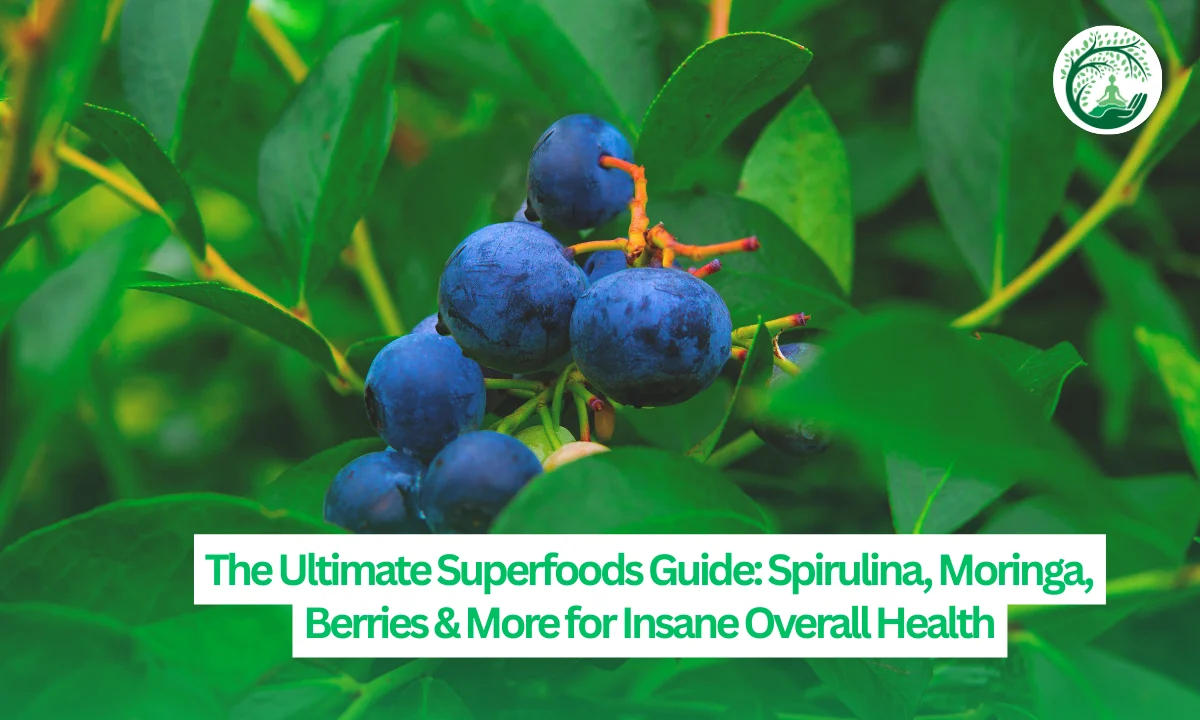
Blueberries are frequently highlighted for their anthocyanin content, a type of antioxidant found in deeply colored fruits. These compounds are widely researched for their role in cellular protection.
Strawberries, raspberries, blackberries, and cherries offer similar nutritional properties. Cherries, particularly tart varieties, are often included in wellness discussions due to their antioxidant profile.
Fatty fish such as salmon, sardines, and tuna are well-known sources of omega-3 fatty acids. These fats are essential nutrients that support general cardiovascular and metabolic health.
Nuts like walnuts and almonds provide plant-based fats, fiber, and vitamin E. Leafy greens such as spinach, kale, and broccoli contribute vitamins, minerals, and naturally occurring compounds studied for wellness support.
Tomatoes contain lycopene, a carotenoid antioxidant. Cooking tomatoes with healthy oils may improve nutrient availability, which is why they are often featured in Mediterranean-style meals.
Turmeric, ginger, garlic, olive oil, avocados, green tea, dark chocolate, beets, grapes, and bell peppers are also commonly mentioned in nutrition literature for their diverse plant compounds and healthy fats.
Eggs and Inflammation: A Balanced View
Eggs provide nutrients such as protein, choline, and vitamin D. Nutrition research suggests that moderate egg consumption can be part of a balanced diet for many people, depending on individual dietary preferences.
As with most foods, moderation and overall dietary pattern matter more than focusing on a single ingredient.
Lifestyle Habits That Support Inflammatory Balance
No single food determines overall health. Balanced eating, regular physical activity, adequate sleep, hydration, and stress management are commonly associated with long-term wellness.
Choosing whole foods, limiting highly processed items, and maintaining consistent daily routines are often emphasized in general nutrition guidance.
Gut Health and Dietary Variety
The digestive system plays an important role in nutrient absorption. Fermented foods, fiber-rich plants, and adequate hydration are commonly included in diets focused on digestive balance.
Individual tolerance varies, so observing how different foods fit into your routine can be helpful.
Building a Sustainable Eating Pattern
A sustainable approach focuses on variety rather than restriction. Including fruits, vegetables, whole grains, healthy fats, and proteins throughout the week supports nutritional diversity.
Mediterranean-style eating patterns are frequently studied due to their emphasis on whole foods, plant diversity, and healthy fats.
Foods Commonly Limited in Wellness-Focused Diets
Highly processed foods, excessive added sugars, and trans fats are often limited in balanced eating approaches. These recommendations are based on general nutritional research rather than medical advice.
Consistency Over Time
Wellness is shaped by long-term habits rather than short-term changes. Small, consistent dietary adjustments are more sustainable and easier to maintain.
TAGS: anti inflammatory foods, balanced nutrition, healthy eating habits, omega 3 sources, antioxidant rich foods, Mediterranean diet
Related Posts :




Share This Post