Getting In Shape After 50: 3 Exercises That Support Healthy Aging And Longevity
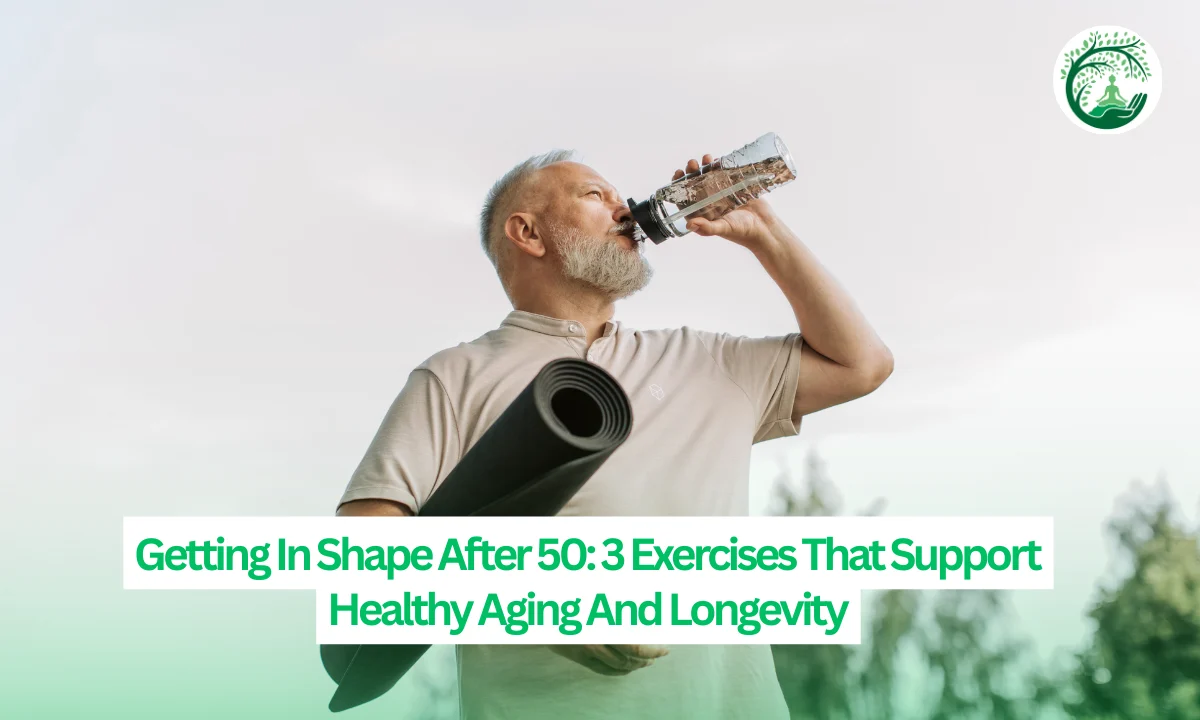
Getting In Shape After 50: 3 Exercises That Support Healthy Aging And Longevity
Getting in shape after 50 is no longer about chasing a younger look. For many people, it is about staying strong, independent, and confident in daily life. The idea of “reverse aging” appears often in fitness headlines, but what most people really mean is slowing down age related decline.
This includes muscle loss, reduced balance, lower bone density, and limited mobility. The good news is that research and real world experience both show that the body can still adapt well after 50 when the right type of exercise is used.
Fitness trends from 2025 and early 2026 show a clear shift toward longevity focused training. Strength, balance, and functional movement now matter more than extreme workouts or rapid weight loss. People want exercises that protect joints, reduce fall risk, and make everyday actions easier. Simple compound movements done consistently are becoming the foundation of active aging programs.
Key Takeaways
- Getting in shape after 50 focuses on strength, balance, and independence rather than appearance
- Muscle loss and reduced mobility can be slowed with consistent resistance training
- A small set of compound exercises can support healthy aging when done safely
- Public opinion strongly supports strength training as the most valuable habit after 50
- Progress, proper form, and recovery matter more than intensity
Why Exercise Matters More After 50?
As the body ages, muscle mass naturally declines in a process known as sarcopenia. Bone density can also decrease, which raises the risk of fractures. Balance and coordination often weaken, making falls more likely. These changes do not happen overnight, but they add up over time if the body is not challenged.
Exercise works as a signal to the body to maintain strength and function. Resistance training helps muscles stay active. Weight bearing movements support bone health. Balance focused exercises improve stability and confidence. When combined, these effects support what many people describe as feeling younger in daily life.
Experts now agree that aging does not mean avoiding effort. It means choosing movements that give the highest return with the lowest risk. That is where a small number of well chosen exercises can make a real difference.
Also Read: I Work 9 To 9, Living On Snacks And Coffee With Zero Steps. How Do I Stay Fit And Eat healthy?
The Meaning Behind “Reverse Aging” In Fitness
The phrase “reverse aging” can sound misleading if taken literally. Exercise does not stop time or guarantee specific outcomes. What it can do is improve markers that usually decline with age. These include strength, mobility, cardiovascular efficiency, and energy levels.
Studies show that people in their 60s and even 70s can gain muscle and improve balance with proper training. This is why many professionals now frame exercise as a tool for healthy aging rather than anti aging promises. The goal is to move better, recover faster, and stay independent for longer.
The 3 Exercises That Support Healthy Aging After 50
Many programs highlight long lists of movements. In reality, a short list of compound exercises often delivers better results. The following three exercises are widely recommended because they train large muscle groups and support real life movement patterns.
Squats For Lower Body Strength And Independence
Squats are one of the most valuable movements after 50. They strengthen the muscles used to sit, stand, climb stairs, and maintain balance. These muscles include the glutes, quadriceps, and hamstrings. Squats also place healthy stress on bones, which supports bone density over time.
Bodyweight squats or sit to stand squats are good starting points. A chair can be used for support and safety. As strength improves, light weights can be added gradually.
Benefits include:
- Improved leg strength
- Better balance and coordination
- Support for daily activities
Hip Hinges And Glute Bridges For Posture And Back Support
Hip hinge movements target the posterior chain, which includes the glutes, hamstrings, and lower back muscles. These areas often weaken with age and long periods of sitting. Weak posterior muscles can affect posture and increase discomfort.
Glute bridges are a simple and effective option. They can be done on the floor and adjusted easily. For those with experience, light deadlift variations may also be used under guidance.
Benefits include:
- Stronger hips and lower back support
- Improved posture
- Reduced strain during bending and lifting
Push Ups Or Rows For Upper Body And Core Strength
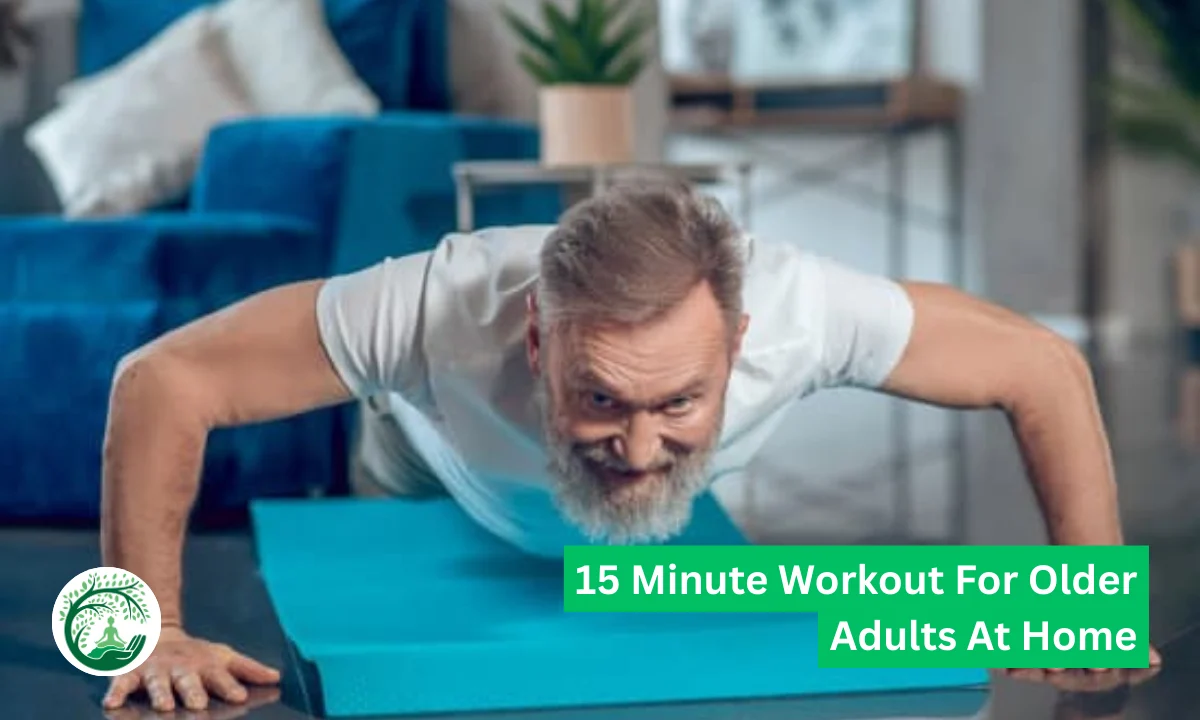
Upper body strength often declines faster than people expect. Push ups and rowing movements help maintain strength in the arms, shoulders, chest, and upper back. They also engage the core, which supports balance and posture.
Wall push ups or incline push ups make the movement accessible. Resistance bands or light dumbbells work well for rowing movements.
Benefits include:
- Better shoulder and arm strength
- Improved posture
- Core engagement for stability
How These Exercises Work Together?
Each of these exercises targets a different part of the body, but they also support each other. Squats build a stable lower body. Hip hinges strengthen the muscles that protect the spine. Push ups and rows support the upper body and posture. Together, they cover most major movement needs.
Below is a simple comparison table showing what each exercise supports.
| Exercise Type | Primary Focus | Daily Life Benefit |
|---|---|---|
| Squats | Legs and balance | Standing, stairs, mobility |
| Hip hinges or glute bridges | Hips and back | Lifting, posture, stability |
| Push ups or rows | Upper body and core | Carrying, posture, control |
Public Opinion On Getting In Shape After 50
(Data Taken From X) Public discussions across social platforms show strong optimism around fitness after 50. Many people share stories of feeling stronger and more capable than expected. Strength training is often described as the most effective habit for aging well.
Common themes from public conversations include:
- Muscle matters more than scale weight after 50
- Three to four strength sessions per week feel sustainable
- Mixing strength with walking or yoga improves recovery
- Consistency beats extreme routines
There is also a clear pushback against the idea that aging means decline. Many people highlight that staying active makes everyday life easier and more enjoyable. Injury concerns are present, but most agree that proper form and gradual progress reduce risk.
How Often Should These Exercises Be Done
For most people over 50, two to three sessions per week is a realistic starting point. Each session can include all three exercises with controlled repetitions. Rest days allow recovery and adaptation.
A simple weekly structure may look like this:
- Two or three non consecutive workout days
- One or two sets per exercise at first
- Slow and controlled movement
As strength improves, volume can increase gradually.
Safety And Recovery Considerations
Safety becomes more important with age, but it does not mean avoiding effort. Warm ups, controlled movement, and proper breathing reduce strain. Listening to joint feedback matters more than pushing through discomfort.
Recovery habits such as sleep, hydration, and light movement on rest days also support progress. Stretching and mobility work can help maintain range of motion.
Final Thoughts On Healthy Aging Through Exercise
Getting in shape after 50 is achievable and rewarding. The focus shifts from short term results to long term quality of life. Simple exercises done consistently can support strength, balance, and confidence.
Rather than chasing promises, the real value lies in building habits that keep the body capable. Over time, these habits often lead to better energy, mobility, and resilience. That is what healthy aging looks like in practice.
Tags: getting in shape after 50, exercises for healthy aging, strength training after 50, longevity fitness, sarcopenia prevention, functional exercise, active aging
Related Posts :


Share This Post