Mediterranean Food: Simple Guide to Healthy Eating and Better Living
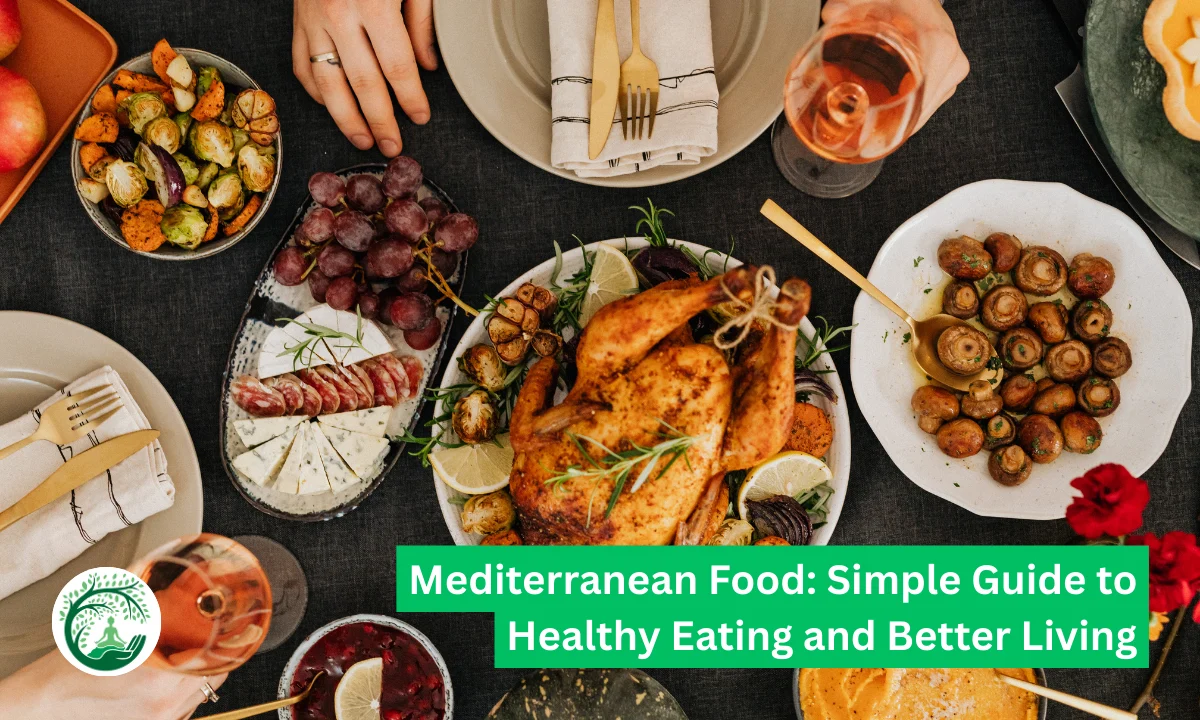
Mediterranean Food: Simple Guide to Healthy Eating and Better Living
Mediterranean food has become popular worldwide not just for taste but for health benefits too. This eating pattern focuses on fresh ingredients like vegetables, olive oil and fish that people from Greece, Italy and Spain have enjoyed for generations.
The approach is simple and helps reduce risks of heart disease, diabetes and other health problems while keeping meals delicious and satisfying.
What makes Mediterranean food special is the balance between flavor and nutrition. You get to eat real food without counting calories or following strict rules.
The diet includes plenty of colorful vegetables, aromatic herbs, quality proteins and good fats from olive oil and nuts. Studies show people who follow this way of eating live longer and have better overall health. The best part is you can start with small changes in your daily routine and still see big improvements in how you feel.
The Mediterranean approach is more than just food choices. It brings together mindful eating, sharing meals with family and friends, and enjoying each bite without rushing.
This lifestyle has helped millions of people improve their health naturally. Whether you want to lose weight, support heart health or simply feel more energetic, Mediterranean food offers a proven path forward that feels good and tastes even better.
Key Takeaways
- Mediterranean food emphasizes whole plant foods, healthy fats from olive oil, fish, and moderate amounts of dairy
- This eating pattern reduces risk of heart disease, diabetes, and supports brain health and longevity
- Core foods include vegetables, fruits, whole grains, legumes, nuts, fish and extra virgin olive oil
- Red meat, processed foods and sugary items should be limited or eaten occasionally
- The approach focuses on adding good foods rather than restricting, making it sustainable long term
- Social eating and mindful meals are important parts of Mediterranean lifestyle
Also Read: Iron Rich Foods: Best Sources to Boost Your Energy and Health
What Mediterranean Food Really Means
Mediterranean food comes from countries around the Mediterranean Sea like Greece, Italy, southern France, Spain and parts of North Africa.
Researchers noticed in the 1960s that people in these regions had low rates of heart disease and lived longer than those eating typical Western diets. The secret was in their daily food choices and eating habits that naturally protected health.
The pattern centers on seasonal and fresh ingredients that are minimally processed. Unlike modern diets full of packaged snacks and fast food, Mediterranean eating relies on foods straight from farms and markets.
Tomatoes, leafy greens, eggplant, beans, lentils, fish, olive oil and whole grains form the foundation. These foods provide fiber, vitamins, minerals and healthy fats that your body needs to function well.
What sets Mediterranean food apart from Western eating is the type of fats used. Instead of butter, margarine or processed oils, people use extra virgin olive oil for cooking and dressing salads. Fish rich in omega 3 fatty acids replace red meat as the main protein several times per week.
Nuts and seeds add crunch and nutrition to meals and snacks. This swap from saturated fats to unsaturated ones makes a huge difference for cholesterol levels and heart health.
Health Benefits That Actually Matter
Research shows Mediterranean food delivers real health improvements. People following this eating pattern have lower blood pressure and better cholesterol numbers.
The combination of fiber rich foods, healthy fats and antioxidants from vegetables and fruits works together to protect your cardiovascular system. Studies found up to 31 percent lower risk of developing type 2 diabetes when combined with regular physical activity.
Brain health gets a boost too. The omega 3 fats from fish along with antioxidants help improve memory and focus.
Some research suggests this diet may even reduce risk of cognitive decline and Alzheimers disease as you age. The anti inflammatory properties of Mediterranean foods help your whole body work better and can lower depression risk by up to 40 percent according to recent studies.
Weight management becomes easier without feeling deprived. The high fiber content from vegetables, legumes and whole grains helps you feel full longer.
Healthy fats from olive oil and nuts provide satisfaction so you are less likely to overeat or crave junk food. Many people find they naturally lose weight and maintain it better compared to restrictive diets that cut out entire food groups.
Foods to Fill Your Plate With
Your shopping list should focus on vegetables and fruits first. Aim for colorful variety including tomatoes, bell peppers, leafy greens like spinach and kale, eggplant, zucchini, broccoli, carrots and cauliflower. Fresh fruits such as oranges, apples, berries, figs and grapes make great snacks and desserts. The more colors on your plate the better range of nutrients you get.
Legumes and beans deserve a starring role. Lentils, chickpeas, black beans, white beans and split peas are budget friendly protein sources packed with fiber. They work great in soups, salads, dips like hummus, or as side dishes. Whole grains such as brown rice, quinoa, whole wheat bread, whole wheat pasta, bulgur and farro provide lasting energy and important B vitamins.
Fish and seafood should appear on your menu at least twice weekly. Fatty fish like salmon, sardines, mackerel and tuna give you omega 3 fatty acids that protect heart and brain health. Other seafood like shrimp, mussels and white fish add variety. Poultry and eggs can be eaten in moderation a few times per week. Small amounts of cheese and yogurt add calcium and protein without overdoing saturated fat.
Extra virgin olive oil is your primary fat source for cooking and flavoring. Use it to saute vegetables, dress salads, or drizzle over finished dishes. Nuts and seeds including almonds, walnuts, sunflower seeds and pumpkin seeds make perfect snacks or salad toppings. Herbs and spices like basil, oregano, garlic, rosemary and thyme add tons of flavor without extra calories or sodium.
What to Limit or Skip
Red meat should be occasional not regular. Think of it as something you might have once a week or even less rather than daily. When you do eat it, choose lean cuts and smaller portions. Processed meats like bacon, sausages, hot dogs and deli meats are best avoided completely due to high sodium and preservatives that increase health risks.
Refined grains and sugary foods work against your health goals. White bread, white rice, pastries, cookies, candy and sweetened drinks spike blood sugar and provide empty calories. These processed foods lack the fiber and nutrients found in whole food versions. Replace them with whole grain alternatives and save sweet treats for special occasions only.
Highly processed packaged foods usually contain too much salt, sugar and unhealthy fats. Instant soups, frozen meals, chips and similar convenience items might save time but cost your health. Reading ingredient labels helps you spot hidden sugars, sodium and artificial additives. The more ingredients you cannot pronounce, the more processed the food likely is.
Butter, cream and coconut oil are high in saturated fats that raise bad cholesterol. Swap these for olive oil or other plant based oils. Full fat dairy should be limited to small amounts. Choose low fat or moderate portions of cheese and yogurt instead of making them daily staples. These simple swaps reduce saturated fat intake significantly without sacrificing satisfaction.
Getting Started Without Stress
Start small by adding one Mediterranean element to meals you already eat. Put olive oil on your salad instead of ranch dressing. Add a serving of vegetables to dinner. Have fruit instead of cookies for dessert. These tiny changes add up over time and feel manageable rather than overwhelming.
Replace refined grains gradually. If you love white rice, try mixing half brown rice with half white at first. Switch to whole wheat bread one loaf at a time. Your taste buds will adjust and soon whole grains will taste normal and satisfying. The extra fiber helps digestion and keeps you full between meals.
Plan one or two fish meals each week. Grilled salmon, baked cod or shrimp pasta are simple starting points. Canned tuna or sardines work great for quick lunches. If fish is new to you, start with milder flavored options and work up to stronger tasting varieties. The health benefits are worth trying different preparations until you find ones you enjoy.
Build a spice collection slowly. Fresh or dried herbs transform simple vegetables into restaurant quality dishes. Garlic, basil, oregano, rosemary and parsley are versatile basics. Experiment with one new herb or spice each week. This makes cooking more interesting and reduces need for salt and heavy sauces.
Why This Way of Eating Lasts
Mediterranean food does not feel like dieting because nothing is completely off limits. The focus is on adding nutritious foods rather than restricting yourself. This positive approach makes it easier to stick with long term compared to plans that eliminate entire food groups or require constant willpower.
The food actually tastes good which matters more than people realize. Olive oil, fresh herbs, ripe tomatoes, quality cheese and perfectly grilled fish deliver real flavor satisfaction. When meals taste this good, you look forward to eating healthy rather than viewing it as punishment. Family and friends can eat the same meals which removes the stress of cooking separate food.
Budget concerns often stop people from eating well but Mediterranean staples are affordable. Beans, lentils, seasonal vegetables, whole grains and eggs cost less than processed foods and restaurant meals. Buying what is in season and shopping at farmers markets or regular grocery stores keeps costs reasonable. You invest in your health now rather than paying medical bills later.
Cultural flexibility allows you to adapt recipes to your preferences and available ingredients. You do not need to eat Greek food every day or follow rigid meal plans. The principles work with Asian, Latin American or any cuisine by emphasizing vegetables, healthy fats, whole grains and lean proteins. This adaptability helps the Mediterranean approach fit into any lifestyle.
Making Mediterranean Food Your Own
Every family and individual can personalize this eating pattern. Vegetarians skip the fish and eat more legumes, nuts and plant proteins. Those avoiding dairy find plenty of options since the diet is not dairy dependent. People with food allergies can substitute ingredients while keeping the core principles intact.
Portion sizes matter for weight goals but the diet does not require measuring everything. Using smaller plates, eating slowly and stopping when satisfied helps naturally control portions. The high fiber and healthy fat content means you feel full on less food compared to processed meals that leave you hungry soon after eating.
Meal prep on weekends makes weeknight cooking faster. Chop vegetables, cook a big batch of beans or grains, grill chicken or fish ahead. Having components ready speeds up assembly on busy nights. Simple Mediterranean meals like vegetable soup, grain bowls or fish with roasted vegetables come together quickly with a little planning.
Social eating brings joy that extends beyond nutrition. Sharing meals with others, taking time to enjoy food without rushing, and appreciating where ingredients come from connects you to the Mediterranean lifestyle. Turn off screens during meals, use real plates not paper, and make dinner a pleasant daily ritual rather than just fuel.
Real Results People Experience
Weight loss happens naturally for many people without strict calorie counting. The combination of filling fiber, satisfying healthy fats and quality proteins means you eat less overall while feeling more satisfied. People report losing stubborn weight that would not budge on other diets. The key is consistency over time rather than quick fixes.
Energy levels improve within weeks of switching to Mediterranean eating. The steady blood sugar from whole grains and fiber prevents afternoon crashes. Better sleep quality from reduced inflammation helps you wake up refreshed. Physical activity becomes easier when you fuel your body properly with nutrient dense foods.
Cholesterol numbers and blood pressure often drop significantly. Doctors reduce medication needs for some patients who stick with Mediterranean eating combined with exercise. Inflammation markers in blood tests show improvement. These measurable health changes motivate people to continue because they can see proof the approach works.
Mental clarity and mood get better too. The omega 3 fats support brain function while anti inflammatory foods help reduce anxiety and depression symptoms. People feel more positive and cope better with stress. The act of preparing and enjoying quality food becomes a form of self care that supports emotional wellbeing.
Conclusion
Mediterranean food offers a proven path to better health through delicious real food and enjoyable eating habits. The research backing this approach spans decades and shows consistent benefits for heart health, weight management, diabetes prevention, brain function and longevity. Unlike fad diets that come and go, Mediterranean eating has stood the test of time because it works and people can sustain it for life.
You do not need to be perfect or give up all your favorite foods. Small consistent changes like using olive oil, eating more vegetables, choosing fish over red meat and enjoying meals mindfully create meaningful health improvements.
The flexibility and great taste make this way of eating realistic even for busy people with families. Start with one change this week and build from there. Your body will thank you for choosing Mediterranean food.
Related Posts :



Share This Post