How Stress Hormones Affect Fat Storage: The Real Science Behind Belly Fat
How Stress Hormones Affect Fat Storage
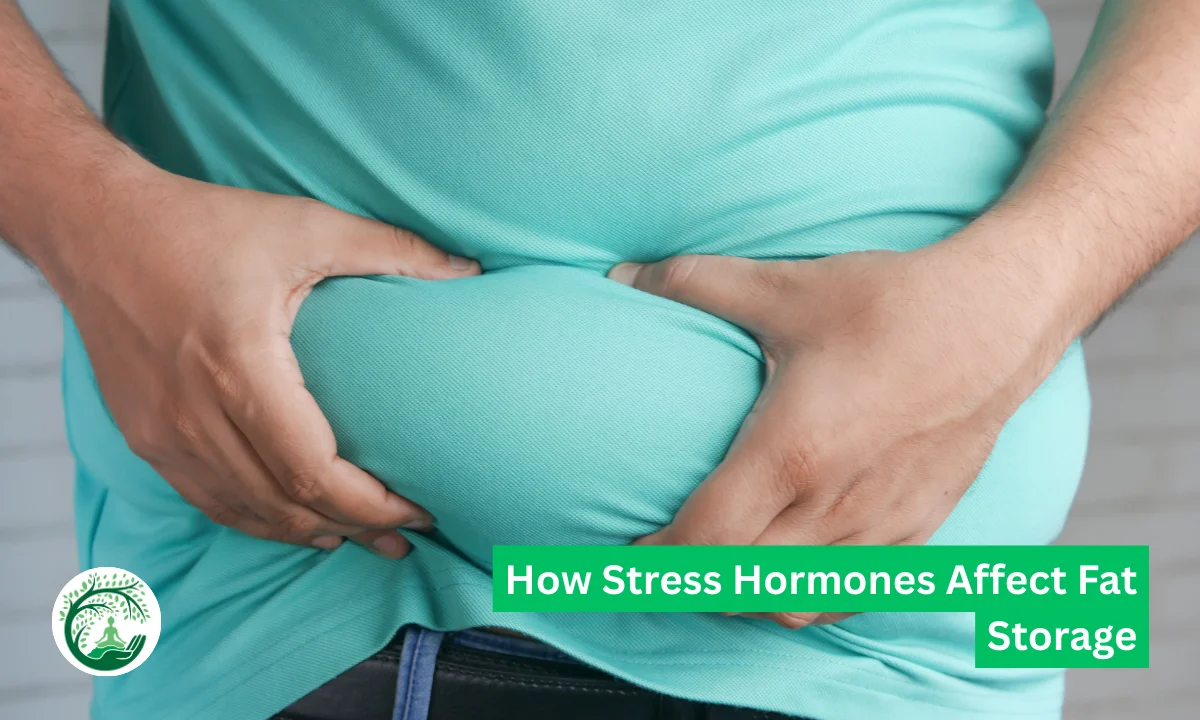
How stress hormones affect fat storage is something that 78% of people now believe is the number one reason their diets fail. If you are struggling with belly fat despite eating right and working out, your stress hormones might be the hidden culprit. The cortisol hormone which your body releases during stress has become known as the fat storage hormone in 2025.
When you feel stressed your body goes into survival mode. This triggers a chain reaction that can make you gain weight even when you are trying to lose it. Let us break down exactly what happens inside your body and how you can fix it.
Key Takeaways
- Cortisol directly increases abdominal fat storage by 300 to 400 percent through increased enzyme activity
- Chronic stress disrupts sleep patterns which raises next day cortisol by 17 percent
- Evening cortisol spikes from late workouts cause belly bloat the next morning
- Simple supplements like ashwagandha can reduce waist size by 4.2 cm in 8 weeks
- Morning sunlight and cutting afternoon caffeine are showing massive real world results
- The high cortisol body type shows apple shape with thin legs and lower belly fat
Also Read: Understanding Body Composition vs. Weight on Scale
Understanding Cortisol and Your Body
Cortisol is made by your adrenal glands when you face stress. Think of it as your body alarm system. When something stressful happens your brain signals these glands to pump out cortisol. This hormone then tells your body to get ready for action.
In short bursts cortisol is actually helpful. It gives you energy when you need it most. The problem starts when stress never stops. Your body keeps making cortisol day after day and this is where fat storage begins.
The way cortisol works is pretty simple. It makes your blood sugar go up so you have quick energy. It also breaks down your muscles to create more sugar. At the same time it slows down your metabolism and tells your body to save every calorie it can.
Why Stress Makes You Store Belly Fat
Your body stores fat in specific places when cortisol stays high. The most common spot is your belly and lower abdomen. Scientists have found that cortisol activates special enzymes called lipoprotein lipase in your stomach area. These enzymes work like fat magnets pulling fat cells to your midsection.
Yale researchers discovered something shocking in 2024. People with chronic stress have 300 to 400 percent more visceral fat around their organs. This is the dangerous type of fat that causes health problems.
Women aged 30 to 45 are posting side by side photos showing high cortisol body versus low cortisol body. The difference is clear. High cortisol creates an apple shape with a big stomach and thin legs. Low cortisol bodies look more balanced even at higher weights.
The Sleep Connection Nobody Talks About
Sleep is huge when it comes to cortisol and fat storage. A Stanford study from November 2025 found that every hour of lost sleep raises your cortisol by 17 percent the next day. This extra cortisol then increases fat storage in your lower belly by 22 percent.
When you do not sleep enough your body thinks something is wrong. It assumes you need to stay awake to survive some threat. So it keeps cortisol high and makes you hungrier for quick energy foods like sugar and carbs.
Most adults need 7 to 8 hours of sleep each night. Getting less than this creates a vicious cycle. High cortisol makes it harder to fall asleep. Poor sleep then makes cortisol even higher the next day.
How Cortisol Changes Your Appetite
Cortisol does not just tell your body where to store fat. It also controls what you want to eat. When stress hormones spike your brain starts craving comfort foods that are high in sugar and fat. This is not a willpower problem. It is pure biology.
Your body releases a chemical called neuropeptide Y when cortisol goes up. This peptide makes you want to eat more and specifically want fatty sugary foods. At the same time cortisol messes with two other hormones called leptin and ghrelin.
Leptin tells your brain you are full. Ghrelin makes you feel hungry. Chronic stress makes your body resist leptin so you never feel satisfied. It also increases ghrelin which keeps you feeling hungry even after eating.
The Muscle Loss Problem
One of the worst things cortisol does is break down your muscles. Your body sees muscle as an emergency energy source. When cortisol stays high for too long it starts converting your muscle tissue into sugar.
This is bad for two reasons. First muscles burn calories even when you are resting. Less muscle means slower metabolism. Second when you lose muscle your body gets weaker and you feel more tired. This makes exercise harder which leads to even more fat storage.
People with chronic stress often notice they lose muscle definition even when working out regularly. They might see the scale stay the same but their body composition gets worse. More fat and less muscle is the cortisol effect in action.
What Actually Works to Lower Cortisol
The good news is you can fix this. Real people are sharing protocols that work right now in late 2025. Here is what is getting massive results based on hundreds of before and after posts.
Take 500 to 600 mg of ashwagandha KSM 66 at night. A Japanese study from 2025 showed this reduced waist size by 4.2 cm in 8 weeks with zero diet changes. People are calling this the number one cortisol supplement.
Cut all caffeine after 11 am. Thousands of posts say they lost 7 pounds of pure stomach fat in 3 weeks just by doing this. Afternoon coffee keeps cortisol elevated into the evening which ruins your sleep.
Get 10 minutes of morning sunlight right after waking up. Walk outside barefoot if possible. This resets your cortisol rhythm so it is high in the morning when you need energy and low at night for sleep.
Take 400 mg of magnesium glycinate before bed. This mineral helps calm your nervous system and supports healthy cortisol levels. Add 3 grams of glycine powder too for even better sleep.
Stop working out after 4 pm if you can. Evening exercise spikes cortisol at the wrong time. If you must train late take 400 mg of phosphatidylserine after your workout. People report this stops next day belly bloat.
The Food Timing Secret
When you eat matters as much as what you eat for cortisol control. The hottest trend right now is eating most of your carbs at dinner. This sounds backwards but it works because carbs at night help lower cortisol.
Your body naturally wants cortisol to drop in the evening so you can sleep. Eating potatoes rice or sweet potatoes with dinner supports this natural rhythm. Many people are shocked to find they lose belly fat faster when they eat carbs at night instead of morning.
Focus on whole real foods during the day. Processed foods and sugar cause blood sugar crashes which spike cortisol. Stick to proteins vegetables and healthy fats until dinner. Then add your starchy carbs.
Stress Management That Actually Helps
You cannot just supplement your way out of chronic stress. You need to address the root cause. But stress management does not have to be complicated.
Start with breathing. Take 5 deep breaths whenever you feel stressed. Breathe in for 4 counts hold for 4 and out for 6. This simple practice tells your nervous system to calm down and stop making cortisol.
Try a 10 minute walk after meals. This helps regulate blood sugar which keeps cortisol stable. It also gives you mental space to decompress from whatever was stressing you.
Consider therapy or counseling if stress comes from deeper issues. Chronic stress from relationships work or past trauma needs professional help. There is no shame in getting support.
The Cold Plunge Trend
Cold exposure is exploding in popularity for cortisol management. People are doing cold showers or ice baths and posting dramatic before and after body transformations. The theory is that brief cold stress trains your body to handle stress better overall.
When you get in cold water your cortisol spikes for a few minutes. But over time regular cold exposure makes your baseline cortisol lower. Your stress response becomes more efficient. You get less cortisol from normal daily stress.
Start with 30 seconds of cold water at the end of your shower. Work up to 2 to 3 minutes over a few weeks. Do this in the morning to pair with your sunlight exposure for maximum cortisol regulation.
Why Some Diets Fail With High Cortisol
If your cortisol is sky high most diets will backfire. Extreme calorie restriction is seen as stress by your body. This raises cortisol even more which increases fat storage and muscle loss.
Intermittent fasting is controversial right now. Some say it lowers cortisol others say it raises it. The truth depends on how stressed you already are. If you have high cortisol from lack of sleep or emotional stress adding fasting stress might make things worse.
The best approach when cortisol is high is gentle. Eat enough food focus on sleep and stress management first. Once your cortisol normalizes you can try more aggressive diet strategies if needed.
What High Cortisol Looks Like
Learn to recognize the signs of elevated stress hormones. The most obvious one is unexplained weight gain especially around your middle. But there are other clues too.
You might have trouble falling asleep or wake up at 3 am and cannot get back to sleep. Your face might look puffy or rounder. Some people call this moon face or cortisol face. You could have intense sugar cravings especially in the afternoon.
Energy crashes are common with high cortisol. You wake up tired even after sleeping. Then you feel wired at night when you should be winding down. Your body clock is basically backwards.
The Truth About Cortisol Blockers
Many supplements claim to block cortisol but most do not work well. The ones with real science behind them include ashwagandha phosphatidylserine rhodiola rosea and l theanine from green tea.
Ashwagandha is the gold standard. Multiple studies show it can lower cortisol by 28 percent. People report feeling calmer sleeping better and losing belly fat without trying.
Phosphatidylserine works mainly for exercise induced cortisol spikes. If you train hard take 400 mg afterward to prevent excess cortisol from ruining your recovery and sleep.
Rhodiola rosea is good for mental stress. It helps your brain handle pressure better so you make less cortisol in the first place. Take 200 to 400 mg in the morning.
L theanine creates calm focus without drowsiness. It is perfect for stressful workdays. Take 200 mg as needed or drink high quality green tea.
Making It All Work Together
The secret to beating cortisol related fat storage is combining multiple strategies. No single thing will fix it. You need to attack the problem from several angles.
Start with your sleep. This is non negotiable. Get 7 to 8 hours in a dark cool room. Take magnesium and glycine if needed. Cut screen time an hour before bed.
Add morning sunlight and evening carbs to regulate your cortisol rhythm. Take ashwagandha at night for extra support. Cut caffeine after lunch.
Manage stress through walks breathing exercises or whatever works for you. Exercise regularly but not too late in the day. Eat real whole foods and avoid processed junk.
Give it 8 to 12 weeks to see real changes. Your body needs time to heal from chronic stress. But when everything clicks you will notice your belly getting flatter your energy improving and your mood lifting. That is the sign your cortisol is finally under control.
Related Posts :
Share This Post