Fat Loss for Women Over 30: Hormones, Metabolism & More
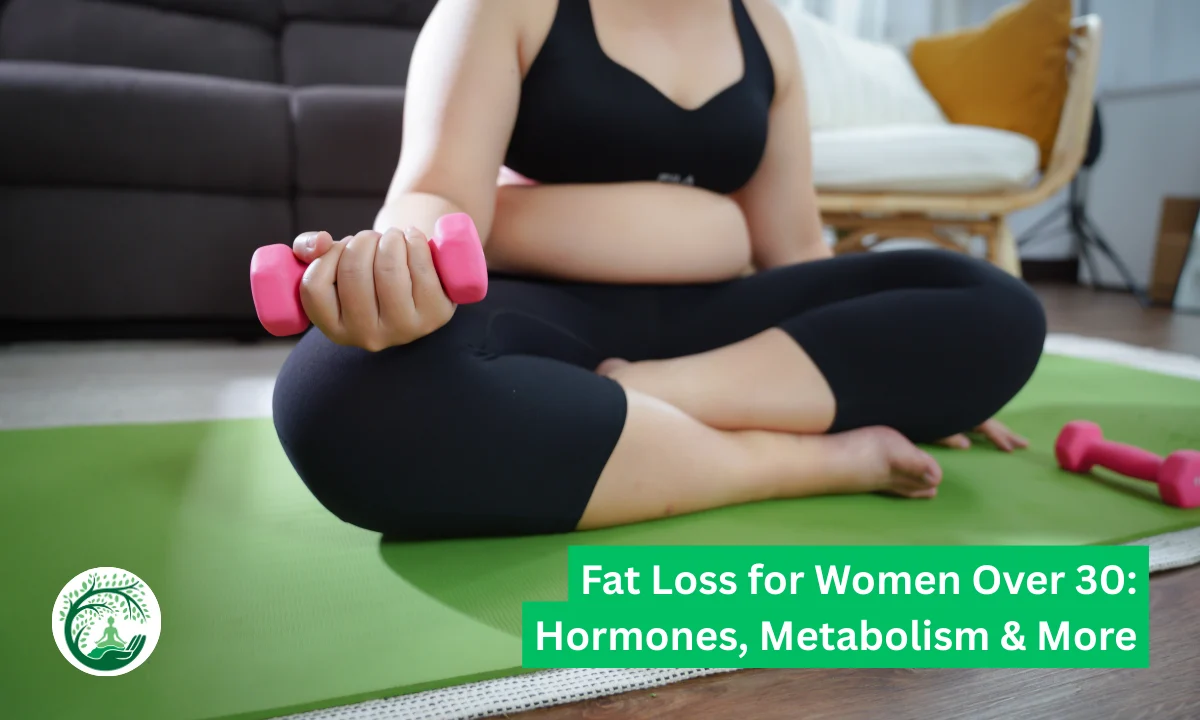
Fat Loss for Women Over 30: Hormones, Metabolism & More
Fat loss for women over 30 becomes more challenging as the body undergoes significant hormonal and metabolic changes. Women in their 30s often notice that weight management strategies that worked in their 20s no longer deliver the same results.
This shift is not about willpower or motivation but rather rooted in biological changes that affect how the body stores and burns fat. As estrogen levels begin to decline and metabolism naturally slows down, fat storage patterns change, often favoring the abdominal area over hips and thighs. Understanding these hormonal shifts and their impact on metabolism is the first step toward successful fat loss.
Key Takeaways
- Women over 30 experience a metabolic slowdown of 3-8% per decade due to declining estrogen, progesterone, and muscle mass
- Hormonal changes shift fat storage from hips and thighs to the abdomen, increasing visceral fat and health risks
- Protein intake of 90-100 grams daily helps preserve muscle mass and boosts metabolism during fat loss
- Strength training at least twice weekly combats age-related muscle loss and increases calorie burn at rest
- Sustainable fat loss requires hormone-aware strategies over quick fixes, focusing on whole foods and stress management
- Natural metabolic healing through reverse dieting and balanced nutrition shows better long-term results than restrictive diets
Also Read: Morning Rituals for Productivity, Energy & Mood
Understanding the Metabolic Shift After 30
Women over 30 face what experts call a metabolic cliff. This happens as hormone production begins to decline, even before perimenopause officially starts. The changes are subtle at first but become more pronounced as women approach their mid-30s and beyond. Estrogen and progesterone levels start dropping, which triggers a cascade of metabolic effects throughout the body.
The most noticeable change involves where fat gets stored. Before 30, most women store excess fat in their hips and thighs. After 30, declining estrogen redirects fat storage to the abdominal area. This visceral fat is not just cosmetic, it poses serious health risks including insulin resistance, high blood pressure, and metabolic syndrome. Studies show that women experiencing earlier estrogen decline face a 25% higher risk of metabolic dysfunction.
Muscle mass loss compounds these challenges. Starting in the 30s, women lose about 3-5% of muscle mass per decade if they remain inactive. Since muscle tissue burns more calories than fat tissue, this loss directly slows metabolism. The combination of hormonal shifts and muscle loss means women need fewer calories to maintain the same weight, making fat gain easier and fat loss harder.
The Role of Hormones in Weight Management
Hormones act as the steering wheel for weight management while calories serve as fuel. When hormones fall out of balance, even perfect calorie control may not produce expected results. Estrogen decline affects hunger signals by elevating ghrelin, the hormone that triggers appetite. This explains why many women over 30 feel hungrier than before despite eating the same amount.
Progesterone reduction impacts insulin sensitivity, making it harder for cells to respond to insulin properly. This creates a cycle where the body stores more fat and burns less. Thyroid function also tends to slow with age, affecting 20% of perimenopausal women. Even mild thyroid imbalances can halt fat loss progress completely, causing fatigue and further metabolic slowdown.
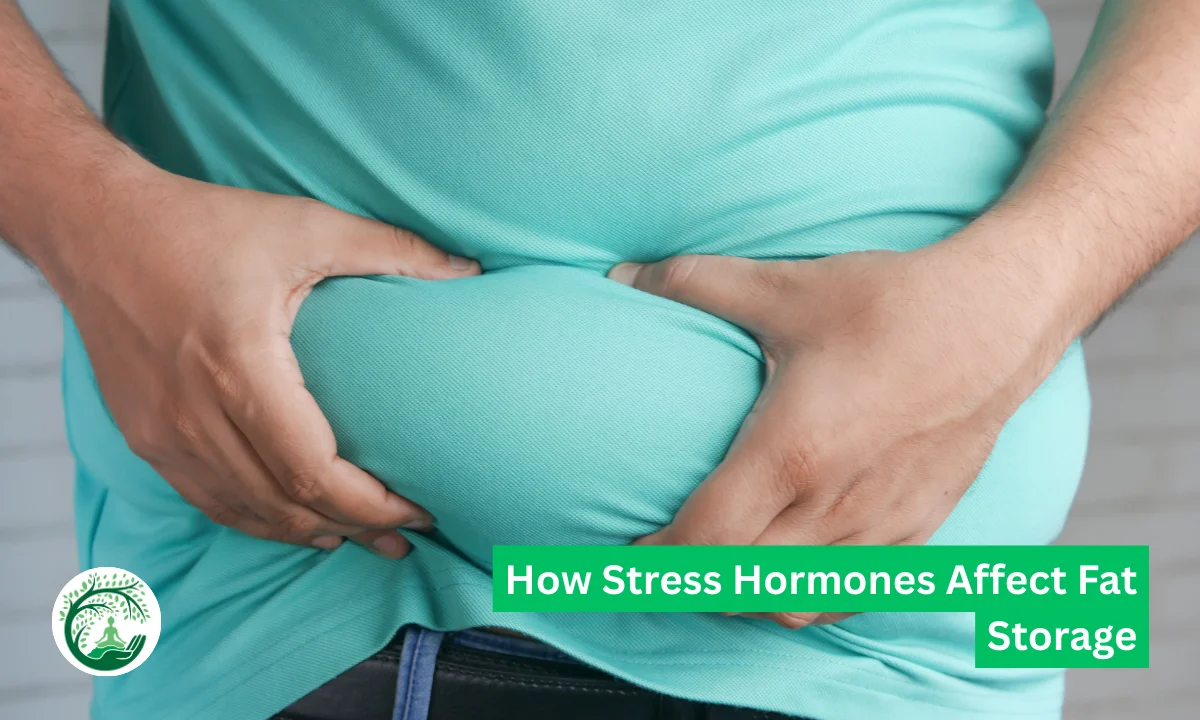
Cortisol, the stress hormone, plays a crucial role in abdominal fat storage. Chronic stress keeps cortisol elevated, which promotes fat storage around the midsection and triggers cravings for high-calorie foods. Women over 30 juggling careers, families, and personal responsibilities often face sustained high cortisol levels. This makes stress management not just helpful but essential for successful fat loss.
Conditions like polycystic ovary syndrome affect between 5-10% of women and make weight management even more challenging. PCOS creates hormonal imbalances that directly interfere with fat loss efforts. Other conditions like hypothyroidism and Cushing’s syndrome, which are more common in women, also complicate weight management through hormonal disruption.
Nutrition Strategies for Effective Fat Loss
Protein becomes increasingly important for women over 30. Consuming 90-100 grams of protein daily helps preserve muscle mass during fat loss. This intake should be spread across meals, with at least 30 grams per meal. Protein-rich breakfasts within an hour of waking help stabilize blood sugar and reduce cravings throughout the day. Good sources include eggs, fish, chicken, nuts, and Greek yogurt.
The quality of carbohydrates and fats matters as much as quantity. Women should focus on whole grains and aim for 25 grams of fiber daily to support gut health and fullness. Healthy fats from olive oil, avocados, and nuts should comprise 20-30% of daily calories. These fats support hormone production and help reduce inflammation. Avoiding processed sugars and refined carbohydrates keeps insulin levels stable and prevents fat storage.
The Mediterranean eating pattern consistently shows superior results for women over 30. This approach emphasizes vegetables, fish, nuts, and olive oil while limiting red meat and processed foods. Research indicates this pattern produces twice the weight loss compared to low-fat diets. The key lies in its anti-inflammatory properties and nutrient density, both crucial for hormone balance.
Reverse dieting has gained attention as a solution for women whose metabolism has slowed from chronic dieting. This approach involves gradually increasing calories before attempting fat loss. Women eating 1200-1400 calories but gaining weight often have suppressed metabolisms from years of restriction. By slowly adding calories over several weeks, the metabolism can recover, making subsequent fat loss more effective and sustainable.
Exercise Approaches That Work
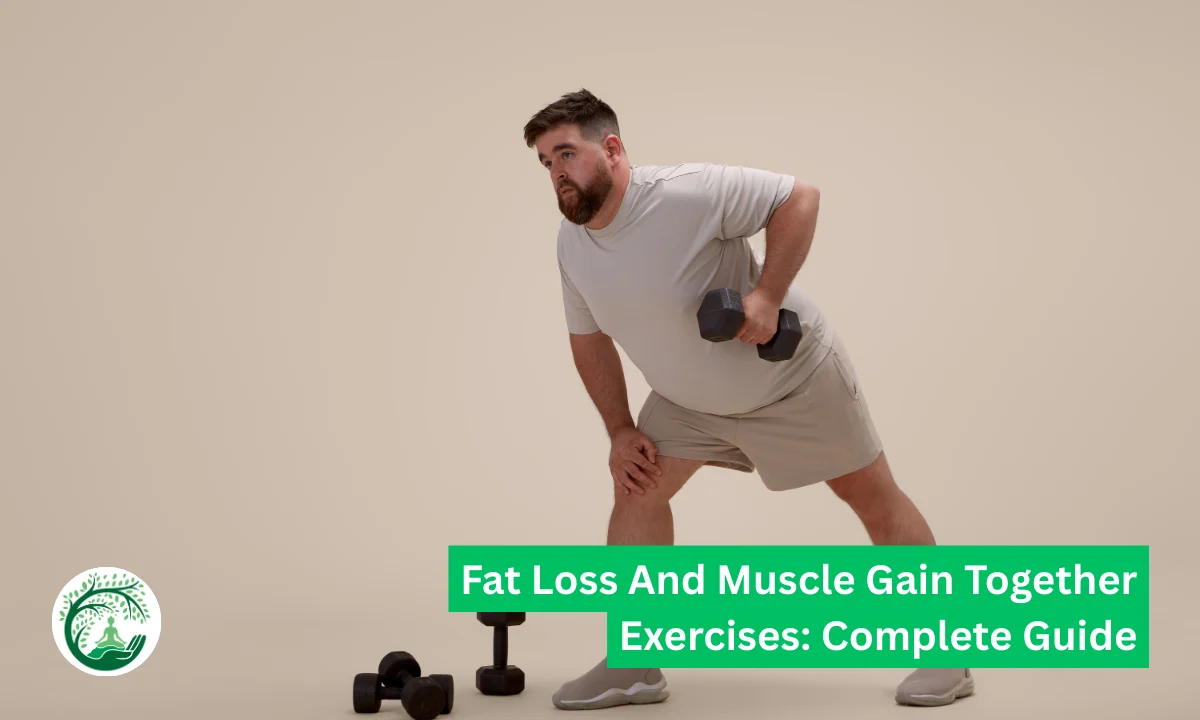
Strength training becomes non-negotiable for women over 30. Building muscle mass directly counters the natural decline that occurs with aging. Resistance training at least twice weekly for 20-30 minutes helps maintain muscle, boost metabolism, and prevent osteoporosis. Women should not fear gaining bulk, as female hormones make significant muscle mass difficult to achieve without specific training protocols.
Various strength training options exist beyond traditional gym weights. Resistance bands offer portable, effective alternatives. Bodyweight exercises like pushups, squats, and lunges require no equipment. Group classes like Pilates provide structured resistance work with community support. The key is consistency and progressive challenge, gradually increasing resistance over time.
Daily movement matters as much as structured exercise. Women who increase daily steps from 1000 to 7000-10000 see significant improvements in fat loss and metabolic health. Walking at a moderate pace of around 3.5 miles per hour proves especially effective for overweight women, showing 20% better initial results than faster paces. This gentle approach reduces inflammation while building sustainable habits.
High-intensity interval training may not suit all women over 30, especially those dealing with high stress or hormone imbalances. Moderate-intensity activities often produce better results by not further elevating cortisol. The goal involves finding enjoyable movement that can be maintained long-term rather than pushing through exercises that feel punishing or unsustainable.
Lifestyle Factors That Support Fat Loss
Sleep quality directly impacts fat loss success. Women need 7-9 hours of quality sleep nightly to support hormone balance and metabolism. Sleep deprivation increases hunger hormones and decreases satiety signals, leading to higher calorie intake. Poor sleep also raises cortisol and reduces insulin sensitivity. Creating consistent sleep schedules and limiting screen time before bed helps optimize this crucial recovery period.
Stress management cannot be overlooked in fat loss efforts. Chronic stress keeps cortisol elevated, promoting abdominal fat storage and muscle breakdown. Women experiencing high stress show 15% slower fat loss even when following proper nutrition and exercise plans. Effective stress reduction techniques include meditation, gentle walks after meals, and setting boundaries around work and personal obligations.
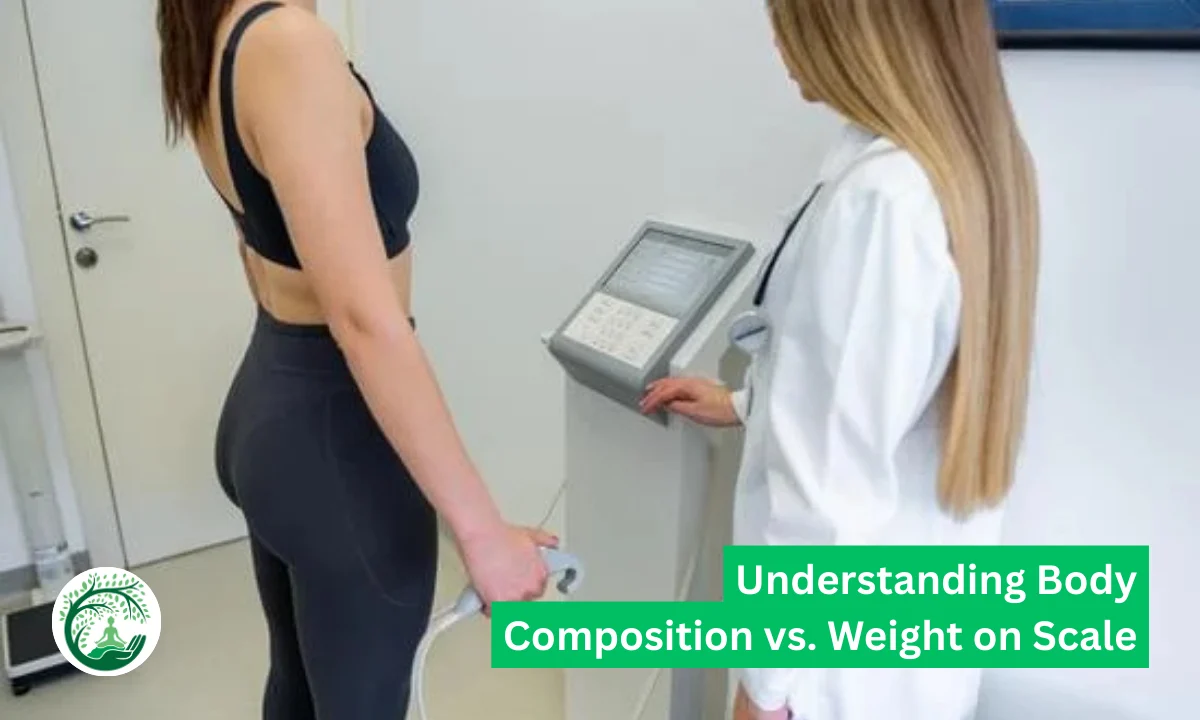
Tracking body composition rather than scale weight provides more accurate progress measures. Women often lose fat while maintaining or even gaining muscle, which means the scale may not reflect actual improvements. Using body composition apps, progress photos, or how clothes fit offers better feedback. This approach helps maintain motivation when the scale does not move despite positive physical changes.
Hormone testing can provide valuable insights for women struggling with fat loss despite proper diet and exercise. Testing thyroid function, estrogen, and progesterone levels helps identify specific imbalances that might require medical intervention. Some women benefit from hormone replacement therapy, which research shows can reduce fat gain by 20-30% when appropriately prescribed and monitored.
Creating Sustainable Long-Term Success
The shift from quick fixes to sustainable habits marks the difference between temporary results and lasting change. Women who lose one to two pounds weekly maintain their results better than those who crash diet. This gradual approach allows the body to adjust metabolically and supports lasting lifestyle changes rather than temporary restrictions that eventually fail.
Working with qualified healthcare professionals makes the journey more effective. Registered dietitians help create personalized nutrition plans that account for individual hormone levels, activity patterns, and health conditions. Therapists can address emotional eating patterns and stress management. This professional support increases success rates by providing accountability and expert guidance tailored to specific needs.
Community support amplifies results through shared experiences and mutual encouragement. Women over 30 benefit from connecting with others facing similar challenges. Online communities, local fitness groups, or accountability partners help maintain motivation during plateaus. Sharing successes and struggles normalizes the difficulties while celebrating progress together.
The message is clear, fat loss for women over 30 requires a hormone-aware, patient approach that honors the body’s natural changes. By focusing on muscle building, proper nutrition, stress management, and adequate sleep, women can achieve sustainable fat loss while improving overall health. Success comes not from fighting the body but from understanding and working with its changing needs.
Tags: fat loss women over 30, hormones and metabolism, weight management after 30, perimenopause weight gain, strength training for women, protein intake women, metabolic health
Related Posts :
Share This Post