Best Yoga Poses to Improve Posture Fast: Transform Your Spine in Weeks
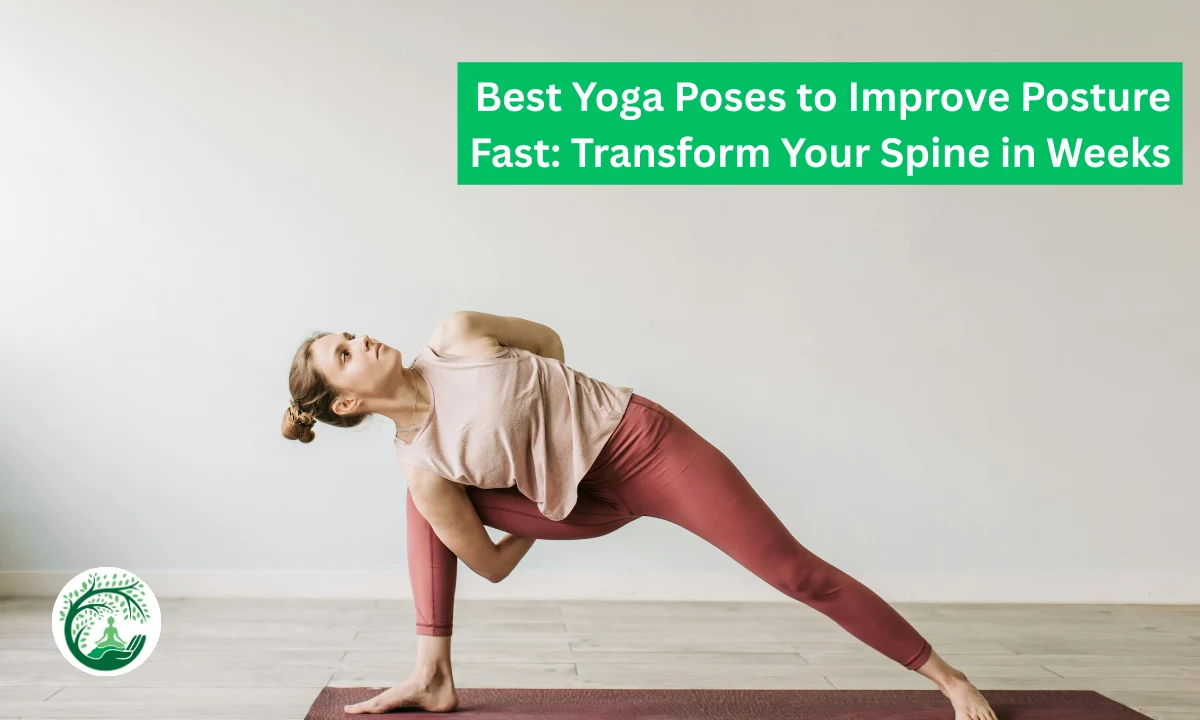
Best Yoga Poses to Improve Posture Fast: Transform Your Spine in Weeks
Best yoga poses to improve posture fast are exactly what you need if you spend hours hunched over your laptop or phone. Poor posture has become a major health concern in 2025 with remote work and desk jobs dominating our lives. The good news is that simple yoga poses can fix your slouch and strengthen your spine in just 10 minutes daily.
These exercises target the core muscles that support your back and open up your chest to counter the forward head position.
You don’t need any fancy equipment or gym membership to get started. Research shows that people who practice these poses regularly notice visible improvements within 1 to 2 weeks. Your body will thank you for taking this step toward better health and confidence.
The poses work by stretching tight muscles and strengthening weak ones to bring your spine back to its natural alignment.
Key Takeaways
- Practice yoga poses daily for 5 to 10 minutes to see fast results in posture improvement
- Focus on poses that open the chest, strengthen the core, and lengthen the spine
- Mountain Pose, Cat-Cow, and Bridge Pose are the most effective for beginners
- Consistency matters more than intensity when fixing posture problems
- Combine stretching with strengthening exercises for lasting posture correction
- Most people notice standing taller within 2 weeks of regular practice
Also Read: Stress-Relief Yoga Routine You Can Do Anywhere: Simple Poses for Busy Lives
Why Your Posture Needs Attention Right Now
Your spine takes a beating every single day. Sitting at desks, staring at phones, and carrying heavy bags all push your body out of alignment.
This creates muscle imbalances that pull your shoulders forward and curve your upper back. Tech neck has become so common that doctors see it in teenagers now. The forward head position adds extra weight on your spine with every inch it moves forward.
Lower back pain, neck tension, and headaches are all linked to poor posture. Yoga offers a gentle way to reverse these problems without medication or expensive treatments.
The Science Behind Yoga for Posture
Yoga works by targeting specific muscle groups that control your spinal alignment. When you practice poses that open your chest, you counteract the inward shoulder roll from sitting. Strengthening your core muscles gives your spine the support it needs to stay upright.
Flexibility exercises help release tension in tight hamstrings and hip flexors that pull your pelvis out of position.
Studies confirm that regular yoga practice improves body awareness so you naturally sit and stand better. The breathing techniques also reduce stress which often causes people to tense up and slouch.
Top 7 Yoga Poses That Fix Posture Fast
Mountain Pose (Tadasana)
Stand with your feet together and arms at your sides. This simple pose teaches your body what proper alignment feels like. Engage your thigh muscles and lift your chest while rolling your shoulders back. Hold for 30 seconds while breathing deeply. Users call this the foundation pose for all posture work.
Cat-Cow Pose (Marjaryasana-Bitilasana)
Get on your hands and knees in a tabletop position. Arch your back while dropping your belly down on the inhale. Round your spine and tuck your chin on the exhale. This flowing movement releases tension in your neck and mobilizes your entire spine. Do 10 rounds to feel instant relief.
Cobra Pose (Bhujangasana)
Lie face down with your hands under your shoulders. Lift your chest off the ground while keeping your elbows slightly bent. This backbend opens your chest and strengthens the muscles along your spine. It directly fights the forward head position from phone use. Hold for 30 seconds.
Bridge Pose (Setu Bandhasana)
Lie on your back with knees bent and feet flat on the floor. Lift your hips by squeezing your glutes and pressing through your heels. This pose strengthens your back muscles and stretches your chest. It also activates your glutes which support your lower back. Hold for up to 1 minute.
Downward Facing Dog (Adho Mukha Svanasana)
Start in a plank position then lift your hips toward the ceiling. Press your heels toward the floor and relax your head between your arms. This full body stretch lengthens your spine and releases hamstring tightness. Hold for 30 to 60 seconds while breathing deeply.
Child’s Pose (Balasana)
Kneel on the floor and fold forward with your arms extended in front. Rest your forehead on the ground and let your spine decompress. This gentle pose releases tension in your lower back and shoulders. It works as a perfect recovery position between more challenging poses.
Plank Pose (Phalakasana)
Hold your body in a straight line from head to heels on your hands or forearms. Engage your core muscles to prevent your hips from sagging. This exercise builds the core strength essential for maintaining good posture all day. Start with 20 seconds and work up to 1 minute.
Creating Your Daily Posture Routine
Start with just 5 minutes each morning focusing on 3 to 4 poses. Choose poses that target your specific problem areas like rounded shoulders or lower back pain. Gradually increase to 10 minutes as the movements become easier.
Consistency beats intensity so daily practice gives better results than occasional long sessions. Set a phone reminder to practice at the same time each day. Mix stretching poses like Child’s Pose with strengthening moves like Plank for balanced results.
Common Mistakes to Avoid
Many beginners push too hard and strain their muscles instead of gently stretching them. Your breath should flow easily in each pose without any holding or forcing. Skipping the warm up by jumping straight into deep backbends can cause injury. Not engaging your core during poses means you miss out on the strengthening benefits.
Expecting overnight results leads to disappointment when change takes a few weeks. Practicing only once or twice a week won’t create the muscle memory needed for lasting posture improvement.
Beyond the Mat: Posture Tips for Daily Life
Your yoga practice works best when combined with mindful habits throughout the day. Set up your desk so your screen sits at eye level to prevent neck strain. Take breaks every hour to stand up and roll your shoulders back.
When sitting, imagine a string pulling the top of your head toward the ceiling. Strengthen your core with simple exercises like planks during TV commercial breaks. Wear supportive shoes that don’t throw off your body alignment. Sleep on a mattress that supports your spine’s natural curves.
Tracking Your Progress
Take before photos from the side to see how your shoulders and head align with your body. Notice how your clothes fit differently as your chest opens and shoulders move back. Pay attention to reduced pain in your neck and lower back as your muscles strengthen.
Many people report feeling taller and more confident within 2 weeks of practice. Keep a simple journal noting which poses feel easier and which areas still feel tight. Celebrate small wins like holding plank 10 seconds longer or touching your toes for the first time.
When to Seek Professional Help
Some posture problems stem from structural issues that need medical attention beyond yoga. If you experience sharp pain during poses, stop immediately and consult a doctor. Persistent numbness or tingling in your arms or legs requires professional evaluation.
Severe curvature of the spine might need physical therapy or other interventions. A qualified yoga instructor can provide personalized modifications for your specific needs. Don’t hesitate to get X-rays if your posture doesn’t improve after several weeks of consistent practice.
Related Posts :



Share This Post