How To Control Mood Swings Male
How to Control Mood Swings In Males
Mood swings in men are now discussed more often than before. Many experts link these sudden emotional changes to hormones, stress, aging, sleep issues, and daily lifestyle habits.
These shifts are not only about feeling sad or happy. In men they may show up as irritability, anger, withdrawal, or low motivation.
This has led to rising interest in terms like Irritable Male Syndrome and andropause, where falling testosterone and high stress hormones may play a key role.
Key Takeaways On Mood Swings In Males
- Mood swings in men can link to hormones, stress, sleep, and lifestyle
- Many men report mood shifts after age 40 due to lower testosterone
- Sudden emotional changes may affect relationships and daily life
- Stable routines and self care can help men gain control
- Public awareness of male mood swings is rising worldwide
Mood swings do not always signal illness. But if these emotional changes come often or feel hard to control, the impact can be strong. Work, relationships, and mental health can suffer. So it is important to understand possible causes and simple steps that may help restore balance.
Also Read: How to Remove Fear from Mind and Heart: Simple Steps to Overcome Anxiety
What Are Mood Swings in Men
Mood swings refer to sudden changes in emotions over a short period. A man may feel calm one moment and irritable the next. In some cases this can escalate to anger or frustration. At times there is a clear trigger like stress or lack of sleep. In other moments the shift feels sudden without warning.
Researchers link mood swings to brain chemicals and hormones. When these levels change, emotions rise and fall. This may happen during stress, exhaustion, hunger, or long term hormonal shifts linked to aging and lifestyle.
Causes Of Mood Swings In Men
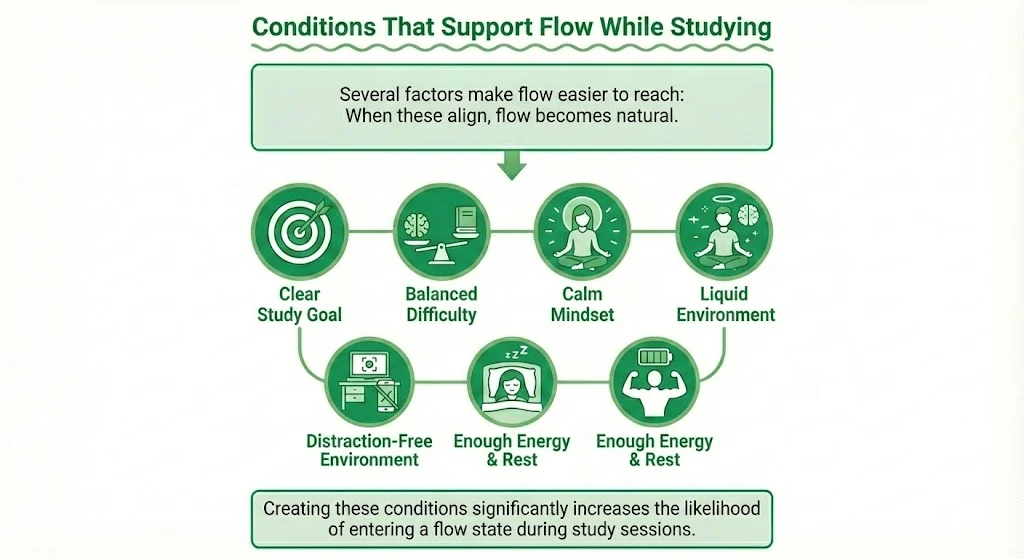
Mood swings in males may come from different biological and lifestyle factors. Some key causes include:
- Hormonal changes such as declining testosterone after age 40
- High stress levels and raised cortisol
- Poor sleep quality or irregular sleep
- Diet high in processed food or sugar
- Sedentary lifestyle and lack of activity
- Substance use such as alcohol or drugs
- Long term mental health challenges
- Blood sugar changes during fasting or missed meals
A growing number of discussions online also highlight Irritable Male Syndrome. This term refers to emotional sensitivity, anger, anxiety, and frustration linked to hormone imbalance. Men with IMS may report mood shifts, low confidence, and relationship stress.
Signs and Symptoms to Watch For
Mood swings in men may appear in different forms. Some common signs include:
- Irritability or anger over small issues
- Sudden loss of motivation or energy
- Withdrawal from family or social life
- Difficulty focusing or making decisions
- Feeling tense, restless, or on edge
- Regret after emotional reactions
If these shifts come often, they may interfere with daily life. Many partners also notice short replies, grumpiness, or emotional distance.
What Recent Online Trends Show
Public awareness of male mood swings continues to rise. Many social discussions highlight hormonal changes, stress, and lifestyle as leading causes. There is also more empathy toward men who choose therapy, fitness, or structured routines to restore stability.
Key Online Opinions About Male Mood Swings
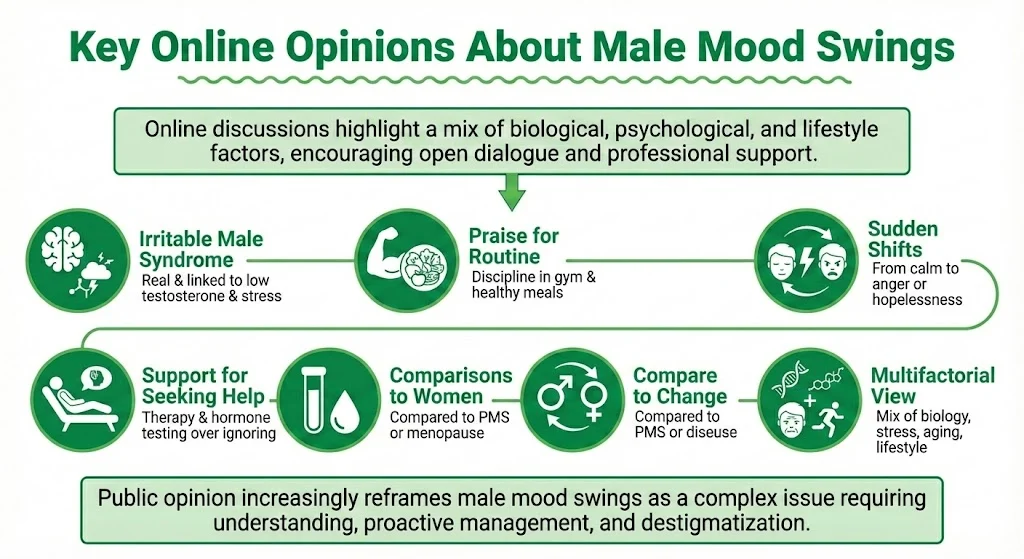
- Many people believe Irritable Male Syndrome is real and linked to low testosterone and stress.
- Men who follow daily routines like gym training and healthy meals receive praise for discipline.
- Partners often describe sudden shifts from calm to anger or motivation to hopelessness.
- Public opinion supports men seeking therapy and hormone testing instead of ignoring symptoms.
- Some discussions compare male mood swings to PMS or menopause in women.
- Mood swings are often seen as a mix of biology, stress hormones, aging, and lifestyle choices.
How to Control Mood Swings in Men
Mood swings can improve when men take small but steady steps that support both mental and physical health. The focus is on balance, routine, and awareness.
1) Exercise and Physical Activity
Regular exercise helps regulate hormones and brain chemicals. It also reduces stress and improves sleep. Strength training, sports, or daily walking can support testosterone levels and increase energy. Men who build progress in fitness often report better confidence and mood stability.
2) Diet and Blood Sugar Control
Food has a strong effect on mood. Diets high in processed food and sugar may cause energy crashes and emotional swings. Choosing balanced meals with protein, vegetables, whole grains, and healthy fats can steady blood sugar and support brain function. Drinking enough water also matters.
3) Sleep and Rest
Poor sleep affects mood regulation. Men who sleep less than 7 hours may face irritability and low patience. Keeping a sleep schedule, limiting screens at night, and creating a calm sleep space may improve rest quality and reduce emotional swings.
4) Stress Reduction
Stress increases cortisol, which may fuel irritability and anxiety. Simple stress tools include:
- Deep breathing
- Meditation
- Journaling
- Spending time in nature
- Limiting alcohol and nicotine
Even small breaks during the day can help reset the mind.
5) Mental Health Support
If mood swings become frequent or intense, therapy can help. Cognitive behavioral therapy supports men in learning new coping skills. It also helps identify triggers and patterns. Medical guidance is important if depression, anxiety, or bipolar symptoms appear.
6) Hormone and Health Checks
Men over 40 may benefit from hormone testing if symptoms like low energy, low libido, or irritability persist. Doctors may assess testosterone, estrogen balance, thyroid health, and other factors.
7) Building Stable Daily Habits
Routine is one of the strongest tools against emotional volatility. Habits like set wake times, regular meals, workouts, work focus, and relaxation rituals support emotional control. Online discussions show strong admiration for men who maintain discipline in fitness, work, and personal development.
8) Relationship Awareness
Mood swings can strain relationships. Awareness helps build empathy on both sides. Open communication, patience, and support may prevent conflict. If anger becomes frequent, professional help is recommended.
When to Seek Help
Men should consider support if mood swings:
- Happen daily
- Affect relationships
- Cause aggressive reactions
- Lead to isolation
- Impact work performance
- Trigger hopelessness
Early help prevents escalation and supports long term wellbeing.
Final Thoughts
Mood swings in men are real and often linked to hormones, stress, and lifestyle. Awareness is growing across the world, and many men now take action through health checks, exercise, therapy, and structured routines. Stability comes from small daily choices rather than dramatic change.
With empathy and effort, mood swings can be managed and reduced. The goal is not perfection but balance, clarity, and emotional self control.
Tags: mood swings male, irritable male syndrome, male mental health, testosterone mood changes, stress management men, emotional health men
Related Posts :




Share This Post