Bedtime Yoga Sequence for Deep, Restful Sleep: Your Guide to Better Night’s Rest
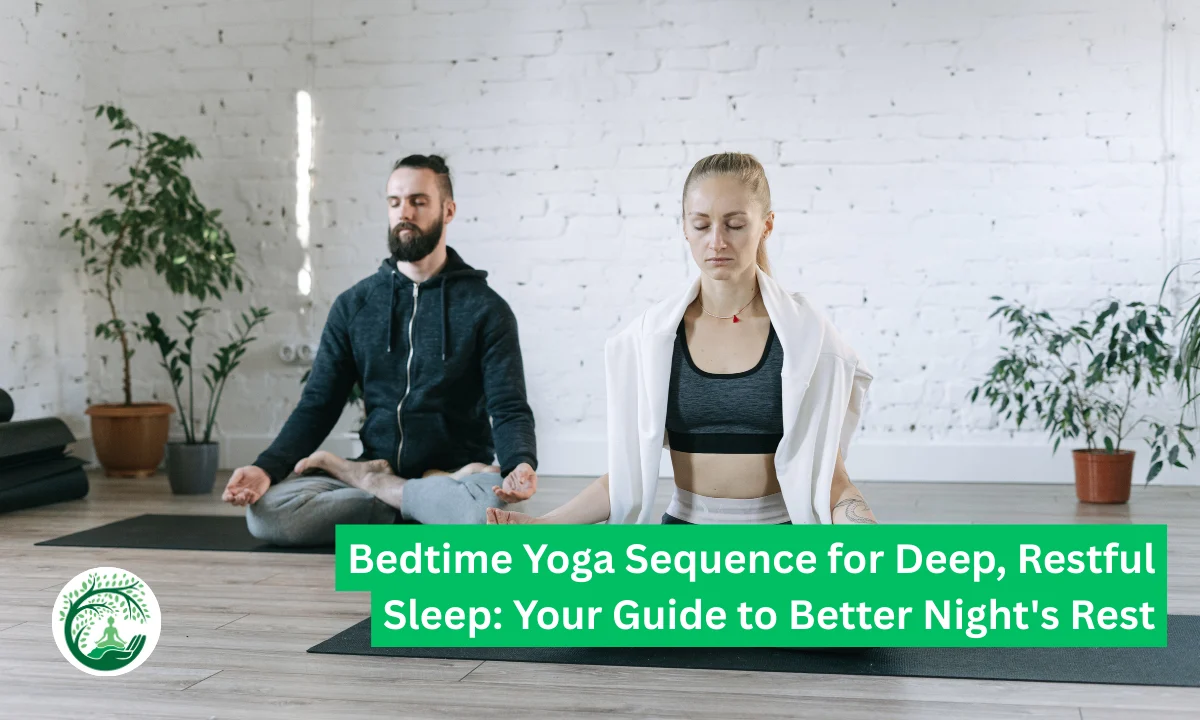
Bedtime Yoga Sequence for Deep, Restful Sleep: Your Guide to Better Night's Rest
A bedtime yoga sequence can transform your sleep quality and help you wake up refreshed. If you struggle to fall asleep or find yourself tossing and turning at night, gentle yoga poses before bed might be exactly what you need. Research shows that practicing bedtime yoga regularly can reduce the time it takes to fall asleep by up to 68 percent while improving overall sleep quality.
This simple practice works by calming your nervous system and releasing physical tension stored in your muscles throughout the day. Unlike intense workouts, bedtime yoga uses slow movements and deep breathing to signal your body that it’s time to rest.
The best part is you can do most of these poses right in your bed without any special equipment. Whether you have just five minutes or twenty, a consistent bedtime yoga routine can become your natural sleep aid.
Key Takeaways
- Bedtime yoga activates your parasympathetic nervous system to prepare your body for deep sleep
- Practice gentle poses like reclined twists, happy baby, and legs up the wall for maximum relaxation
- Focus on deep breathing techniques like the 4-7-8 method to calm racing thoughts
- Hold each pose for 1-3 minutes to allow muscles to fully release tension
- Practice yoga at least one hour before sleep for best results, or do it right in bed if you have insomnia
- Keep movements slow and gentle, avoid any vigorous or heating poses before bedtime
- Consistency matters more than duration, even a 5-minute practice can improve sleep quality
Also Read: How Yoga Improves Mental Health: Science-Backed Benefits
Why Bedtime Yoga Works for Better Sleep
Your body needs clear signals to transition from active mode to rest mode. When you practice bedtime yoga, you activate your parasympathetic nervous system which controls the rest and digest response. This is the opposite of the stress response that keeps you awake at night.
Many people carry tension in their hips, lower back, and shoulders from sitting all day. Gentle yoga stretches release this physical tension while slow breathing exercises calm your racing mind. Studies show that people who practice bedtime yoga fall asleep faster and experience fewer nighttime wake-ups.
The practice also increases body awareness, helping you notice and release tension you didn’t even know you were holding. Think of bedtime yoga as a bridge between your busy day and peaceful sleep. It gives your mind permission to stop planning and worrying while your body melts into relaxation.
The Best Poses for Your Bedtime Yoga Sequence
Child’s Pose (Balasana)
This resting pose gently stretches your lower back and hips while promoting a calm state of mind. Kneel on your bed with your knees hip-width apart and your toes touching. Lower your torso between your knees and extend your arms forward or rest them alongside your body. Hold for 2-3 minutes while breathing deeply into your back. This pose helps you turn inward and release the day’s stress. If your hips feel tight, place a pillow between your thighs and calves for support.
Cat-Cow Stretch (Marjaryasana-Bitilasana)
This flowing movement releases tension in your spine and promotes relaxation through rhythmic breathing. Start on hands and knees with your spine neutral. Inhale as you lift your head and tailbone toward the sky while dropping your belly down.
Exhale as you round your spine and tuck your chin to your chest. Move slowly through 5-10 rounds, letting your breath guide each movement. This gentle flow soothes your nervous system and prepares your body for stillness.
Reclined Butterfly (Supta Baddha Konasana)
This hip opener releases tension in your groin and inner thighs while calming your entire body. Lie on your back and bring the soles of your feet together, letting your knees fall open to the sides. Place pillows or blocks under your knees if needed for support. Rest your arms in a comfortable position and focus on slow breathing. Hold this pose for 3-5 minutes. This position is especially helpful for women experiencing perimenopause symptoms and hip tightness.
Happy Baby Pose (Ananda Balasana)
This playful pose releases lower back tension and opens your hips in a gentle way. Lie on your back and hug your knees toward your chest. Hold the outside edges of your feet and gently pull your knees toward your armpits. Rock slowly side to side if it feels good. Stay here for 1-2 minutes while breathing deeply. This pose helps release physical tension while bringing a sense of lightheartedness before sleep.
Reclined Spinal Twist (Supta Matsyendrasana)
This gentle twist wrings out the stress of your day and massages your internal organs. Lie on your back and hug your right knee to your chest. Guide it across your body to the left while keeping your right shoulder on the bed. Extend your arms in a T-shape and gaze to the right. Hold for 90 seconds on each side. This pose releases tension in your spine and lower back. Many people find this position so comfortable they drift off to sleep in it.
Legs Up the Wall (Viparita Karani)
This restorative inversion is the ultimate relaxation pose for bedtime yoga sequences. Scoot your hips close to your headboard or wall and extend your legs straight up. Let your arms rest by your sides with palms facing up. Hold for 3-5 minutes while breathing naturally. This pose drains tension from your legs, calms your nervous system, and signals your body it’s time to sleep. If you spend a lot of time on your feet, this pose will feel incredible after just a few seconds.
Final Relaxation (Savasana)
End your bedtime yoga sequence with this ultimate resting pose right in your bed. Lie on your back with your legs slightly apart and arms away from your body. Close your eyes and let every muscle completely relax. Scan through your body from head to toe, consciously releasing any remaining tension. Stay here for at least 5 minutes or simply drift off to sleep. You can cover yourself with a blanket if you feel chilly.
Breathing Techniques for Better Sleep
The 4-7-8 breathing technique remains one of the most effective methods for falling asleep quickly. Inhale through your nose for 4 counts, hold your breath for 7 counts, then exhale slowly through your mouth for 8 counts. This pattern activates your relaxation response and slows your heart rate.
Another trending technique is the double exhale method where you inhale for 4 counts then exhale in two parts of 6 counts each through pursed lips. This can drop your heart rate by 10-15 beats per minute in under two minutes. Practice your chosen breathing technique throughout your bedtime yoga sequence for maximum benefit. Keep your breath slow, steady, and natural without forcing anything.
Creating Your Perfect Bedtime Yoga Routine
Start with just 5-10 minutes if you’re new to bedtime yoga and gradually increase the duration as it becomes a habit. Practice at least one hour before sleep for best results, though doing yoga right in bed works great if you have chronic insomnia. Dim the lights, put away your phone, and create a calm environment before starting.
You don’t need any special equipment, just comfortable clothing and perhaps a pillow or two for support. Choose 3-5 poses that feel good for your body and hold each for 1-3 minutes. Listen to your body and never push into pain or discomfort. The goal is relaxation, not a workout. If a pose doesn’t feel good, skip it and try another one. Consistency matters more than perfection, so aim to practice even a short sequence every night.
Common Mistakes to Avoid
Never practice vigorous or heating yoga styles like power yoga or hot yoga close to bedtime. These will energize your body when you need to wind down. Avoid holding your breath or breathing too forcefully, which can activate your stress response.
Don’t check your phone or watch TV right before your practice as blue light disrupts your natural sleep hormones. Skip any poses that cause pain or discomfort. Remember this is bedtime yoga, not a flexibility competition. Don’t practice on a full stomach, wait at least 2-3 hours after a large meal. If you’re very tired, it’s okay to do your entire sequence right in bed and drift off during the final relaxation pose.
Conclusion
A bedtime yoga sequence offers a natural and effective way to improve your sleep quality without medication. By combining gentle stretches with deep breathing, you prepare both your body and mind for deep, restful sleep.
Start tonight with just 5 minutes of simple poses like child’s pose and legs up the wall. As you build the habit, you’ll notice falling asleep becomes easier and waking up feels more refreshing. The key is consistency, not perfection. Even on busy nights, a brief bedtime yoga practice can make all the difference in how well you sleep.
Related Posts :




Share This Post