Breathing Practices in Yoga That Boost Focus & Balance
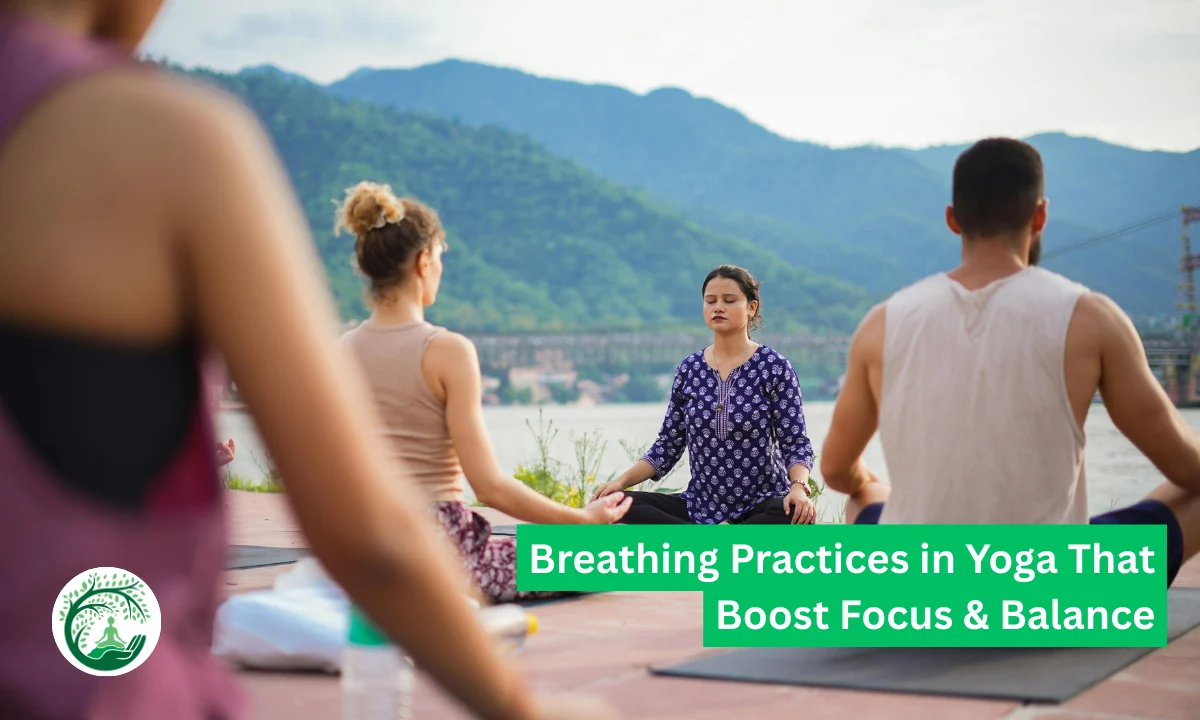
Breathing Practices in Yoga That Boost Focus & Balance
Breathing practices in yoga called pranayama can change your life in ways you never imagined. You wake up stressed, your mind races all day and sleep feels impossible. Sound familiar. These ancient breathing techniques offer real solutions for modern problems. They help you focus better, balance your emotions and feel calmer within minutes.
Pranayama is not just about taking deep breaths. It is a powerful tool that connects your mind and body. When you control your breath you control your mental state. Studies show that regular pranayama practice reduces anxiety by up to 40 percent. It also lowers blood pressure, improves concentration and boosts energy levels. The best part is you can practice these techniques anywhere without any equipment.
In this article you will discover simple yet effective breathing practices that actually work. These are not complicated rituals. They are practical methods you can use during your lunch break, before a big meeting or when you need to calm down at night. Each technique targets specific needs like reducing stress, increasing energy or improving sleep quality.
Key Takeaways
- Nadi Shodhana balances both brain hemispheres and reduces mental tension instantly
- Ujjayi breathing builds internal heat and sharpens concentration during work
- Box breathing activates your parasympathetic system for quick stress relief
- Bhramari pranayama calms racing thoughts and supports immune health
- Kapalabhati clears mental fog and energizes you for peak performance
- Regular practice of 5-10 minutes daily shows noticeable results in focus and balance
- These techniques require no equipment and can be practiced anywhere
Also Read: Best Yoga For Back Pain: Simple Poses That Actually Work
Understanding Pranayama and Its Impact on Focus
Pranayama means control of life force through breathing. The word comes from two Sanskrit terms. Prana means life energy and ayama means extension. Together they create a practice that extends your vital energy. Ancient yogis discovered that breath is the bridge between body and mind. When you change your breathing pattern you change everything.
Your breath affects your nervous system directly. Fast shallow breathing activates stress responses. Slow deep breathing triggers relaxation. This is not mystical thinking. Modern science proves these connections. Researchers at Trinity College found that yogic breathing synchronizes with brain waves. This synchronization improves mental clarity and emotional stability.
The beauty of pranayama lies in its simplicity. You do not need a yoga studio or special clothes. Just find a quiet spot and focus on your breath. Even five minutes creates noticeable changes. Your heart rate slows down. Your blood pressure drops. Your mind becomes clearer and more focused.
Essential Breathing Techniques for Better Focus
1) Nadi Shodhana (Alternate Nostril Breathing)
This technique balances the left and right sides of your brain. Close your right nostril with your thumb. Inhale through the left nostril for four counts. Hold the breath. Then close your left nostril with your ring finger. Release your thumb and exhale through the right nostril. Continue alternating for five to ten rounds.
Nadi Shodhana reduces mental tension immediately. It harmonizes opposing energies in your body. Many people use this before important presentations or exams. The practice clears energy channels and promotes steady focus. Start with gentle breaths and never force the rhythm.
2) Ujjayi Pranayama (Ocean Breath)
Ujjayi creates a soft ocean sound in your throat. Inhale deeply through your nose. Slightly constrict your throat muscles. This makes a gentle hissing sound. Exhale slowly while maintaining the same constriction. The sound should be smooth and continuous like waves.
This breathing builds internal heat and sustained concentration. It grounds your wandering mind and keeps you present. Many yoga practitioners use Ujjayi throughout their entire practice. The technique enhances lung capacity and improves blood circulation. Practice for five minutes daily and you will notice better focus at work.
3) Box Breathing (Sama Vritti)
Box breathing creates perfect balance in your nervous system. Inhale for four seconds. Hold for four seconds. Exhale for four seconds. Hold for four seconds. Repeat this cycle for five minutes. The equal timing brings equilibrium to your entire system.
This method works wonders for high pressure situations. Navy SEALs use box breathing before missions. It sharpens attention and fosters mental stillness. The technique is perfect for beginners because the pattern is easy to remember. Use it before stressful meetings or when anxiety strikes.
4) Bhramari Pranayama (Humming Bee Breath)
Bhramari involves humming like a bee while you breathe. Inhale deeply through your nose. Cover your ears with your fingers. Exhale while making a low humming sound. Feel the vibration in your head. Practice five to seven rounds.
The vibrations calm racing thoughts instantly. They also boost nitric oxide production which supports your immune system. This technique helps when you feel overwhelmed or scattered. Many people practice Bhramari before bed for better sleep. The humming creates a soothing effect that releases mental tension.
5) Kapalabhati (Skull Shining Breath)
Kapalabhati energizes your entire system. Sit upright and take a passive inhale. Then do forceful belly exhales like pumping a bellows. Complete twenty to thirty pumps and then rest. This technique clears mental fog within seconds.
The rapid breathing detoxes your body and mind. It removes stale air from your lungs and brings fresh oxygen to your brain. Practice Kapalabhati in the morning for instant energy. Avoid this technique before bed as it is stimulating. People with high blood pressure should consult a teacher first.
Creating Your Daily Practice Routine
Start small with just five minutes each morning. Choose one technique that matches your current needs. If you feel anxious try Nadi Shodhana. If you need energy practice Kapalabhati. Consistency matters more than duration.
Set a specific time for your practice. Morning works best because your mind is fresh. Sit in a comfortable position with your spine straight. Close your eyes and eliminate distractions. Focus only on your breath and let other thoughts pass.
Track your progress in a simple journal. Note how you feel before and after practice. You will notice patterns over time. Some techniques work better for specific situations. Experiment with different methods until you find your favorites.
Common Mistakes to Avoid
Never force your breath beyond comfort. Pranayama should feel natural not strained. If you feel dizzy or lightheaded stop immediately. These are signs you are pushing too hard. Always listen to your body signals.
Do not practice advanced techniques without proper guidance. Some breathing methods have contraindications. For example Bhastrika is not suitable for people with heart conditions. Kapalabhati should be avoided during pregnancy. Seek instruction from qualified teachers.
Avoid practicing on a full stomach. Wait at least two hours after eating. An empty stomach allows for deeper breathing and better focus. Also choose a clean quiet space free from distractions. Your environment affects your practice quality.
Conclusion
Breathing practices in yoga offer real solutions for modern stress and distraction. These techniques are simple yet powerful tools for improving focus and balance. Start with just five minutes daily and choose methods that match your needs. Remember that consistency creates results not perfection.
Nadi Shodhana balances your mind. Ujjayi builds concentration. Box breathing calms anxiety. Bhramari quiets mental chatter. Kapalabhati energizes your body. Each technique serves a specific purpose in your wellness journey. Practice them regularly and you will notice significant changes in your mental clarity and emotional stability.
The key is to begin today. Do not wait for the perfect moment or ideal conditions. Grab five minutes right now and try one technique. Your breath is always with you. It is the most accessible tool for transformation. Use it wisely and watch your focus and balance improve day by day.
Related Posts :



Share This Post