Calorie Mistakes That Slow Down Fat Burning: Simple Fixes for Better Results
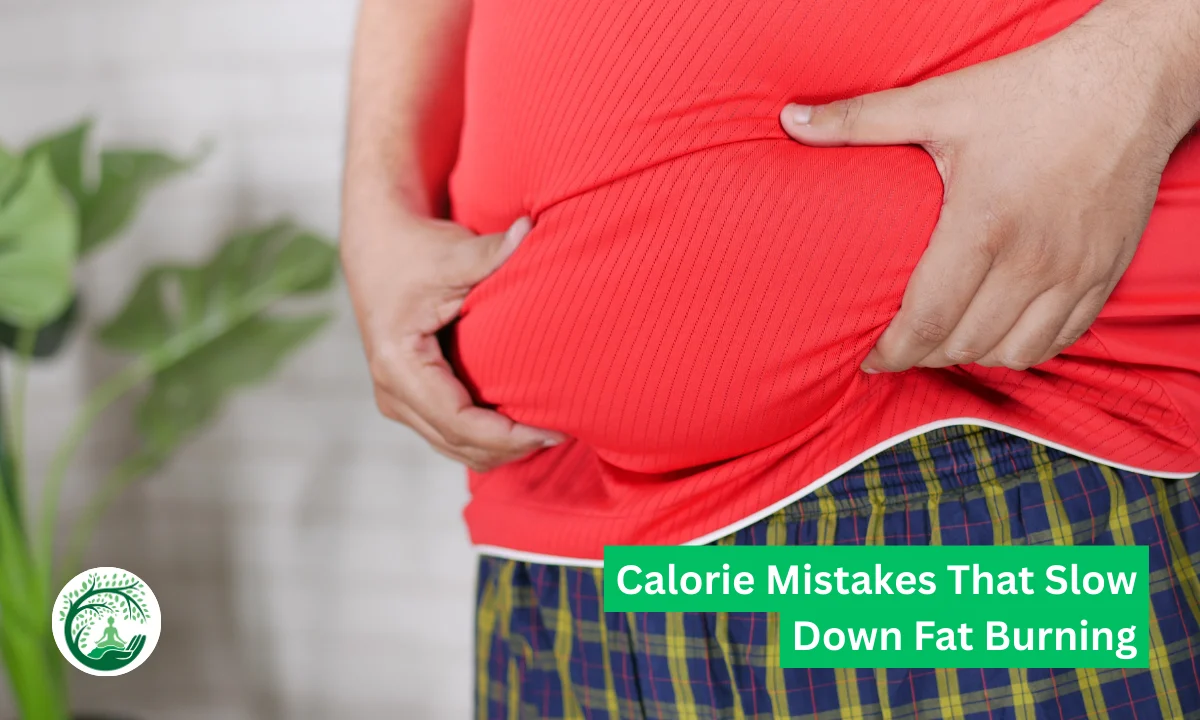
Calorie Mistakes That Slow Down Fat Burning
Calorie mistakes that slow down fat burning are more common than you think. Many people struggle with weight loss despite following strict diets because they unknowingly commit errors that harm their metabolism.
Understanding these mistakes can help you lose fat faster and maintain results long term. Your body burns calories through metabolism which is the process that converts food into energy. When you make certain calorie errors your metabolic rate drops and fat burning slows down significantly.
Research shows that people who eat too few calories or skip important nutrients often face weight loss plateaus within weeks. The good news is that fixing these mistakes is simpler than most people believe.
By making small adjustments to your eating patterns and lifestyle you can restart your fat burning engine and see real progress. This article covers the most critical calorie mistakes that prevent fat loss and provides practical solutions you can start using today.
Key Takeaways
- Eating fewer than 1000 calories daily can decrease your metabolic rate by up to 25 percent making fat loss harder
- Getting less than 1.2 grams of protein per kilogram body weight reduces calorie burning by 50 to 100 calories daily
- Skipping strength training causes muscle loss which lowers your resting metabolism significantly
- Drinking sugary beverages and consuming hidden liquid calories can add 300 to 500 extra calories without making you feel full
- Poor sleep under 7 hours increases hunger hormones by 24 percent and slows metabolism by 5 to 10 percent
- Sitting for long periods reduces non exercise activity thermogenesis by up to 300 calories per day
Also Read: How Stress Hormones Affect Fat Storage
Understanding Calorie Mistakes and Metabolism
Your metabolism determines how many calories your body burns each day. When people try to lose weight they often focus only on eating less. This creates problems because the body adapts to low calorie intake by slowing down metabolism.
The resting metabolic rate accounts for most of your daily calorie burn. When this drops your fat loss stops even if you eat very little food.
The biggest mistake is cutting calories too drastically. Studies confirm that eating under 1000 calories daily causes metabolism to drop by 15 to 20 percent within two months. Your body thinks food is scarce and conserves energy. This survival mechanism made sense thousands of years ago but today it just makes losing weight harder. The solution is moderate calorie reduction not starvation.
The Protein Problem in Fat Burning
Protein plays a crucial role in maintaining metabolism during weight loss. When you eat protein your body burns 20 to 30 percent of those calories just digesting it. This is called the thermic effect of food. Carbohydrates only burn 5 to 10 percent and fats burn less than 3 percent during digestion. Missing adequate protein means you miss this automatic calorie burn.
Research shows people need at least 1.2 grams of protein per kilogram body weight to protect metabolism. For someone weighing 70 kilograms that equals 84 grams daily. Getting less than this amount leads to muscle loss which drops your metabolic rate permanently. High protein diets reduce daily energy expenditure decline by half compared to low protein plans. Start your day with 30 grams of protein to control appetite and burn more calories naturally.
Common Calorie Mistakes That Destroy Fat Loss
| Mistake | Impact on Metabolism | Daily Calorie Loss |
|---|---|---|
| Extreme calorie restriction | Drops RMR by 15-25% | 200-400 calories |
| Low protein intake | Reduces thermic effect | 50-100 calories |
| Zero strength training | Causes muscle loss | 100-200 calories |
| Excessive sitting | Lowers NEAT | 200-300 calories |
| Poor sleep quality | Increases fat storage | 150-250 calories |
Liquid calories are silent metabolism killers. Coffee drinks can pack 300 calories while providing zero satisfaction. Your brain does not register liquid calories the same way it does solid food. This leads to overeating later in the day. Many people add healthy foods like nuts and seeds without tracking them properly. These calorie dense items can easily add 500 calories daily when portions get out of control.
Dehydration slows fat oxidation by 12 percent according to recent studies. Water is essential for every metabolic process in your body. When you do not drink enough your cells cannot burn fat efficiently. Aim for 3 to 4 liters daily and drink a glass before each meal. This simple habit can increase calorie burning and reduce appetite naturally.
The Exercise and Activity Balance
Cardio alone is not enough for optimal fat burning. While cardio burns calories during the workout it does not build muscle. Without muscle your resting metabolism stays low even after you finish exercising. Strength training three times weekly increases resting metabolic rate by 7 percent on average. This means you burn more calories even while sleeping.
Non exercise activity thermogenesis matters more than most people realize. Simple movements like standing cleaning and walking stairs burn significant calories. People with desk jobs can lose 300 calories daily from reduced NEAT compared to active individuals. Set a timer to stand and move every hour. Take phone calls while walking and choose stairs over elevators. These small changes add up to hundreds of extra calories burned weekly.
Sleep Stress and Hidden Metabolism Blockers
Sleep deprivation is one of the worst calorie mistakes for fat burning. Getting under 7 hours nightly increases the hunger hormone ghrelin by 24 percent. At the same time it reduces leptin which tells your brain you are full. This hormonal imbalance causes overeating that can add 300 to 500 extra calories daily. Poor sleep also drops resting metabolic rate by 2.6 percent within just five nights.
Chronic stress raises cortisol levels which promotes belly fat storage. High cortisol tells your body to hold onto calories as protection against perceived danger. Managing stress through deep breathing meditation or light exercise helps normalize these hormones. Morning sunlight exposure also helps reset your circadian rhythm for better sleep and metabolism. Aim for 15 minutes of natural light within an hour of waking up.
Practical Solutions to Fix Calorie Mistakes
Start with a moderate calorie deficit of 300 to 500 calories below maintenance. Use a calculator to find your total daily energy expenditure then subtract this amount. Track your food for one week to understand where hidden calories hide. Focus on whole foods that provide volume and nutrients without excess calories.
Plan one refeed day weekly where you eat at maintenance calories. This prevents metabolic adaptation and keeps your hormones balanced. Focus the extra calories on healthy carbohydrates which help restore leptin levels. This strategy works better than extreme restriction followed by uncontrolled cheat meals. Consistency with moderate deficits beats aggressive dieting every time.
Prioritize protein at every meal starting with breakfast. Greek yogurt eggs chicken and fish are excellent choices. Keep healthy snacks visible and junk food out of sight. Meal prep on weekends to avoid last minute poor decisions. These habits make hitting your protein target much easier without constant willpower battles.
Building Long Term Fat Burning Habits
Weight loss is a marathon not a sprint. The calorie mistakes that slow fat burning often come from trying to rush results. Sustainable fat loss happens at 0.5 to 1 percent body weight weekly. Faster loss usually means muscle loss and metabolic damage. Focus on building habits you can maintain for years not weeks.
Track your progress beyond the scale. Take measurements and progress photos monthly. Notice how your clothes fit and how much energy you have. These non scale victories keep you motivated when weight fluctuates. Remember that your body weight can vary 2 to 3 kilograms daily based on water food and hormones. Weekly averages give better insight than daily numbers.
Adjust your approach as you lose weight. Your calorie needs decrease as your body gets smaller. Recalculate your maintenance calories after losing 5 kilograms. Add one new stimulus like extra steps or another strength session before cutting more calories. This gradual approach protects your metabolism while continuing fat loss. The goal is sustainable progress not temporary results that lead to regain.
Tags: calorie mistakes, fat burning, metabolism boosting, weight loss tips, protein intake, strength training, sustainable weight loss
Related Posts :



Share This Post