Face Yoga for the Chin Area: Exercises, Awareness, and Wellness Insights
Face Yoga for the Chin Area: Exercises, Awareness, and Wellness Insights
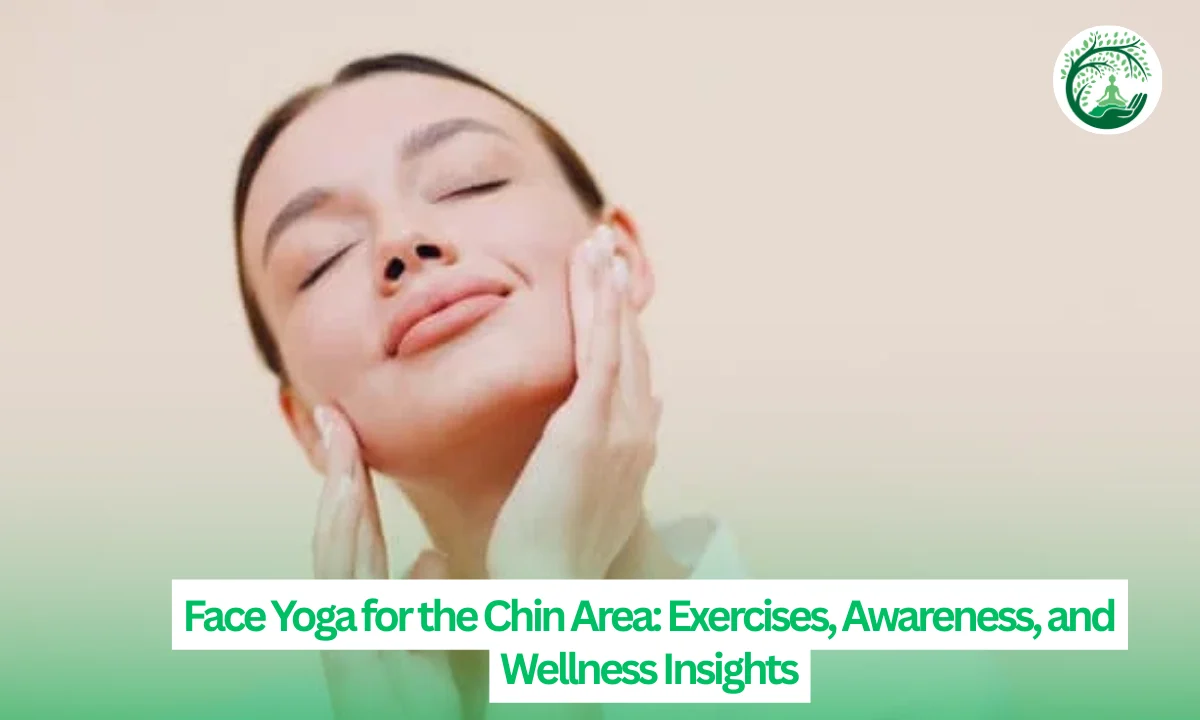
Face yoga for double chin is widely discussed in beauty and wellness spaces as a natural self-care practice. Many people explore it as a way to increase awareness of facial muscles, improve posture habits, and support overall facial movement. The routine is simple, does not require tools, and can be practiced at home as part of a daily wellness routine.
Key Takeaways on Face Yoga for the Chin Area
- Face yoga focuses on gentle facial and neck muscle engagement
- Some individuals notice changes in muscle awareness with regular practice
- Experiences vary depending on consistency, posture, and lifestyle habits
- Often practiced alongside hydration, movement, and general fitness routines
- It is commonly explored as a non-invasive self-care method
Also Read: Yoga Asanas for Digestion: 8 Gentle Poses to Support Gut Comfort
Face yoga places attention on controlled movements of the lower face and neck area. These movements are often used to encourage relaxation, improve posture awareness, and support healthy facial mobility. Many people describe the practice as calming and mindful.
Due to its accessibility, face yoga has gained popularity through online tutorials, mobile apps, and structured programs designed for everyday wellness habits.
Why Does the Area Under the Chin Change Over Time?

The appearance of fullness or looseness under the chin can be influenced by several natural factors. These changes are common and may occur regardless of body weight.
Common contributing factors include:
- Genetic traits
- Natural aging processes
- Posture habits
- Daily movement patterns
- Lifestyle routines
Extended screen use and forward-head posture are frequently discussed in wellness communities. Over time, posture habits may affect how the neck and chin area is held. Face yoga is often practiced as a way to become more aware of these habits.
Why Face Yoga Has Gained Popularity
Face yoga has become increasingly visible in wellness trends during recent years. Online creators often share routines focused on relaxation, posture awareness, and facial movement rather than appearance changes alone.
Popular trends include:
- Short daily face yoga routines
- Guided programs and apps
- Mindfulness-based facial movement
- Posture-focused practices
- Low-time commitment routines
Many people appreciate that these routines can be practiced without equipment and adapted to personal comfort levels.
What to Expect From Regular Practice
Face yoga emphasizes controlled facial movements and muscle engagement. Some people report improved awareness of facial posture and reduced tension in the jaw and neck area over time.
Results vary widely and depend on individual habits, consistency, and overall lifestyle. Face yoga is best viewed as a supportive wellness activity rather than a guaranteed method for appearance change.
Commonly Practiced Face Yoga Movements
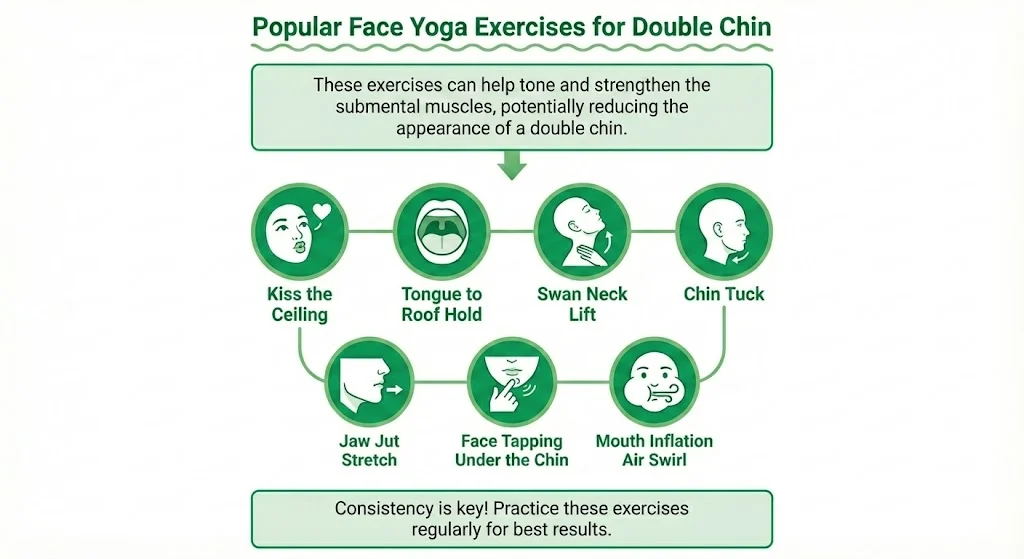
- Kiss the Ceiling
- Tongue to Roof Hold
- Swan Neck Lift
- Chin Tuck
- Jaw Jut Stretch
- Gentle Tapping Under the Chin
- Mouth Inflation Movement
These movements are typically performed slowly and within a comfortable range. The goal is awareness and controlled movement rather than force or strain.
Consistency and Time Considerations
Some individuals notice subtle changes in comfort or muscle control after a few weeks of regular practice. Visible differences, when they occur, tend to develop gradually and vary between individuals.
Factors that may influence personal experience include age, posture habits, sleep, hydration, and daily movement patterns.
Safety and Comfort Guidance
Face yoga is generally practiced gently and should never cause pain. Comfort and relaxation are important.
- Maintain an upright posture
- Avoid over-stretching
- Move slowly and mindfully
- Pause if discomfort occurs
- Stay hydrated
Anyone experiencing ongoing discomfort should seek appropriate professional guidance.
Lifestyle Habits That Complement Face Yoga
Face yoga is often combined with general wellness habits such as:
- Good posture awareness
- Balanced hydration
- Nutritious eating patterns
- Regular physical activity
- Stress management
These habits support overall well-being and daily comfort.
Final Thoughts
Face yoga for the chin area is widely explored as a gentle wellness practice. While individual experiences differ, many people enjoy it as part of a mindful daily routine focused on posture, relaxation, and facial movement.
It is not intended to replace medical care or address health conditions. Instead, it serves as a self-care activity that may complement a balanced lifestyle.
Tags: face yoga, facial movement, jaw awareness, natural wellness, posture habits, mindful self-care
Related Posts :



Share This Post