Fat Loss And Muscle Gain Together Exercises: Complete Guide
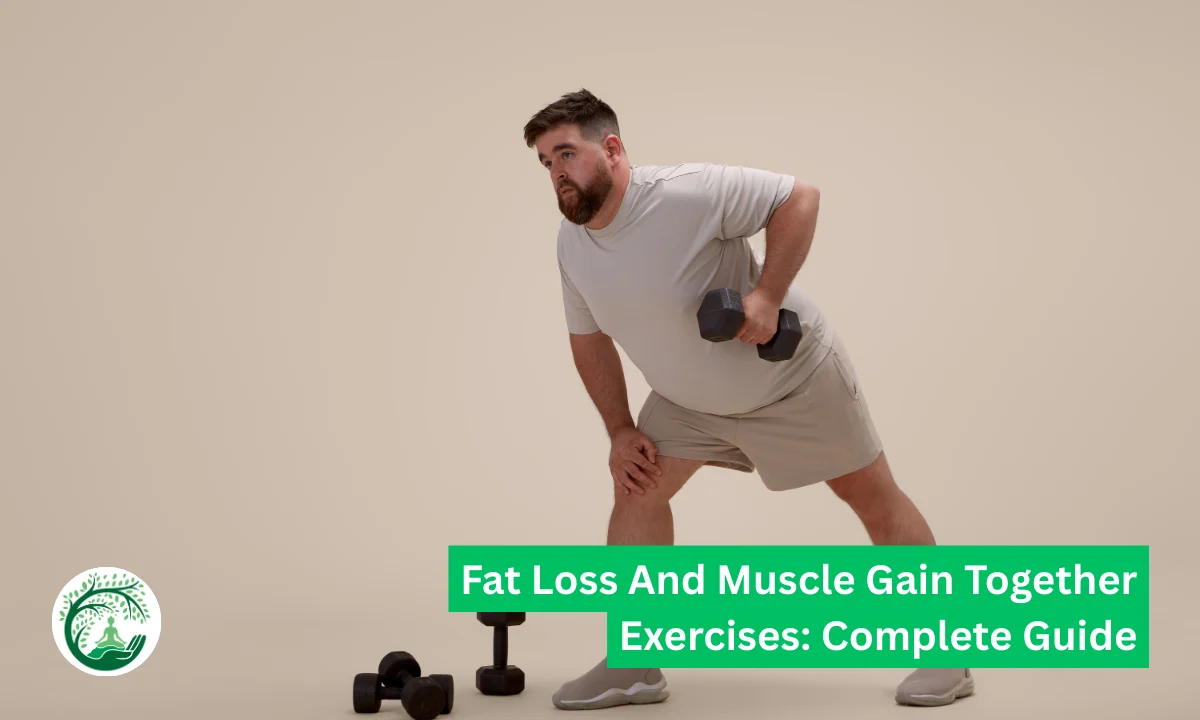
Achieving fat loss and muscle gain together is possible with the right approach. Body recomposition focuses on changing your body composition by reducing fat while building lean muscle mass. This process requires specific exercises combined with proper nutrition and consistent training habits.
Many fitness enthusiasts struggle to balance these two goals but recent research shows it can be done effectively especially for beginners and those returning to fitness.
The key to successful body recomposition lies in resistance training with compound movements. These exercises work multiple muscle groups at once creating maximum calorie burn and muscle stimulus.
When you combine strength training with a moderate calorie deficit and high protein intake your body starts transforming. The scale might not show dramatic changes but your mirror will reflect a leaner stronger physique with visible muscle definition.
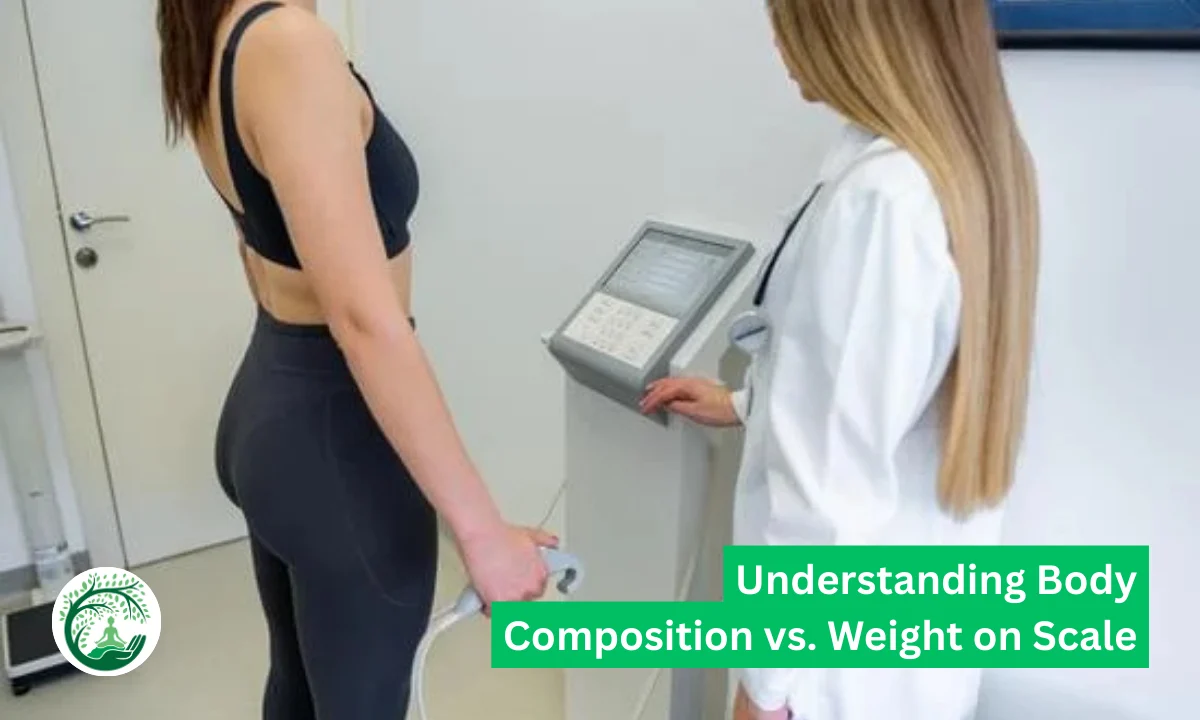
Also Read: Why Body Composition vs Weight on Scale Matters More for Your Health Goals
Key Takeaways
- Body recomposition allows simultaneous fat loss and muscle gain through proper training and nutrition
- Compound exercises like squats deadlifts and bench press provide best results for recomposition
- Protein intake should be high with distribution across all meals throughout the day
- Strength training at least two days per week is essential for building muscle mass
- Moderate calorie deficit combined with resistance training preserves muscle while burning fat
- Progressive overload increases weight or reps gradually to continue seeing results
- Results typically appear within eight to twelve weeks with consistent effort and proper recovery
Understanding Body Recomposition
Body recomposition means changing your body makeup to have less fat and more muscle. Unlike traditional weight loss that focuses on the scale this approach targets body composition. Your body fat percentage compared to muscle mass reflects your true health better than just weight alone.
This process works especially well for people new to training those coming back after a break or individuals with higher body fat levels.
The science behind recomposition centers on creating specific conditions in your body. You need enough protein to build muscle while maintaining a slight calorie deficit to lose fat. Strength training provides the stimulus for muscle growth while your nutrition supports both goals.
This dual approach requires patience because changes happen gradually but the results are lasting and visible.
Best Compound Exercises For Fat Loss And Muscle Gain
Squats stand as the king of lower body exercises. This movement targets your quads glutes hamstrings core and back simultaneously. The high metabolic demand of squats accelerates fat loss while building serious leg and core strength.
Start with bodyweight squats to master form then progress to barbell back squats. Aim for three to four sets of eight to twelve repetitions with weight that challenges you by the last few reps.
Deadlifts activate your entire posterior chain including hamstrings glutes back and traps. This exercise builds exceptional muscle mass throughout your body and elevates calorie burn for hours after your workout.
The conventional deadlift and Romanian deadlift both work well for recomposition goals. Focus on proper form with a neutral spine and tight core before adding heavy weight.
Bench press serves as the premier upper body exercise hitting chest shoulders and triceps together. Whether you choose barbell or dumbbell variations this movement increases upper body muscle mass which enhances your resting metabolic rate.
Include both flat and incline angles to target different portions of your chest muscles for complete development.
Pull ups and chin ups build your back and biceps while engaging your core for stability. These bodyweight exercises scale perfectly as you get stronger and assisted versions help beginners start their journey. If you cannot perform full pull ups yet use resistance bands or an assisted machine until you build enough strength.
High Intensity Finishers For Maximum Results
Kettlebell swings provide explosive power training for your posterior chain. The dynamic nature of swings creates a cardio metabolic boost that burns fat while building muscle endurance. Perform these after your main strength work for three to four sets of fifteen to twenty repetitions. The key is using your hips to drive the movement not your arms or shoulders.
Burpees combine a full body movement with high intensity cardio elements. This exercise elevates your heart rate quickly while working every major muscle group. Add burpees at the end of your workout as a finisher for two to three sets of ten to fifteen repetitions. Start slow to maintain form then increase speed as your conditioning improves.
Creating Your Training Schedule
Your training week should include three to five resistance training sessions focusing on progressive overload. This means gradually increasing the weight you lift or the number of repetitions you perform over time. Track your workouts to ensure you are making consistent progress and not just going through the motions each session.
Recovery matters just as much as training for body recomposition success. Your muscles grow during rest periods not during the actual workout. Aim for seven to nine hours of quality sleep each night and include at least one full rest day per week. Walking eight to ten thousand steps daily provides additional calorie burn without interfering with muscle recovery.
| Exercise Type | Weekly Frequency | Sets Per Exercise | Rep Range |
|---|---|---|---|
| Compound Lifts | 3-5 days | 3-5 sets | 6-12 reps |
| HIIT Finishers | 2-3 days | 3-4 sets | 15-20 reps |
| Walking | Daily | N/A | 8-10k steps |
| Rest Days | 2-3 days | N/A | N/A |
Nutrition Strategy For Body Recomposition
Protein intake becomes your most important nutritional factor for simultaneous fat loss and muscle gain. Research shows that consuming protein rich foods at each meal supports muscle growth while keeping you satisfied.
Target protein sources include chicken breast turkey cottage cheese lean beef eggs and lentils. Distribute your protein evenly across breakfast lunch and dinner rather than loading it all at one meal.
A moderate calorie deficit works best for body recomposition rather than aggressive cutting. This means eating slightly below your maintenance calories while ensuring adequate protein intake.
The deficit should be small enough to preserve muscle mass but large enough to promote fat loss. Most people succeed with a deficit of two hundred to five hundred calories below their maintenance level.
Tracking Your Progress
The bathroom scale tells only part of your recomposition story. Take progress photos from front side and back angles every four weeks to see visual changes. Measurements of your waist chest arms and thighs provide objective data about body composition shifts. Many people notice their clothes fitting differently before seeing major scale changes because muscle is denser than fat.
Body composition can change dramatically while weight stays similar. You might weigh the same after three months but look completely different with visible muscle definition and a smaller waist. This happens because you are replacing fat tissue with lean muscle mass which takes up less space on your body. Focus on how you look and feel rather than obsessing over scale numbers.
Common Mistakes To Avoid
Doing excessive cardio while trying to build muscle often backfires for body recomposition. Long cardio sessions can interfere with muscle recovery and growth especially when combined with a calorie deficit. Stick to short high intensity sessions or daily walking for cardio rather than hours on the treadmill.
Inconsistent training and nutrition habits prevent most people from seeing results. Body recomposition requires sustained effort over several months not random workouts and sporadic dieting. Create a realistic schedule you can maintain long term and commit to following it consistently. The people who succeed are those who stay patient and trust the process even when progress feels slow.
Conclusion
Body recomposition through proper exercise and nutrition offers a sustainable path to better health and physique. Focus on compound movements like squats deadlifts bench press and pull ups combined with high protein nutrition and adequate recovery.
Results appear gradually over eight to twelve weeks but the transformation can be dramatic. Stay consistent with your training increase weights progressively and trust that your body will respond to the stimulus you provide. Remember that building muscle while losing fat takes time but the lasting results make the effort worthwhile.
Also Read: body recomposition, fat loss muscle gain, strength training exercises, compound movements, progressive overload, body composition, resistance training
Related Posts :


Share This Post