How To Drink Water Correctly In A Day For Weight Loss: Simple Timing Rules That Actually Work
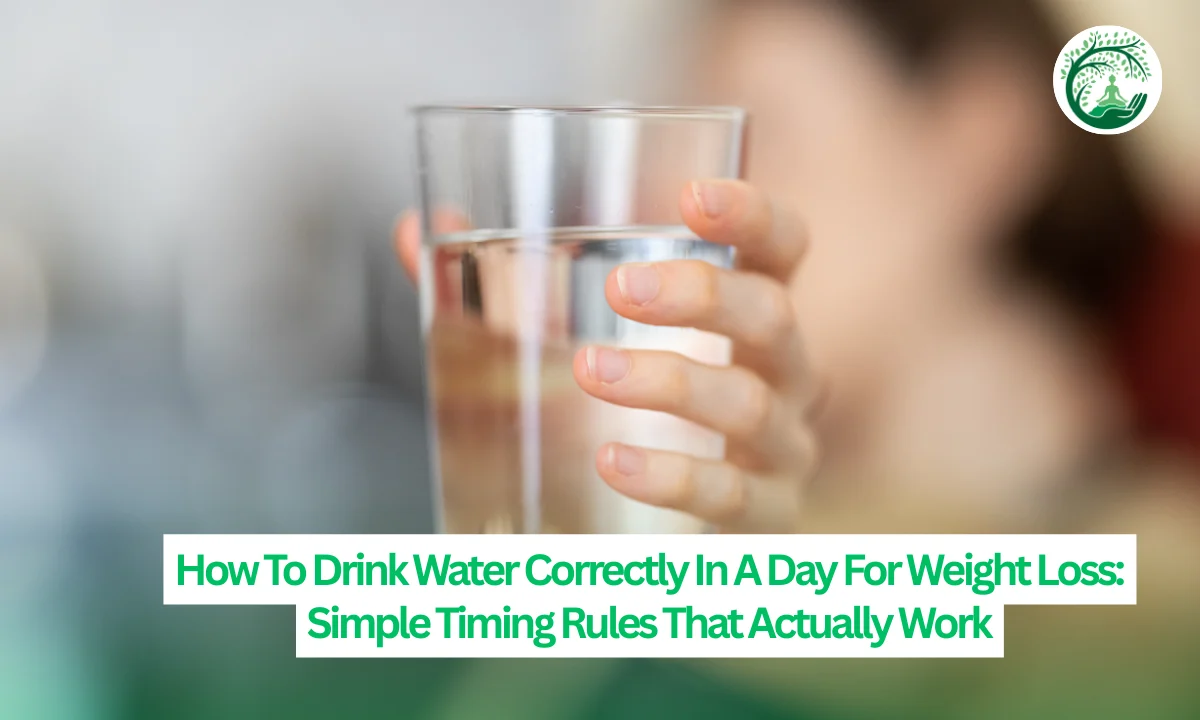
How To Drink Water Correctly In A Day For Weight Loss Simple Timing Rules That Actually Work
Drinking water correctly in a day for weight loss has become one of the most searched health topics in 2025 and 2026. People are no longer asking only how much water to drink.
They are now focused on the best time to drink water for weight loss, whether cold water vs warm water for fat loss makes a difference, and how hydration supports appetite control and metabolism. Water is seen as a zero calorie tool that helps reduce overeating and improves daily energy.
Many health discussions now highlight structured hydration instead of random sipping. This means drinking water at specific times such as after waking up, before meals, and around workouts. Replacing sugary drinks with water is also widely accepted as one of the easiest ways to cut daily calories.
While water alone is not a magic solution, it supports healthy habits that make weight loss easier and more sustainable.
Key Takeaways
- Drinking water before meals can help reduce appetite and calorie intake.
- Cold and lukewarm water both support metabolism in different ways.
- Timing matters more than just volume for weight loss benefits.
- Replacing sugary drinks with water helps lower daily calorie intake.
- Overdrinking water can be harmful and should be avoided.
- Public opinion strongly supports water as a simple weight loss habit.
Also Read: Evidence Based Sleep Hygiene Practices: Science Backed Habits For Better Sleep Quality
Why Water Matters For Weight Loss?
Water supports almost every function in the body. It helps digestion, nutrient absorption, temperature control, and waste removal. For weight loss, water mainly works in three ways.
First, it creates a feeling of fullness. When the stomach senses volume, it sends signals to the brain to reduce hunger. This can prevent overeating and unnecessary snacking.
Second, water supports metabolism. Drinking water slightly increases energy use because the body must warm or process it. Cold water increases this effect more than room temperature water.
Third, water replaces high calorie drinks. When soda, juice, and sweet tea are replaced with water, daily calorie intake drops without changing food portions.
These effects are small on their own but powerful when combined with healthy eating and regular movement.
Also Read: Fat Burning Foods For Mens: No Magic Foods Just Real Fat Loss
Best Time To Drink Water For Weight Loss
The best time to drink water for weight loss depends on how it fits into your daily routine. Experts and public discussions now focus on timing rather than only total intake.
Morning Hydration After Waking Up
Drinking water after waking up helps rehydrate the body after sleep. Many people drink 500 to 700 ml of lukewarm water in the morning. This supports digestion and prepares the body for food later in the day.
Some people add lemon for taste and vitamin C. This does not burn fat directly but can help them drink water more consistently.
Drinking Water Before Meals
This is one of the most popular and supported habits. Drinking about 500 ml of water 30 minutes before meals can help you feel full sooner. This often leads to smaller portions and fewer calories eaten.
This practice is known as water preloading for appetite control. It is especially helpful for people who eat quickly or struggle with portion size.
Water During Meals
Small sips during meals are fine. Drinking too much water during meals may cause discomfort for some people. It can also make digestion feel heavy. Moderate intake works best.
After Meals And Between Meals
Drinking water between meals helps prevent confusion between hunger and thirst. Many people snack when they are actually dehydrated. Keeping a bottle nearby helps maintain steady hydration.
Around Workouts
Water before and after exercise helps muscles work properly and reduces fatigue. Hydration supports better workouts, which indirectly helps weight loss through improved performance and recovery.
Cold Water Vs Warm Water For Fat Loss
People often ask whether cold water or warm water is better for weight loss.
Cold water increases calorie burning slightly because the body must warm it to body temperature. This process is called thermogenesis. It may raise metabolism for a short time.
Warm or lukewarm water supports digestion and is easier on the stomach. It is often preferred in the morning or for people with sensitive digestion.
There is no strong evidence that one is clearly superior. The best choice is the one you can drink consistently throughout the day.
How Much Water Should You Drink For Weight Loss
There is no single rule that fits everyone. A common guideline is 2 to 3 liters per day for most adults. Some use the rule of drinking half their body weight in ounces.
Water needs depend on body size, activity level, climate, and health conditions.
Below is a general guideline table for daily fluid needs.
| Category | Approximate Daily Intake |
|---|---|
| Women | 2.2 to 2.7 liters |
| Men | 2.7 to 3.7 liters |
| Active individuals | More based on sweat loss |
| Hot climate | Increased intake needed |
This includes water from drinks and food such as fruits and vegetables.
Simple Daily Water Routine For Weight Loss
Here is a practical listicle that many people follow to structure hydration.
- Drink 1 to 2 glasses of water after waking up.
- Drink 1 glass of water 30 minutes before breakfast.
- Sip water between meals instead of sugary drinks.
- Drink 1 glass of water before lunch and dinner.
- Drink water before and after workouts.
- Drink small amounts in the evening, not too close to sleep.
This routine focuses on timing and consistency rather than forcing large volumes at once.
Does Drinking Water Reduce Belly Fat?
There is no direct proof that water targets belly fat. Fat loss happens when total calorie intake is lower than energy use over time.
Water helps belly fat loss indirectly by reducing appetite, improving digestion, and replacing calorie rich drinks. Over weeks and months, this can support overall fat loss, including around the abdomen.
Common Myths About Drinking Water For Weight Loss
Many myths exist around hydration and fat loss.
One myth is that drinking huge amounts of water guarantees weight loss. This is not true and can be dangerous.
Another myth is that water fasting is safe for quick results. Extreme water only fasting can cause electrolyte imbalance and other health risks. Sustainable weight loss requires balanced nutrition.
Some people believe lemon water melts fat. Lemon adds flavor and vitamin C but does not directly burn fat.
Risks Of Drinking Too Much Water
Overdrinking water can dilute sodium levels in the blood. This condition is known as hyponatremia. Symptoms may include headache, nausea, and confusion.
A safe approach is to drink when thirsty and spread intake throughout the day. Drinking more than three cups per hour for long periods is not recommended.
Signs you are drinking enough water include light colored urine and feeling alert and energetic.
Public Opinion On Drinking Water For Weight Loss
Public opinion from recent posts shows strong support for hydration as a weight loss habit. Many users describe water as a simple and affordable solution.
Some express frustration about needing to drink large amounts. Humorous posts about frequent bathroom trips are common. These comments show that people accept the effort but still see benefits.
Others highlight that drinking water before meals helps them eat less and feel lighter. Advanced discussions talk about circadian aligned hydration and metabolism.
Overall, people view water as an essential daily habit rather than a quick fix. The tone is practical and realistic.
Hydration Tips For Long Term Success
Consistency matters more than perfection. These habits help people maintain proper hydration.
- Carry a reusable bottle throughout the day.
- Set reminders to drink water.
- Flavor water with lemon or cucumber if plain water feels boring.
- Replace soda and juice with water gradually.
- Drink more water in hot weather or during exercise.
These steps make hydration part of daily life rather than a forced task.
Final Thoughts
Drinking water correctly in a day for weight loss is about timing, balance, and consistency. Water supports appetite control, digestion, and metabolism. It also reduces calorie intake when it replaces sugary drinks.
There is no guarantee that water alone will cause fat loss. It works best when combined with healthy eating and physical activity. Following simple routines like drinking water before meals and staying hydrated through the day can support long term weight management in a safe and natural way.
Tags: hydration tips for weight loss, best time to drink water for weight loss, drink water before meals weight loss, cold water vs warm water for fat loss, how much water to drink for weight loss, water preloading appetite control, healthy hydration habits
Related Posts :

Share This Post