How Yoga Improves Flexibility, Strength, And Posture
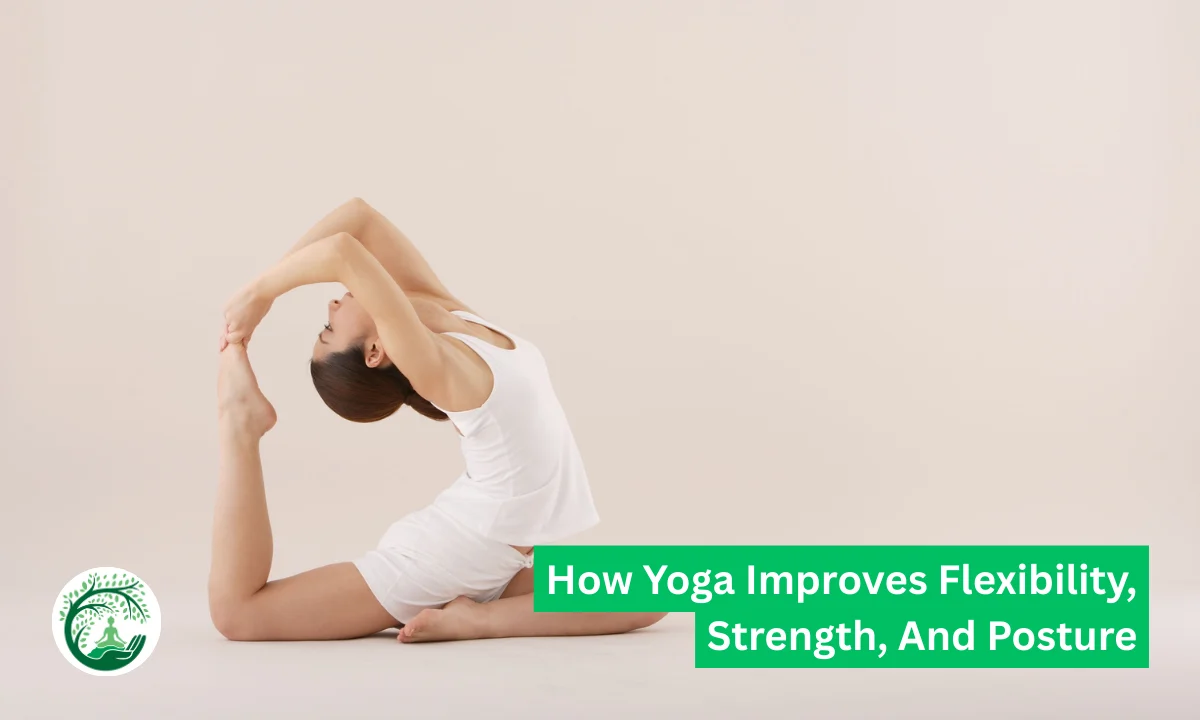
Yoga improves flexibility, strength, and posture through consistent practice that combines physical poses, controlled breathing, and mindful movements. This ancient practice offers a holistic approach to body transformation that works for people of all fitness levels.
Whether you are sitting at a desk for long hours or looking to enhance your physical performance, yoga provides practical solutions to common body problems. Studies show that regular yoga practice can increase flexibility by up to 25 percent in just 8 to 12 weeks.
The practice strengthens your core muscles, opens tight areas like shoulders and hips, and helps correct poor posture habits. You do not need expensive equipment or gym memberships. All you need is a yoga mat and commitment to practice 3 to 4 times weekly.
Also Read: Desk Yoga: Stretches to Undo Hours of Sitting
Key Takeaways
- Yoga lengthens muscles and increases joint range of motion through sustained stretches and dynamic flows
- Regular practice of 8 to 12 weeks can improve flexibility by up to 25 percent with measurable results
- Bodyweight resistance and isometric holds in yoga poses build functional strength in core, arms, and legs
- Yoga strengthens back and core muscles while increasing body awareness to naturally correct slouching
- Forward folds target hamstrings and spine, warrior poses build leg strength, and bridge pose opens the chest
- Consistency is essential with 3 to 4 practice sessions per week showing noticeable changes in 4 to 6 weeks
- Yoga provides additional benefits like reduced back pain, better balance, stress relief, and improved breathing
How Yoga Makes Your Body More Flexible
Yoga enhances flexibility by working on muscles and connective tissues in ways that traditional stretching cannot match. When you hold yoga poses, you create sustained stretches that lengthen muscle fibers and increase joint mobility. The practice combines static holds with flowing movements that target both superficial and deep muscle layers.
Research backs this up with solid evidence. A 10 week yoga program showed significant flexibility improvements in college athletes with clear gains in sit and reach tests. Female students practicing yoga for 16 weeks increased their forward bend reach by 3.5 to 6 centimeters. You will feel differences within weeks, not months.
Best Yoga Poses for Flexibility
1. Paschimottanasana – Seated Forward Bend
Sit on your mat with legs extended straight and feet together. Keep your spine erect and raise both arms. Exhale and bend forward, reaching for your toes. Try to bring your forehead toward your knees. Hold this position while breathing normally for 30 to 60 seconds.
This pose deeply stretches your hamstrings, lower back, and spine. It provides excellent intra abdominal compression and massages your internal organs. The forward bend releases tension in your back muscles and improves flexibility in your posterior chain. Regular practice helps you touch your toes easily and prevents lower back stiffness.
2. Bhadrasana – Butterfly Pose
Sit with legs extended, then draw both feet close to your body with soles touching each other. Bring your heels as close to your pelvis as possible. Place your hands on your knees and gently press them down. Maintain this position for 1 to 2 minutes with normal breathing.
Butterfly pose provides deep stretches for your inner thighs, hips, and groin area. It releases stiffness in hip joints and strengthens your lower abdomen. This pose improves flexibility in both superficial and deep thigh muscles. I find it especially helpful for people who sit for long hours as it opens tight hip flexors.
3. Downward Facing Dog
Start on your hands and knees, then lift your hips up and back to form an inverted V shape. Keep your arms straight and press your heels toward the floor. Hold for 30 to 60 seconds while breathing deeply. This pose stretches your hamstrings, calves, shoulders, and spine simultaneously. It lengthens your entire posterior chain from heels to fingertips.
The position also builds arm and shoulder flexibility while strengthening your upper body. Many people notice improved shoulder mobility and reduced back tension after regular practice.
4. Cat and Cow Pose
Get on your hands and knees with a neutral spine. Exhale and round your back upward like a cat while tucking your chin. Inhale and arch your back downward, lifting your head and tailbone like a cow. Repeat this flowing movement 5 to 10 times.
This dynamic stretch improves spinal flexibility and releases tension in your back muscles. The flowing motion lubricates your spine joints and increases range of motion. I recommend this as a daily warm up because it prepares your body for deeper stretches.
Building Real Strength Through Yoga Practice
Yoga develops strength using your own bodyweight as resistance. This creates functional power that supports daily activities and prevents injuries. When you hold plank pose or warrior positions, your muscles work hard to maintain stability. These isometric contractions build endurance without requiring heavy weights or machines.
Scientific studies demonstrate impressive results. A 12 week hatha yoga program improved muscular strength and endurance comparable to traditional exercise programs. Participants showed gains in arm curls and chair stands. More dynamic styles like vinyasa or ashtanga can produce 20 percent strength gains in just 12 weeks.
Best Yoga Poses for Strength
1. Plank Pose
Start on your hands and knees, then lift your hips and straighten both legs. Keep your body in a straight line from head to heels. Engage your core muscles and hold for 30 to 90 seconds. Plank pose builds tremendous core strength and stabilizes your entire torso.
It strengthens your arms, wrists, shoulders, and back muscles simultaneously. The position teaches you to engage your abdominal muscles properly. Regular practice of plank develops the deep core muscles that protect your spine during daily movements.
2. Warrior II – Virabhadrasana II
Stand with feet wide apart, about 3 to 4 feet. Turn your right foot out 90 degrees and bend your right knee to 90 degrees. Extend your arms parallel to the floor and gaze over your right hand. Hold for 30 to 60 seconds, then switch sides.
This powerful pose builds strength in your legs, glutes, and core muscles. The sustained hold develops muscular endurance in your thighs and improves your stamina. I have seen many students develop shapely, strong legs from practicing warrior poses regularly. The position also strengthens your ankles and improves balance.
3. Ushtrasana – Camel Pose
Kneel on your mat with toes curled under. Slowly lean backward and place your hands on the floor behind you with fingers pointing out. Lift your pelvis upward and allow your neck to fall back gently. Hold for 15 to 30 seconds while breathing carefully. Camel pose strengthens your back muscles, core, and thighs powerfully.
The backbend position builds spine strength and opens your entire front body. This pose reduces thigh fat and develops strong back extensors. The challenge of maintaining this position creates significant strength gains in your posterior chain.
4. Chair Pose – Utkatasana
Stand with feet together, then bend your knees and lower your hips as if sitting in a chair. Raise your arms overhead and hold for 30 to 60 seconds. This challenging pose builds serious strength in your quadriceps, glutes, and calves.
The position engages your core muscles intensely and improves your balance. Chair pose develops functional strength that helps you in daily activities like climbing stairs or lifting objects. Many people feel their legs burning within seconds, which shows how effectively it works your lower body.
Correcting Posture Problems With Yoga
Yoga fixes posture by addressing the root causes of slouching and misalignment. Modern life creates forward head posture from phone use and rounded shoulders from desk work. Yoga counters these patterns through targeted poses and increased body awareness.
The practice strengthens your core and back muscles that support proper spinal alignment. Research links regular yoga practice to reduced back pain and better spinal health. The practice also develops proprioception, which means your brain becomes more aware of your body position in space.
Best Yoga Poses for Posture
1. Trikonasana – Triangle Pose
Stand with feet 3 to 3.5 feet apart. Turn your right foot out 90 degrees. Raise both arms to shoulder height. Exhale and bend sideways to touch your right toe with your right hand. Extend your left arm straight up and look at your left thumb.
Hold for 20 to 40 seconds, then repeat on the other side. Triangle pose stretches and strengthens multiple muscle groups that support proper posture. It opens your chest and shoulders while building core stability. The position corrects lateral spinal alignment and reduces waistline fat. I recommend this pose for people with desk jobs because it counteracts the forward slouch from computer work.
2. Bridge Pose – Setu Bandhasana
Lie on your back with knees bent and feet flat on the floor hip width apart. Press into your feet and lift your hips toward the ceiling. Clasp your hands beneath your back and press your shoulders down. Hold for 30 to 60 seconds while breathing steadily.
Bridge pose strengthens your back extensors and glutes while opening your chest beautifully. The position reverses the rounded shoulder posture from sitting. It builds the posterior chain muscles that keep your spine upright. Regular practice creates a natural tendency to stand taller with shoulders back.
3. Cobra Pose – Bhujangasana
Lie on your stomach with hands placed under your shoulders. Press into your palms and lift your chest off the floor while keeping your pelvis down. Straighten your arms as much as comfortable and look slightly upward. Hold for 15 to 30 seconds.
Cobra pose strengthens your spine extensors and opens your chest and shoulders. The backbend position counteracts forward head posture and rounded shoulders. It builds awareness of proper spinal alignment and strengthens the muscles that hold you upright. Many of my students notice improved posture throughout the day after practicing cobra regularly.
4. Mountain Pose – Tadasana
Stand with feet together and arms at your sides. Distribute your weight evenly across both feet. Engage your thigh muscles, lift your chest, and roll your shoulders back and down. Hold this aligned position for 1 to 2 minutes while breathing naturally.
Mountain pose teaches you what proper standing posture feels like. It builds awareness of spinal alignment and activates the muscles that maintain good posture. This foundational pose trains your body to stand correctly without effort. I use mountain pose to reset my posture several times daily.
Complete Benefits and Practical Tips
The integration of flexibility, strength, and posture work creates compound benefits that extend beyond physical improvements. Better balance reduces fall risk as you age. Reduced muscle tension means less chronic pain. Improved breathing capacity supports cardiovascular health. The stress relief aspect should not be overlooked because tension in your mind creates tension in your body.
Start your journey with beginner friendly classes 2 to 3 times weekly. Focus on proper alignment rather than how deep you can go into poses. Quality always beats quantity in yoga practice. Consider working with a qualified instructor, especially if you have chronic pain or specific health concerns.
They can modify poses to work with your body limitations rather than against them. Remember that yoga is not about touching your toes or doing fancy poses. The practice is about creating a body that feels good and moves well. With consistent effort, you will develop a taller stance, stronger muscles, and more mobile joints that serve you in daily life.
Tags: yoga for flexibility, improve posture naturally, yoga strength training, flexibility exercises, yoga benefits, body alignment yoga, yoga for beginners
Related Posts :


Share This Post