Iron Rich Foods: Best Sources to Boost Your Energy and Health
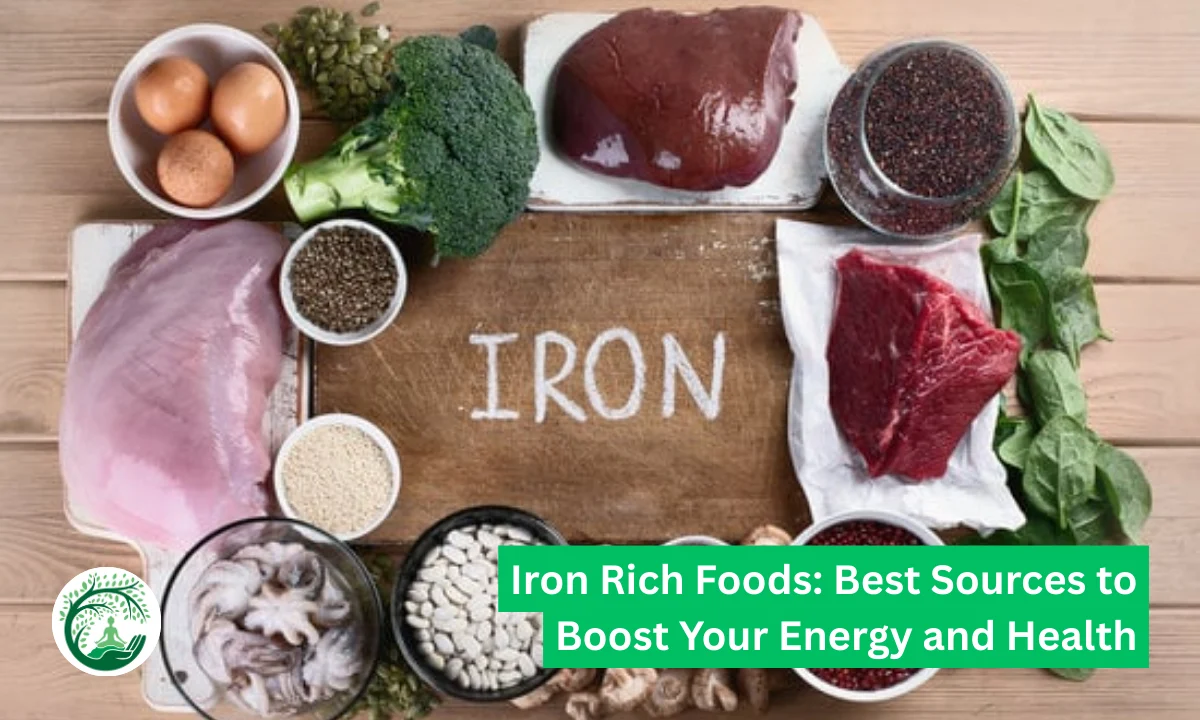
Iron is one of the most essential minerals your body needs to function properly. When I first started paying attention to my iron intake, I noticed a significant difference in my energy levels and overall wellbeing. Iron deficiency can leave you feeling tired, weak, and struggling to get through the day.
In my experience working with nutrition, I have seen countless people transform their health simply by adding the right iron rich foods to their diet.
Many people experience symptoms like fatigue, pale skin, dizziness, and hair loss without realizing these are often signs of low iron levels.
Your body needs iron to produce hemoglobin, which carries oxygen throughout your body. Without adequate iron, your organs and tissues cannot get the oxygen they need, leading to that constant feeling of exhaustion. I have found that understanding which foods provide the best iron sources can make all the difference in maintaining healthy blood and preventing anemia.
Key Takeaways
- Iron comes in two forms: heme iron from animal sources is more easily absorbed than non-heme iron from plant sources
- Red meat, liver, and shellfish provide the highest amounts of bioavailable iron
- Plant-based sources like spinach, legumes, and seeds are excellent for vegetarians and vegans
- Combining iron rich foods with vitamin C enhances absorption significantly
- Women need more iron than men, especially during menstruation and pregnancy
- Simple dietary changes can help prevent iron deficiency and boost energy levels naturally
Also Read: Mediterranean Food: Simple Guide to Healthy Eating and Better Living
Understanding Why Iron Matters for Your Body
Iron plays multiple crucial roles in keeping you healthy and energetic. The mineral is a key component of hemoglobin in red blood cells, responsible for transporting oxygen from your lungs to every part of your body.
I always tell people that iron is like the delivery truck for oxygen, if you do not have enough trucks, the oxygen cannot reach where it needs to go.
Your body also uses iron for producing energy at the cellular level. It supports DNA synthesis, helps your immune system fight infections, and is essential for proper growth and development. Children, pregnant women, and menstruating women have particularly high iron needs.
When I work with clients who are constantly tired despite getting enough sleep, checking iron levels is one of my first recommendations.
Iron deficiency develops in stages. Initially, your body uses up stored iron, then it affects red blood cell production, and finally leads to iron deficiency anemia.
Symptoms include chronic fatigue, weakness, pale skin, cold hands and feet, brittle nails, frequent infections, and difficulty concentrating. Some people even experience unusual cravings for non-food items like ice or dirt, a condition called pica.
Heme Iron vs Non-Heme Iron: The Key Difference
Not all iron is absorbed equally by your body. There are two types of dietary iron and understanding the difference can help you plan better meals. Heme iron comes from animal sources that originally contained hemoglobin, like meat, poultry, and fish. Your body absorbs heme iron much more efficiently, typically at rates of 15-35 percent.
Non-heme iron is found in plant-based foods like vegetables, grains, nuts, and seeds. Some non-heme iron is also present in animal foods since animals eat plants. The challenge with non-heme iron is that your body only absorbs about 2-20 percent of it. This is why vegetarians and vegans need to consume more iron than meat eaters, about 1.8 times the recommended amount.
The good news is that you can boost non-heme iron absorption by pairing plant foods with vitamin C rich items. I always recommend having a glass of orange juice with your fortified cereal or squeezing lemon on your spinach. On the other hand, tea and coffee contain compounds that can reduce iron absorption by up to 70-80 percent, so I suggest avoiding them with meals.
Top Iron Rich Foods from Animal Sources
Red meat stands out as one of the best iron sources available. A 100 gram serving of lean beef provides about 2.7 mg of highly absorbable heme iron. In my experience, people who include red meat in their diet a few times per week rarely struggle with iron deficiency. Grass-fed options offer additional benefits like omega-3 fatty acids and higher vitamin B12 levels.
Liver and organ meats are nutritional powerhouses when it comes to iron. Beef liver contains approximately 6.5 mg of iron per 100 grams, making it one of the richest iron sources you can find. I understand that liver is an acquired taste, but even small amounts added to dishes can significantly boost your iron intake. Chicken liver is slightly milder and equally nutritious.
Shellfish like oysters, clams, and mussels deserve special mention. Six medium oysters provide around 4.2 mg of iron along with zinc and selenium. I have seen people raise their iron levels remarkably by including shellfish once or twice weekly. These foods are not just about iron, they deliver a complete package of nutrients your body needs.
Poultry and fish offer moderate amounts of heme iron. A 100 gram serving of chicken provides 1.3 mg of iron, while fish like tuna and sardines offer similar amounts. Eggs are another convenient option, with two large eggs providing about 1.7 mg of iron. For those who eat animal products, rotating between different protein sources ensures consistent iron intake.
Best Plant-Based Iron Rich Foods
Spinach leads the pack among vegetarian iron sources. One cup of cooked spinach contains approximately 6.4 mg of iron, though remember this is non-heme iron. I always suggest sauteing spinach with a splash of lemon juice to maximize absorption. Other dark leafy greens like kale, broccoli, and ugu (fluted pumpkin leaves) are excellent additions to your diet.
Legumes are my go-to recommendation for vegetarians and vegans. One cup of cooked lentils delivers 6.6 mg of iron plus protein and fiber. Chickpeas, kidney beans, and black beans are equally nutritious. I have noticed that people who regularly eat dal or bean soups rarely face iron deficiency issues. These foods are affordable, versatile, and packed with nutrients.
Seeds and nuts make fantastic iron-rich snacks. Pumpkin seeds top the list with 2.5 mg of iron per quarter cup, along with magnesium and zinc. Sesame seeds, cashews, and almonds are other great options. I keep a small container of mixed seeds at my desk for quick energy boosts throughout the day.
Tofu and other soy products are excellent for those following plant-based diets. Half a cup of firm tofu provides 6 mg of iron. Fortified cereals and breads can help fill nutritional gaps, with some breakfast cereals offering significant iron amounts. Always check labels to find options with minimal added sugar.
Dried fruits like apricots, raisins, and prunes serve as portable iron sources. Half a cup of dried apricots contains about 2 mg of iron plus fiber and antioxidants. I recommend adding them to oatmeal, yogurt, or trail mix for a nutritious boost.
How Much Iron Do You Really Need
Daily iron requirements vary significantly based on age, gender, and life circumstances. Adult men and post-menopausal women need about 8 mg per day. Pre-menopausal women require 18 mg daily due to menstrual blood loss, while pregnant women need even more at 27 mg per day to support fetal development and increased blood volume.
Children have specific requirements that change as they grow. Infants aged 7-12 months need 11 mg, toddlers 1-3 years require 7 mg, and older children need 8-10 mg daily. Teenagers going through growth spurts need 11 mg for boys and 15 mg for girls. These higher needs reflect rapid growth and, for girls, the onset of menstruation.
Vegetarians and vegans should aim for nearly double the standard recommendations because plant-based iron is less bioavailable. This does not mean eating twice as much food, but rather being more strategic about food combinations and ensuring adequate vitamin C intake with meals. I have worked with many successful vegetarians who maintain excellent iron levels through careful meal planning.
Smart Tips to Boost Iron Absorption
Combining iron rich foods with vitamin C is one of the most effective strategies I recommend. The vitamin helps convert iron into a form your body can absorb more easily. Try having bell peppers with your beans, tomatoes with spinach, or citrus fruit with fortified cereals. This simple pairing can significantly increase how much iron you actually absorb.
Cooking in cast iron pans adds small amounts of iron to your food, especially acidic dishes like tomato sauce. While not a primary iron source, every little bit helps. I use cast iron cookware regularly and consider it a bonus nutrition boost.
Avoid tea, coffee, and milk around mealtimes. These beverages contain compounds that bind to iron and reduce absorption. I suggest waiting at least an hour after eating before having your coffee or tea. Calcium supplements can have a similar effect, so take them between meals rather than with iron rich foods.
Soaking and sprouting legumes, grains, and seeds reduces phytic acid content, which otherwise inhibits iron absorption. This traditional preparation method makes iron more bioavailable. I always soak my lentils overnight before cooking, and the difference in digestion is noticeable.
Common Signs You Might Need More Iron
Persistent fatigue is the most common symptom of iron deficiency. If you feel tired even after a full night’s sleep, iron levels are worth checking. I have seen many people regain their energy simply by addressing low iron through diet or supplements.
Pale skin, especially noticeable in the palms, nail beds, and inside eyelids, often indicates anemia. Your skin may look washed out or lose its usual color. Brittle nails that break easily, hair loss beyond normal shedding, and frequent headaches are other warning signs I watch for.
Cold hands and feet, shortness of breath during normal activities, and dizziness when standing up quickly can all point to iron deficiency. Some people experience restless leg syndrome or unusual food cravings. If you notice multiple symptoms, I strongly recommend getting your iron levels tested through a simple blood test.
Special Considerations for Different Groups
Pregnant women need extra iron to support the growing baby and increased blood volume. I always emphasize iron rich foods for expecting mothers, as deficiency can lead to premature birth and low birth weight. Many prenatal vitamins include iron, but food sources remain important.
Women with heavy menstrual periods lose more blood monthly and need to be particularly mindful of iron intake. Tracking your cycle and increasing iron rich foods during and after menstruation can help maintain healthy levels. I have worked with many women who found this approach transformative.
Athletes, especially endurance athletes and those training intensively, may need more iron due to increased red blood cell turnover and iron loss through sweat. Vegetarian athletes face an even greater challenge and should work with nutrition professionals to optimize their diet.
People with digestive conditions like celiac disease, Crohn’s disease, or those who have had gastric bypass surgery may absorb iron poorly. These individuals often need higher dietary iron intake or supplements under medical supervision.
Creating Your Iron Rich Meal Plan
Breakfast can set the tone for your daily iron intake. I suggest starting with fortified cereals topped with dried fruits and a glass of orange juice. Alternatively, scrambled eggs with spinach and tomatoes provide both heme and non-heme iron. Oatmeal cooked in cast iron with nuts and dried apricots is another excellent option.
For lunch, consider lentil soup with whole grain bread, or a spinach salad with grilled chicken and citrus vinaigrette. Bean and vegetable burritos with plenty of peppers work well for plant-based eaters. I often prepare large batches of dal or bean dishes that last several days.
Dinner options include lean red meat with broccoli and potatoes, tofu stir-fry with plenty of vegetables and sesame seeds, or fish with leafy greens and quinoa. The key is variety, rotating between different iron sources ensures you get a mix of nutrients and prevents meal fatigue.
Snacking on pumpkin seeds, cashews, or dried fruits between meals adds extra iron throughout the day. Dark chocolate with at least 70 percent cocoa also contains iron, making it a delicious way to boost your intake. I keep healthy snacks visible and accessible to make better choices easier.
When Diet Is Not Enough
Sometimes dietary changes alone cannot address iron deficiency, especially in cases of severe anemia or absorption issues. Iron supplements come in various forms, with ferrous sulfate being most common. However, supplements can cause digestive upset like constipation or nausea, so I always recommend starting with lower doses.
Taking supplements on an empty stomach enhances absorption, but if you experience discomfort, taking them with food is better than skipping doses. Avoid taking iron supplements with calcium, antacids, or dairy products. Vitamin C supplements or orange juice can help absorption.
Always consult a healthcare provider before starting iron supplements. Too much iron can be harmful, particularly for people with hereditary hemochromatosis, a condition causing iron overload. Regular blood tests help monitor your levels and adjust supplementation as needed.
Conclusion
Getting enough iron through your diet is absolutely achievable with the right knowledge and planning. Whether you prefer animal-based sources like red meat and shellfish or plant-based options like legumes and leafy greens, plenty of delicious iron rich foods exist.
I have seen countless people overcome fatigue and health issues by simply paying attention to their iron intake.
Remember to pair plant sources with vitamin C, avoid inhibitors like tea and coffee with meals, and listen to your body. If symptoms persist, do not hesitate to consult a healthcare professional for proper testing and guidance. Your energy and vitality are worth the effort of maintaining healthy iron levels.
Related Posts :
Share This Post