Keto Diet Food List: What To Eat And What Not To Eat For Safe And Sustainable Results
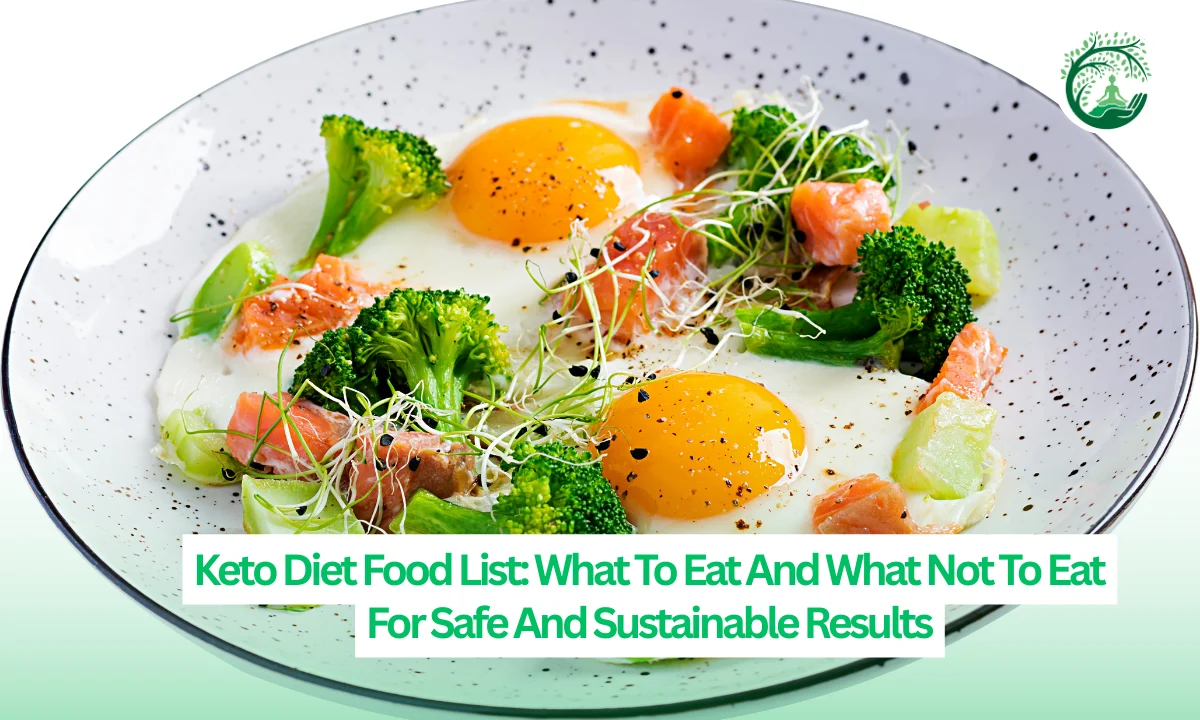
Keto Diet Food List: What To Eat And What Not To Eat For Safe And Sustainable Results
Keto diet what to eat and what not to eat is one of the most searched questions by people who want to start a low-carb lifestyle. The ketogenic diet focuses on eating high-fat, moderate-protein, and very low-carbohydrate foods so the body can shift into a state called ketosis. In this state, the body uses fat as its main energy source instead of carbohydrates.
Many people are attracted to keto because of simple food rules and visible short-term results. At the same time, public discussions show mixed opinions about its long-term sustainability and side effects. Understanding which foods support ketosis and which foods disturb it is the most important step before trying this eating pattern.
Key Takeaways
- Keto diet focuses on high fat, moderate protein, and very low carbohydrates.
- Foods like meat, eggs, healthy fats, and non-starchy vegetables are allowed.
- Sugar, grains, starchy vegetables, and most fruits should be avoided.
- Public opinion highlights benefits like energy and reduced cravings but also mentions challenges.
- A balanced and informed approach is necessary for long-term safety.
Also Read: South Indian Keto Diet Plan Vegetarian: 7 Day Meal Chart With Easy Low Carb Recipes
What Is The Keto Diet And How It Works?
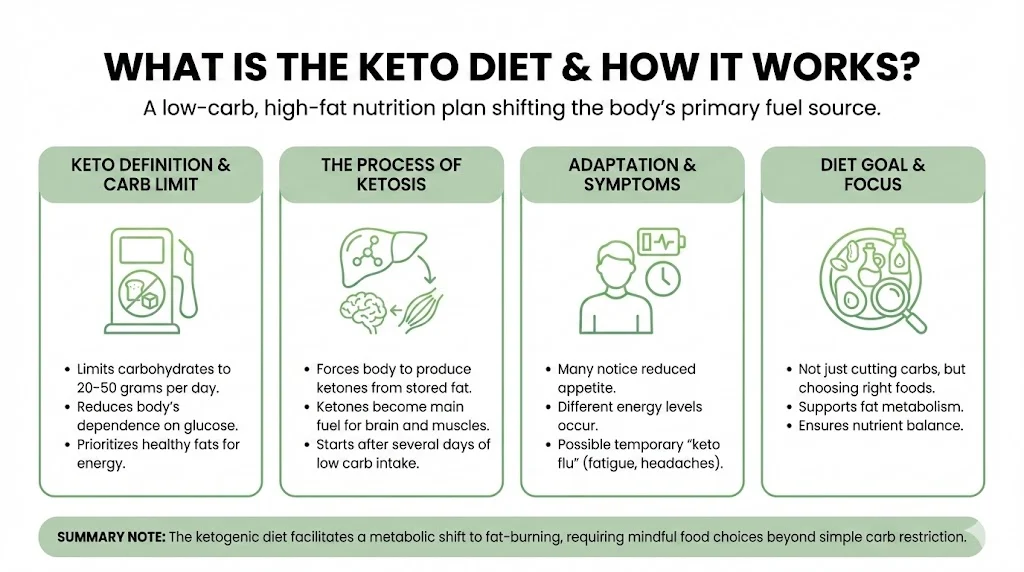
The ketogenic diet is a nutrition plan that limits carbohydrates to around 20 to 50 grams per day. This forces the body to reduce its dependence on glucose and instead produce ketones from stored fat. Ketones become the main fuel for the brain and muscles.
This process is called ketosis. It usually starts after several days of low carbohydrate intake. During this time, many people notice changes such as reduced appetite and different energy levels. Some also experience temporary symptoms like fatigue or headaches, often called keto flu.
The goal of the keto diet is not just cutting carbs but choosing the right type of foods that support fat metabolism and nutrient balance.
What To Eat On The Keto Diet?
Keto friendly foods are low in carbohydrates and rich in healthy fats and proteins. These foods help maintain ketosis and provide essential nutrients.
Main Food Groups Allowed On Keto
1. Meat And Poultry
Beef, chicken, turkey, pork, and lamb are common choices. Fresh and unprocessed meat contains almost zero carbohydrates. Fatty cuts are preferred because fat becomes the main energy source.
2. Fish And Seafood
Salmon, sardines, tuna, shrimp, and shellfish are popular on keto. They provide protein and healthy fats like omega-3. Many people choose fish for variety and nutrition.
3. Eggs
Eggs are one of the easiest keto foods. They contain protein, fats, and important vitamins. They are also flexible for meals such as breakfast or snacks.
4. Healthy Fats And Oils
Butter, olive oil, coconut oil, and avocado oil are core keto fats. These are used for cooking and dressing food. Avocados themselves are also highly recommended because they are rich in fat and potassium.
5. Non-Starchy Vegetables
Leafy greens and low-carb vegetables are allowed in moderate amounts. Examples include spinach, cauliflower, broccoli, zucchini, cucumber, and bell peppers.
6. Dairy In Moderation
Cheese, full-fat yogurt, and heavy cream can be included if they are unsweetened. Portion control is important because dairy still contains some carbohydrates.
7. Nuts And Seeds
Almonds, walnuts, chia seeds, flaxseeds, and pumpkin seeds are allowed in small quantities. They provide fiber and fats but can raise carb intake if eaten in large amounts.
8. Berries In Small Portions
Strawberries, raspberries, and blackberries are lower in sugar compared to other fruits. They are usually consumed in limited quantities.
What Not To Eat On The Keto Diet?
Certain foods can push the body out of ketosis because of high carbohydrate content. These foods are generally avoided or strictly limited.
Foods To Avoid Or Limit
1. Sugar And Sweets
Candy, cakes, pastries, honey, syrups, and sugary desserts are not keto friendly. These foods raise blood sugar quickly.
2. Grains And Starches
Bread, pasta, rice, cereals, and flour-based foods contain high carbs and disrupt ketosis.
3. Starchy Vegetables
Potatoes, sweet potatoes, corn, and peas are high in carbohydrates and should be avoided.
4. High-Sugar Fruits
Bananas, grapes, mangoes, and apples contain natural sugar and exceed daily carb limits.
5. Legumes And Beans
Beans, lentils, and chickpeas are nutritious but too high in carbohydrates for strict keto.
6. Sweetened Drinks And Juices
Fruit juice, soda, and flavored beverages increase sugar intake and reduce ketosis stability.
7. Processed And Junk Foods
Chips, crackers, and packaged snacks often contain hidden sugars and refined carbs.
Keto Diet Food List Table
| Food Category | Allowed Foods | Foods To Avoid |
|---|---|---|
| Proteins | Beef, chicken, fish, eggs | Breaded meats, sweet sauces |
| Vegetables | Spinach, cauliflower, broccoli | Potatoes, corn, peas |
| Fruits | Berries, avocado | Banana, mango, grapes |
| Dairy | Cheese, heavy cream, full-fat yogurt | Sweetened yogurt, flavored milk |
| Drinks | Water, unsweetened tea, coffee | Soda, juice, sugary drinks |
| Snacks | Nuts, seeds (small amounts) | Chips, cookies, crackers |
Sample Keto Meal List
- Breakfast: Eggs cooked in butter with spinach
- Lunch: Grilled chicken with avocado and salad
- Dinner: Salmon with cauliflower rice
- Snack: A small handful of almonds or cheese slices
This list shows how meals can be simple and still follow keto rules.
Public Opinion On Keto Diet From Social Media
Public discussions on social platforms show strong interest in keto. Many users share personal success stories about weight loss and improved energy. Some mention reduced cravings and better mental focus after adjusting to low-carb eating.
People often praise keto meals because they feel satisfying and easy to prepare. Foods like eggs with bacon, beef salads with avocado, and grilled meats with butter are described as enjoyable and filling.
Mental clarity and mood improvement are also mentioned by users who follow keto long term. Some people link keto with better sleep and fewer energy crashes during the day.
However, there are also critical opinions. Some users say keto is hard to maintain for months or years. Others talk about side effects like fatigue, constipation, and nutrient imbalance. Athletes and gym users sometimes report reduced performance due to low carbohydrate intake.
Overall, public opinion leans positive among those who follow keto seriously, but concerns remain about long-term balance and sustainability.
Benefits And Challenges Of The Keto Diet
Potential Benefits
- Reduced carbohydrate intake
- Better control over food choices
- Appetite regulation
- Simple food structure
Common Challenges
- Keto flu during early days
- Limited food variety
- Risk of nutrient deficiency if poorly planned
- Difficulty maintaining socially
The keto diet requires planning and awareness of food labels. It is not just about avoiding carbs but also about choosing quality fats and proteins.
Important Safety Notes
The keto diet is a restrictive eating pattern. It may not suit everyone. People with medical conditions or those taking medication should consult a healthcare professional before starting.
Long-term research on keto is still limited. A balanced and flexible approach is often easier to follow than extreme restriction.
Hydration and electrolytes are important because low carbs can affect water and mineral balance in the body.
Final Thoughts
Knowing keto diet what to eat and what not to eat makes the journey easier and safer. The focus should be on whole foods like meat, eggs, fish, vegetables, and healthy fats while avoiding sugar, grains, and processed items.
Public opinion shows strong admiration for quick results and mental clarity, but also warns about sustainability and side effects. Keto can be effective for some people when followed carefully and with proper understanding.
A thoughtful approach with nutritional balance and medical guidance helps reduce risks and improves long-term success.
Tags: keto diet food list, what to eat on keto, foods to avoid on keto, ketogenic diet guide, low carb foods, healthy fats, keto lifestyle
Related Posts :


Share This Post