Mindful Breathing Techniques for Relaxation and Stress Awareness
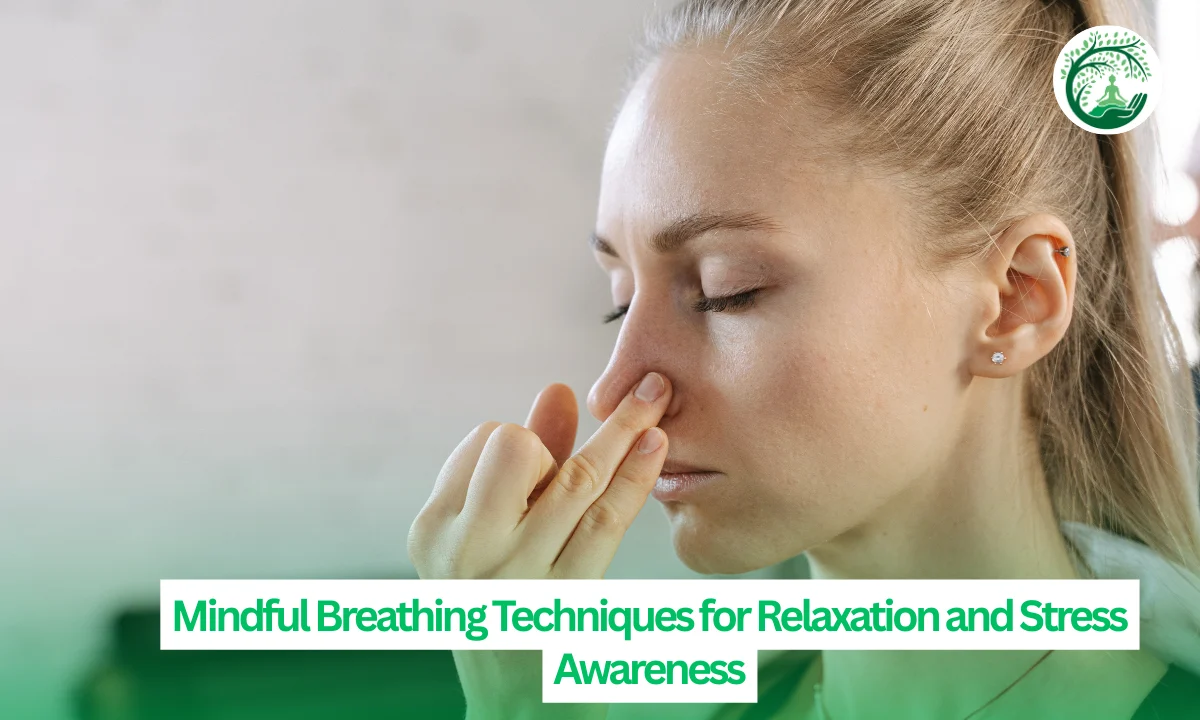
Mindful Breathing Techniques for Relaxation and Stress Awareness
Breathing techniques to manage feelings of nervousness are simple awareness exercises that focus on slowing and steadying the breath. These methods are commonly discussed as relaxation practices that help people feel more balanced during stressful moments. When a person feels tense, breathing often becomes shallow and fast. Gentle, controlled breathing encourages the body to shift toward a calmer state.
Many people experience mental pressure during work, studies, or busy daily routines. Breathing exercises are easy to learn, do not require equipment, and can be practiced almost anywhere. Wellness apps and mindfulness programs have made these techniques more popular as people look for natural ways to support emotional balance and focus.
Key Takeaways
- Slow breathing patterns are commonly used to promote relaxation
- Box breathing helps improve focus and awareness of breath
- Cyclic sighing is often included in mindfulness routines
- Diaphragmatic breathing supports steady and deep breathing habits
- These techniques require no equipment and can be practiced anywhere
- Regular practice may help develop better stress awareness
Also Read: Natural Ways to Improve Mental Clarity Every Day: Simple Steps for a Sharper Mind
How Breathing Exercises Support Relaxation
Breathing patterns are closely linked to how the body responds to stress. During tense situations, breathing may become quick and uneven. Slow and steady breathing encourages the body to return to a more balanced rhythm. This process is often associated with the body’s natural relaxation response.
The vagus nerve is part of the system that connects the brain with several organs. Gentle breathing practices are commonly described as one way to encourage calm signals throughout the body. This may be felt as slower breathing, a steadier heartbeat, and a general sense of ease.
Many wellness studies discuss the value of mindful breathing as part of daily self-care routines. Making the exhale slightly longer than the inhale is often recommended in relaxation practices. These techniques can be done while sitting, standing, or lying down.
Top 5 Breathing Techniques Commonly Practiced
4-7-8 Breathing Method
This method involves breathing in through the nose for four counts, holding for seven counts, and breathing out slowly for eight counts. It is often included in relaxation and mindfulness routines. The long exhale helps encourage a slower breathing rhythm.
Many people practice this technique before resting or during quiet moments of the day. The structured counting pattern helps keep attention on breathing rather than on stressful thoughts.
Box Breathing Technique
Box breathing follows a simple four-step pattern: inhale for four counts, hold for four counts, exhale for four counts, and hold again for four counts. This method is often used in focus and mindfulness training.
The equal timing of each step encourages steady breathing and mental awareness. Many people use this method before presentations, studying, or quiet reflection.
Cyclic Sighing
This technique involves taking a slow inhale through the nose, adding a short second inhale, and then releasing the breath slowly through the mouth. The emphasis is on making the exhale longer and smoother.
Cyclic sighing is often practiced as part of daily breathing routines and mindfulness sessions. It focuses on gentle lung expansion and relaxed exhalation.
Diaphragmatic Breathing
This method encourages breathing from the belly rather than the chest. One hand can be placed on the chest and one on the abdomen to observe the movement of breath.
Diaphragmatic breathing is commonly used in relaxation exercises and yoga practices. It promotes slower and deeper breathing patterns.
Pursed Lip Breathing
This technique involves inhaling through the nose and exhaling slowly through gently pursed lips. The slow release of air encourages controlled breathing.
Because it can be done quietly, many people practice this method in public places or during short breaks.
Choosing a Technique for Different Situations
Some techniques are better suited for quiet settings, while others can be practiced during busy moments. For example, slow breathing patterns may be used before rest, while box breathing can support focus before tasks that require attention. Daily breathing routines are often practiced in the morning or evening.
Regular practice helps make breathing exercises feel more natural over time. Even a few minutes of mindful breathing can become part of a daily wellness routine.
Common Mistakes to Avoid
Breathing too quickly or forcefully may feel uncomfortable for some people. It is important to keep movements slow and gentle. Beginners can start with shorter counts and gradually increase them.
Breathing should feel natural and relaxed. These exercises are best practiced in a safe and comfortable environment. Everyone may experience them differently, so listening to your body is important.
Tips for Daily Practice
Choose a calm and comfortable place to practice. Sitting or lying down works well for most people. Setting a daily reminder can help create consistency. Short sessions of five minutes are a good starting point.
Some people like to notice how they feel before and after practice. Over time, breathing exercises may become a regular part of personal wellness habits alongside walking, stretching, or quiet reflection.
Why Breathing Exercises Are Widely Practiced
Breathing exercises are often included in wellness and mindfulness programs because they help people become more aware of their breathing patterns. Slow breathing is associated with relaxation and steady body rhythms.
These practices are connected to the body’s natural response to calm environments. Over time, people may find it easier to return to a relaxed breathing pattern during stressful moments.
Many wellness reviews suggest that consistent breathing practice supports emotional balance and general well-being as part of a healthy lifestyle.
Conclusion
Breathing techniques offer a simple and accessible way to support relaxation and stress awareness. Whether practicing 4-7-8 breathing, box breathing, or cyclic sighing, consistency is more important than perfection. Starting with a few minutes each day can help build a mindful breathing habit over time.
Tags: breathing techniques, relaxation exercises, stress awareness, mindful breathing, box breathing, wellness habits, mental clarity tips
Related Posts :





Share This Post