Mobility Exercises That Improve Strength and Flexibility: Your Complete Guide
Mobility Exercises That Improve Strength and Flexibility: Your Complete Guide
Mobility exercises that improve strength and flexibility are changing how people approach fitness in 2025. These movements help you build muscle while expanding your range of motion at the same time. You do not need fancy equipment or hours at the gym.
Just 5 to 10 minutes daily can make your body feel younger and move better. Many people in their 40s and 50s report feeling like they are 20 again after making mobility work a regular habit. The secret lies in combining strength with flexibility rather than doing them separately.
This approach targets your hips, spine, shoulders and ankles to counteract the stiffness from sitting all day.
Key Takeaways
- Mobility training combines strength and flexibility in single movements for maximum efficiency
- Daily 5-10 minute routines deliver better results than longer weekly sessions
- Hip and spine mobility are most important for desk workers and reduce lower back pain
- End-range strength training prevents injuries better than passive stretching alone
- Mobility work helps older adults maintain independence and feel decades younger
- No equipment needed for most effective mobility exercises
- Consistency matters more than intensity when building sustainable habits
Also Read: Common Workout Mistakes and How to Fix Them: Your Guide to Smarter Training
Understanding Mobility vs Flexibility
Mobility means your joints can move freely through their full range while maintaining control and strength. Flexibility simply refers to how far your muscles can stretch. Think of mobility as active movement and flexibility as passive stretching.
When you do a deep squat with control that is mobility. When someone pushes your leg to stretch your hamstring that is flexibility. Your body needs both but mobility gives you functional strength you can use in real life. It helps you pick things off the floor, reach overhead cabinets and play with your kids without pain.
The best mobility exercises challenge your muscles to stay strong at extreme positions. This builds what experts call end-range strength. Your joints become stable and powerful even when fully extended or flexed. Regular flexibility work alone cannot provide this benefit.
That is why static stretching before workouts has fallen out of favor. Dynamic mobility movements prepare your body better and reduce injury risk more effectively.
Top Mobility Exercises for Daily Practice
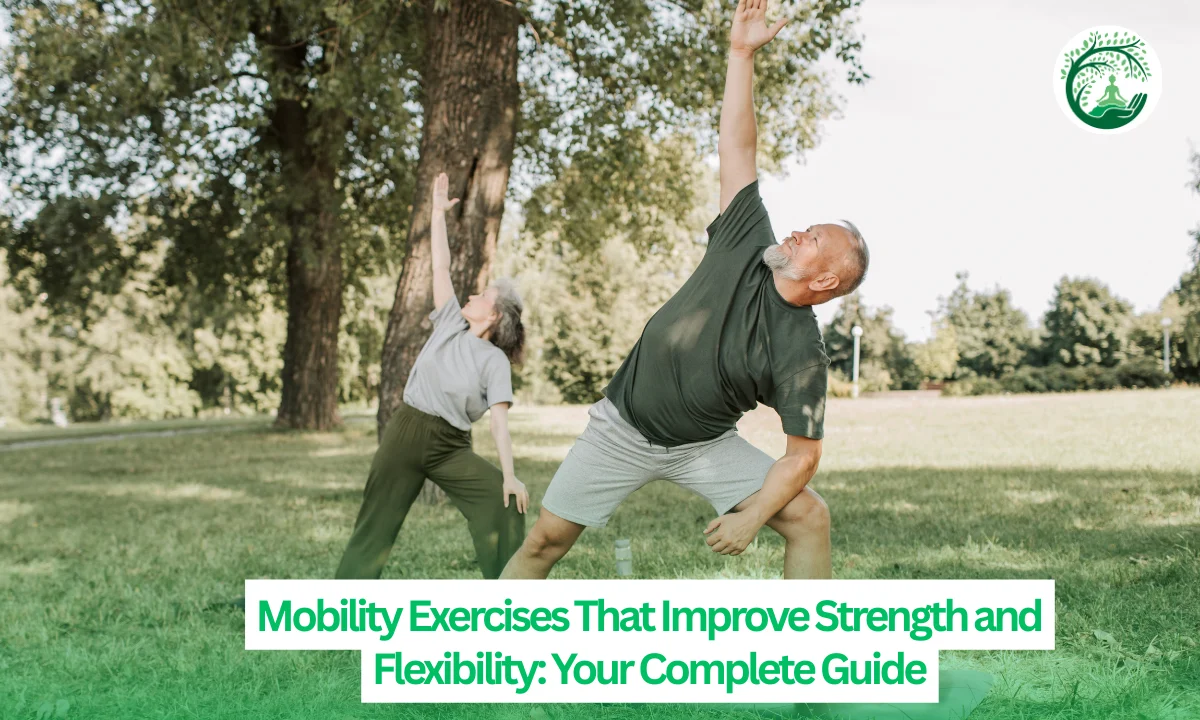
The world’s greatest stretch deserves its name because it targets multiple areas at once. You start in a plank position then step one foot outside your hand into a deep lunge. Drop your opposite forearm toward the ground between your planted foot and hand.
Hold briefly then rotate your torso and reach your arm toward the ceiling. This single movement opens your hips, stretches your hip flexors, mobilizes your thoracic spine and activates your core. Do 8 to 10 reps on each side to feel immediate benefits.
Cossack squats build lateral hip strength while improving flexibility in a single exercise. Stand with feet wide apart then shift your weight to one side and bend that knee deeply. Keep your opposite leg straight and foot flat on the ground.
Push back to center and repeat on the other side. This movement pattern strengthens muscles you rarely use in forward-backward movements. Your adductors and abductors get stronger while your hip socket gains mobility in all directions.
Hip CARs or controlled articular rotations teach your hips to move through their complete range with precision. Stand on one leg and lift your other knee up and across your body. Circle it out to the side then behind you before returning to start.
Move slowly and deliberately to build control at every angle. This exercise is perfect for morning routines because it wakes up your hip joints and surrounding muscles. Do 6 to 8 circles in each direction on both legs.
Building a Simple Daily Routine
Your morning mobility flow should take just 5 to 10 minutes before breakfast or coffee. Start with cat cow movements on all fours to warm up your spine. Arch your back while looking up then round it while tucking your chin. Do this 8 times to lubricate your spinal joints.
Next move into downward dog and add hip openers by bending one knee then the other. This combination stretches your calves, hamstrings and shoulders while building upper body strength.
Follow with 90/90 hip switches by sitting on the floor with both knees bent at right angles. Rotate your knees from side to side keeping your heels planted. This drill improves internal and external hip rotation simultaneously.
Finish with thoracic rotations by lying on your side with knees bent. Reach your top arm across your body then open it up toward the ceiling. Your upper back will feel loose and ready for the day ahead.
Evening routines can focus on unwinding tight areas from work or exercise. Thread the needle stretches release shoulder and upper back tension. Start on hands and knees then slide one arm under your body and across to the opposite side.
Rest your shoulder and head on the ground while your other hand stays planted. Hold for 30 seconds on each side while breathing deeply. Add figure 4 windshield wipers for your hips by lying on your back with one ankle crossed over the opposite thigh. Rotate your legs side to side slowly to massage the hip muscles.
Mobility for Different Age Groups
People in their 30s benefit most from hip and thoracic spine work because desk jobs create tightness in these areas. Focus on movements that counteract sitting like split squats, deep squats and spinal extensions.
These exercises prevent the forward head posture and rounded shoulders that develop from computer work. Building good habits now makes staying active much easier as you age. Just 10 minutes before bed can reverse hours of poor posture from the workday.
Those over 40 should prioritize exercises that maintain independence and prevent falls. Balance work becomes crucial so include single leg movements in your routine. Ankle mobility drills help you walk confidently on uneven surfaces.
Shoulder pass throughs with a broomstick maintain overhead reaching ability. Many older adults discover they can still touch their toes or do deep squats with consistent practice. The key is starting gently and building up gradually over weeks and months.
Athletes and gym enthusiasts need mobility work to enhance performance and recovery. Pre-workout mobility routines prepare joints for heavy loads and explosive movements. Post-workout sessions speed up recovery and reduce next-day soreness.
Sports like golf, wrestling and basketball demand specific mobility patterns. Golfers need thoracic rotation for powerful swings. Wrestlers require extreme hip mobility for takedowns. Basketball players benefit from ankle and hip work for jumping and cutting movements.
Common Mistakes to Avoid
Rushing through movements defeats the purpose of mobility training. Each position should be held briefly to allow your nervous system to recognize and adapt. Moving too quickly turns mobility work into cardio which misses the point entirely.
Aim for controlled deliberate movements that challenge your end ranges. If you cannot slow down and maintain good form you are probably trying positions too advanced for your current level.
Skipping daily practice leads to inconsistent results and frustration. Mobility improvements require regular stimulus just like strength gains. Doing an hour-long session once per week will not work as well as 10 minutes daily. Your body adapts to what you do most often. Make mobility part of your morning routine like brushing your teeth. The compound effect of small daily efforts produces dramatic changes over months and years.
Ignoring pain signals can lead to injury rather than improvement. Mobility work should feel challenging but never sharp or shooting.
Dull stretching sensations are normal but anything that makes you wince or hold your breath means you have gone too far. Back off slightly and work within a comfortable range. Progress comes from consistent gentle pressure not forcing your body into positions it is not ready for yet.
Tracking Your Progress
Film yourself doing basic movements like squats, lunges and overhead reaches every few weeks. Compare videos to see improvements in depth, control and range of motion. This visual feedback motivates you more than abstract measurements.
You will notice your squat getting deeper or your lunge position improving over time. These tangible changes prove your consistency is paying off even when progress feels slow day to day.
Keep a simple journal noting how your body feels after each session. Write one or two sentences about tight spots, improvements or exercises that felt particularly good. Over months you will see patterns emerge.
Certain movements might consistently help your lower back while others target hip tightness effectively. This personal data helps you customize your routine for maximum benefit. You learn what your body needs most and when.
Working with a trainer or physical therapist provides professional assessment and personalized guidance. They can identify movement limitations you might miss on your own. A mobility screening reveals specific areas needing attention and tracks objective improvements.
Professional input accelerates your progress and prevents you from wasting time on exercises that do not address your unique needs. Even a few sessions can provide valuable insights for independent practice.
Related Posts :




Share This Post