My Experience Using Yoga to Improve Lower Back and Hip Mobility
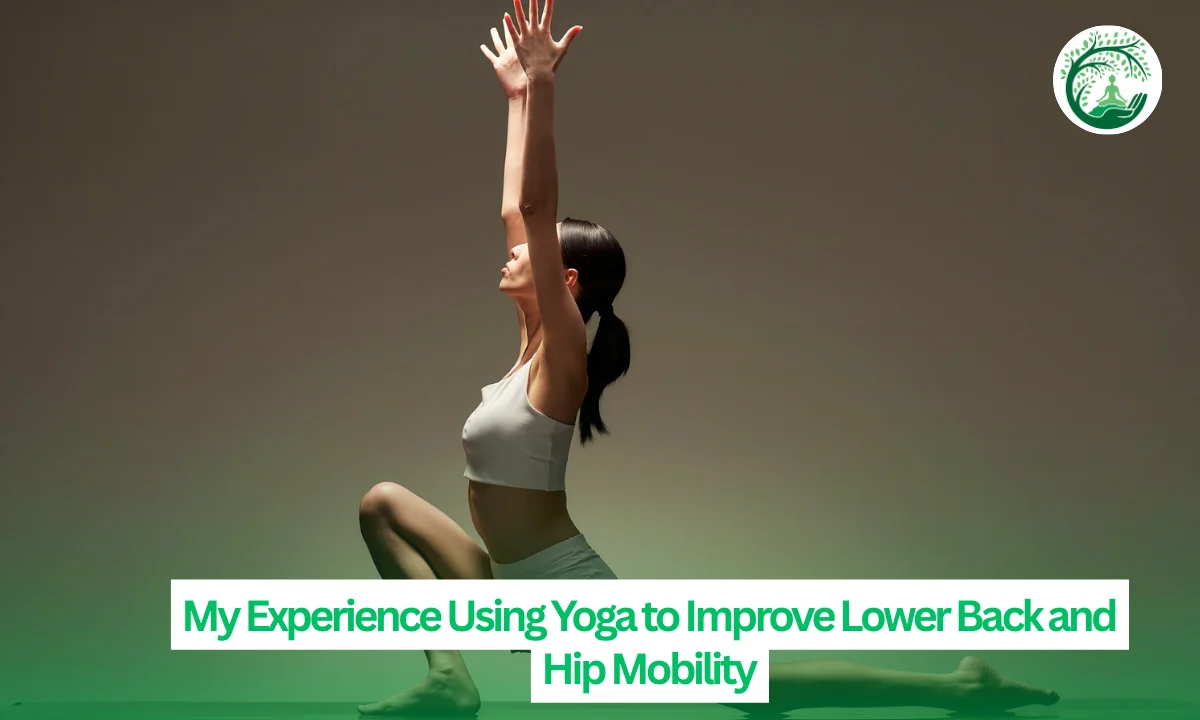
My Experience Using Yoga to Improve Lower Back and Hip Mobility
My interest in yoga began during a phase when I was experiencing recurring discomfort along my lower back and leg, especially after long periods of sitting. At that time, even staying seated for short durations felt uncomfortable, and I started exploring gentle movement practices to support my overall mobility and comfort.
Like many people with desk-based routines, I experimented with different lifestyle adjustments such as heat application, rest, and posture awareness. Over time, I also became curious about yoga as a form of mindful movement and flexibility training.
Long hours of sedentary work and limited physical activity had clearly taken a toll on how my body felt day to day. The physical discomfort also influenced my sleep quality, energy levels, and general mood, which motivated me to look for sustainable, non-invasive ways to improve my daily movement.
Rather than viewing yoga as a medical solution, I approached it as a gentle practice focused on body awareness, stretching, and strengthening. With guidance from experienced instructors and reliable educational resources, I began incorporating simple poses into my routine to support flexibility and posture.
Key Takeaways
- Yoga emphasizes gentle stretching and controlled movements that support overall flexibility and muscle balance
- Beginner-friendly poses encourage relaxation and body awareness without placing excessive strain on the lower back
- Regular short sessions are often easier to maintain than infrequent long practices
- Mindful movement involves avoiding positions that feel uncomfortable or forced
- Combining yoga with good posture habits and light physical activity can support general well-being
Understanding Lower Back and Leg Discomfort
Discomfort that starts around the lower back and travels through the hips and legs is commonly discussed in relation to posture, muscle tightness, and prolonged sitting. Many educational sources explain that large nerve pathways pass through this region, making it sensitive to compression or tension.
In my case, limited hip mobility and extended sitting appeared to contribute to stiffness around the hip area. This is a common experience for people who spend long hours at desks or working on computers.
I noticed sensations such as tightness, tingling, or discomfort during transitions like standing up after sitting for a long time. Becoming aware of these patterns helped me better understand my movement limitations.
Recognizing how certain movements felt allowed me to approach yoga more mindfully and choose poses that emphasized comfort and controlled range of motion.
Yoga Poses I Practiced for Mobility and Comfort
Child’s Pose was one of the first positions I practiced regularly. It is a resting pose that encourages gentle spinal lengthening and relaxed breathing. Spending a few minutes in this position helped me slow down and release general tension.
Reclined Pigeon Pose became part of my routine as a hip-opening stretch. Practicing it slowly and within a comfortable range helped improve flexibility around the hips without placing pressure on the spine.
Downward Facing Dog supported overall body stretching, particularly along the back of the legs and spine. Modifying the pose by bending the knees allowed me to adapt it to my current flexibility level.
Cobra Pose was included as a gentle back-strengthening movement. I focused on lifting the chest slightly rather than pushing into a deep bend, keeping the movement controlled and comfortable.
Bridge Pose helped me become more aware of my core and hip engagement. Holding the pose briefly while maintaining steady breathing encouraged stability and alignment.
Knees to Chest Pose was a simple way to relax the lower back after longer days. Rocking gently from side to side provided a calming, restorative sensation.
Movements I Learned to Be Cautious With
Through observation, I noticed that deep forward folds and forceful twisting movements felt uncomfortable for my body at the time. Temporarily avoiding these poses helped me stay within a comfortable range of motion.
I also learned that yoga is not about pushing through discomfort. Gentle, controlled practice felt more supportive than intense stretching.
Paying attention to how my body responded became more important than achieving any specific pose.
A Simple Daily Yoga Routine
I practiced yoga for about 20 to 25 minutes most mornings. My sequence included Cat Cow for spinal movement, followed by Child’s Pose, Downward Facing Dog, gentle backbends, hip-opening stretches, and Knees to Chest.
Ending the session with Legs Up the Wall allowed me to relax and reset before starting my day.
Over time, this consistent routine helped me feel more comfortable in daily activities and more aware of my posture and movement habits.
Final Thoughts
Yoga has become a supportive part of my wellness routine by encouraging mindful movement, flexibility, and relaxation. Everyone’s body is different, so it is important to move within personal comfort levels and seek professional guidance when needed.
This experience reminded me that small, consistent lifestyle practices can play a meaningful role in supporting overall physical well-being.
Tags: yoga practice, mindful movement, lower back mobility, hip flexibility, beginner yoga poses, wellness routines
Related Posts :





Share This Post