Sweet Potato Benefits For Weight Loss: 7 Reasons It Supports Fat Loss Naturally
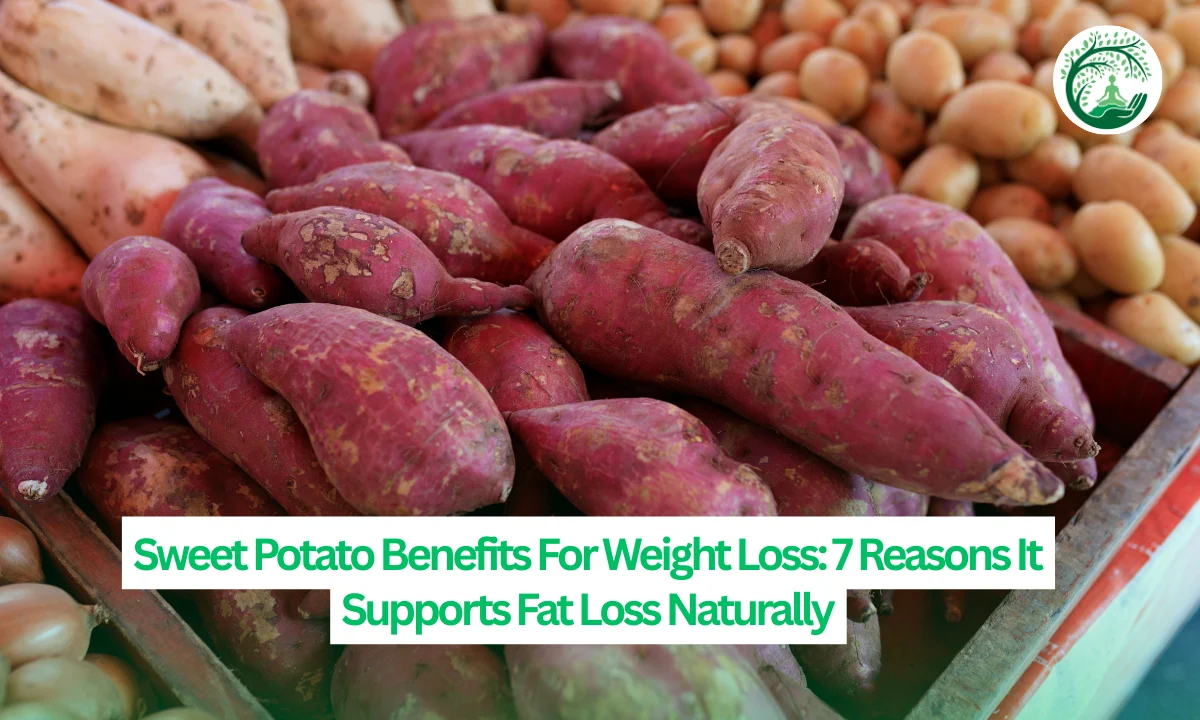
Sweet Potato Benefits For Weight Loss: 7 Reasons It Supports Fat Loss Naturally
Sweet potato benefits for weight loss are gaining attention as more people look for filling and nutrient-dense foods that support a calorie deficit without extreme dieting. Unlike refined carbs that spike blood sugar and increase hunger, sweet potatoes are often praised for stable energy, high fiber, and better portion control. Many people on balanced diets include them as a smart carb choice rather than eliminating carbs completely.
Public discussions across social platforms show strong support for sweet potatoes as a sustainable fat loss food. They are not a magic solution, but when prepared simply and eaten in moderation, they can help reduce cravings, improve satiety, and make dieting easier to follow long term.
Key Takeaways
- Sweet potatoes are high in fiber and promote fullness
- They have moderate calories with high nutrient density
- Their glycemic index is lower than regular potatoes when cooked properly
- Resistant starch may support gut health and appetite control
- Cooking method and portion size matter for weight loss
Also Read: Best Smoothie Recipes For Weight Loss: 7 Filling Blends Under 400 Calories
Why Sweet Potatoes Are Considered Weight Loss Friendly
Weight loss happens when you maintain a calorie deficit. The challenge is staying full and energized while eating fewer calories. This is where sweet potatoes become useful.
They are rich in complex carbohydrates. Complex carbs digest slowly. This prevents sudden hunger spikes. A medium sweet potato contains around 4 to 6 grams of fiber. Fiber slows digestion and increases fullness.
They also contain around 100 to 180 calories depending on size. This makes them lower in calorie density compared to many processed carb foods.
People often describe sweet potatoes as satisfying. On social platforms, users call them incredibly filling and ideal for volume eating during fat loss phases.
Fiber Content And Appetite Control
Fiber is one of the biggest reasons sweet potatoes support weight management.
Soluble fiber forms a gel-like texture in the digestive system. This slows digestion and keeps you full for longer periods. When you feel full, you naturally reduce snacking and total calorie intake.
Research from recent years suggests that higher fiber intake is associated with modest reductions in body weight and body fat over time.
Here is a quick comparison:
| Nutrient (Medium Sweet Potato) | Approximate Value |
|---|---|
| Calories | 112 |
| Fiber | 3.5 to 4.5 g |
| Water Content | ~75% |
| Vitamin A | Over 100% DV |
| Vitamin B6 | 10 to 15% DV |
High water content also adds volume without adding excess calories. This supports appetite control.
Blood Sugar Balance And Steady Energy
One reason sweet potatoes are preferred over refined carbs is their lower glycemic response when boiled or baked.
The glycemic index varies depending on preparation. Boiled sweet potatoes have a lower GI compared to fried versions. Lower GI foods release glucose slowly into the bloodstream.
Stable blood sugar helps reduce cravings. It also prevents sudden energy crashes that often lead to overeating.
Many people managing cravings mention that sweet potatoes help them feel stable throughout the day instead of experiencing sugar highs and lows.
Resistant Starch And Gut Health Support
Some varieties of sweet potatoes contain resistant starch. Resistant starch behaves similarly to fiber. It passes through the digestive system without being fully broken down.
This supports gut bacteria. A healthier gut may contribute to improved metabolism and appetite regulation.
While sweet potatoes alone will not transform metabolism, including resistant starch foods in a balanced diet can support overall digestive health.
Public Opinion On Sweet Potatoes For Weight Loss
Recent discussions on X show strong positive sentiment.
Many users share practical tips. One popular method involves air frying sweet potatoes at 400°F for around 35 minutes. Users describe this as satisfying and easy to include in a fat loss routine.
Others mention that sweet potatoes reduce hunger better than rice or bread. Some call them a “smart carb” rather than an empty calorie food.
There are also balanced voices. Some people remind others that portion size matters. Eating large quantities or adding high-calorie toppings can cancel out benefits.
Overall sentiment leans toward sustainable use instead of extreme dieting trends.
Cooking Method Makes A Big Difference
Preparation changes calorie impact significantly.
Healthier methods:
- Boiling
- Baking
- Roasting with minimal oil
- Air frying with light seasoning
Methods to limit:
- Deep frying
- Heavy butter or sugar toppings
- Sweet casseroles with added syrups
Frying increases calorie content because oil is absorbed. Even healthy foods can become high calorie depending on preparation.
Keeping the skin on preserves fiber content. Simple seasoning like salt, pepper, cumin, or paprika keeps it light and flavorful.
How To Include Sweet Potatoes In A Weight Loss Diet
Here are simple ways to use them effectively:
- Replace refined carbs
Swap white bread or processed snacks with baked sweet potato slices. - Pair with protein
Combine with eggs, lentils, grilled chicken, or tofu to increase satiety. - Watch portion size
One medium sweet potato is usually enough per meal. - Avoid sugary toppings
Natural sweetness is enough for most people. - Use as pre-workout carb
Provides steady energy without a crash.
Can Sweet Potatoes Reduce Belly Fat
There is no single food that directly targets belly fat. Fat loss happens when total calorie intake stays lower than total calorie expenditure.
However, sweet potatoes may support belly fat reduction indirectly by:
- Reducing overall hunger
- Supporting stable blood sugar
- Helping maintain a calorie deficit
- Replacing processed carbohydrates
Some recent randomized trials using white sweet potato meal replacements showed around 5% reductions in body weight and fat mass over 8 weeks when combined with calorie control.
It is important to understand that these results came from structured diet plans, not from eating sweet potatoes alone.
Common Mistakes People Make
Even healthy foods can contribute to weight gain if misused.
Common mistakes include:
- Overeating large portions
- Adding butter, sugar, or heavy sauces
- Assuming they are low carb
- Using them in desserts frequently
Balance is key. Sweet potatoes work best as part of a varied diet that includes vegetables, protein, and healthy fats.
Final Thoughts
Sweet potatoes can support weight loss when included in a balanced and calorie-controlled diet. Their fiber, water content, and steady energy release make them a smart carb choice for many people.
They are not a miracle fat burning food. They are simply a nutrient-dense option that makes dieting easier to sustain.
Public opinion strongly supports them as a filling and satisfying alternative to refined carbs. When prepared simply and eaten mindfully, they can be a helpful ally in long-term fat loss.
Tags: sweet potato benefits for weight loss, sweet potato diet, shakarkandi for weight loss, high fiber foods, low glycemic foods, resistant starch benefits, healthy carbs for fat loss
Related Posts :



Share This Post