The Difference Between Yoga Styles: Vinyasa Hatha Ashtanga Yin
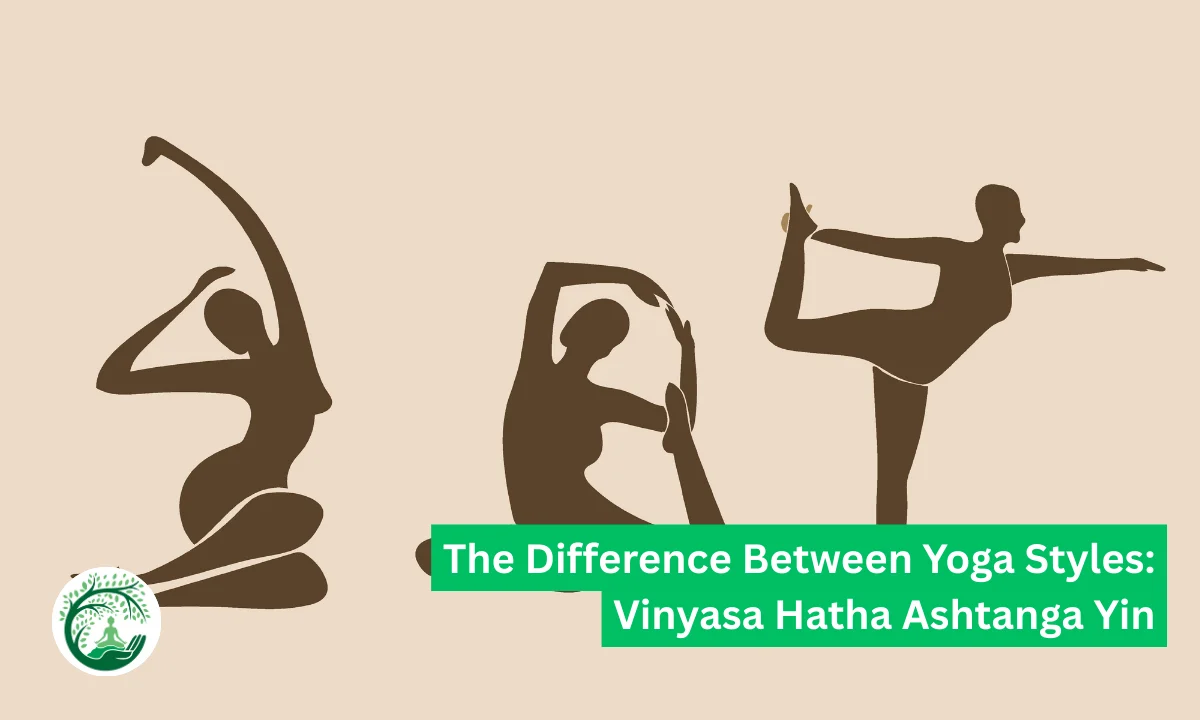
The Difference Between Yoga Styles Vinyasa Hatha Ashtanga Yin
Yoga has become one of the most popular wellness practices in India and worldwide. But walking into a yoga class without knowing the difference between yoga styles can feel confusing. You might expect a gentle stretch and end up in an intense workout or vice versa.
Understanding the difference between yoga styles helps you choose the practice that matches your fitness level and wellness goals.
Whether you want to build strength, improve flexibility, reduce stress or find inner peace, there is a yoga style designed for you. The four main styles that dominate modern yoga practice are Vinyasa, Hatha, Ashtanga and Yin.
Each offers unique benefits and follows different philosophies. In this guide we will break down these popular yoga styles so you can make an informed choice about your practice.
Key Takeaways
- Vinyasa yoga is a flowing dynamic practice that synchronizes breath with movement and is ideal for those seeking variety and cardio benefits
- Hatha yoga focuses on foundational poses with slow deliberate movements making it perfect for beginners and stress relief
- Ashtanga yoga follows a fixed rigorous sequence requiring discipline and is best suited for advanced practitioners seeking physical challenge
- Yin yoga involves passive floor based stretches held for 3 to 5 minutes targeting deep tissues and promoting emotional release
- All four styles connect breath to body but differ significantly in pace intensity and primary focus areas
Also Read: Bedtime Yoga Sequence for Deep, Restful Sleep: Your Guide to Better Night’s Rest
Understanding Basic Yoga Concepts
Yoga is more than just physical exercise. The word yoga comes from Sanskrit meaning to unite or join. It represents the union of body mind and breath. Modern yoga practice includes physical postures called asanas, breathing techniques known as pranayama and meditation for mental clarity.
The ancient sage Patanjali outlined eight limbs of yoga in his yoga sutras which form the philosophical foundation of all yoga styles. These principles include ethical guidelines, physical practice, breath control and meditation.
Every yoga style whether dynamic or gentle draws from this traditional foundation while emphasizing different aspects based on its unique approach.
Vinyasa Yoga Flow and Movement
Vinyasa yoga is often called flow yoga because movements transition smoothly from one pose to another. Each movement is synchronized with your breath creating a dance like quality. Classes typically last 45 to 75 minutes and instructors have creative freedom to design unique sequences.
This style builds internal heat through continuous movement which helps detoxify the body and improve cardiovascular endurance.
Sun salutations form the foundation of most Vinyasa classes. The practice uses ujjayi breathing which creates an audible sound helping you maintain rhythm and focus. Vinyasa is ideal for people who enjoy variety and want a more energetic meditation in motion.
Many studios play music during Vinyasa classes to enhance the flowing experience. This style suits intermediate practitioners who have some yoga experience and want to explore creative sequences while building strength and flexibility.
Hatha Yoga Foundations and Balance
Hatha yoga is considered the mother of all physical yoga styles. The word Hatha combines ha meaning sun and tha meaning moon representing the balance of opposing forces. This style focuses on foundational poses held for 15 seconds to 2 minutes with emphasis on proper alignment.
Classes move at a slower pace making them perfect for beginners or anyone seeking stress relief without feeling overwhelmed.
Hatha yoga integrates pranayama breathing exercises and often ends with savasana relaxation pose for complete integration. Props like blocks straps and bolsters are commonly used to make poses accessible to all body types.
The practice builds strength and flexibility while teaching you to listen to your body. A typical Hatha class lasts 60 minutes and provides a balanced workout for both body and mind. This gentle approach makes Hatha yoga the ideal starting point for anyone new to yoga or those recovering from injuries.
Ashtanga Yoga Discipline and Structure
Ashtanga yoga is the most physically demanding of the four styles discussed here. It follows six fixed series of poses performed in the same sequence every time. The primary series alone contains over 75 poses and traditionally practitioners practice six days per week.
Classes are self paced following the mysore style where students move through the sequence at their own rhythm while teachers provide individual adjustments. Ashtanga emphasizes bandhas or internal locks and drishti which means focused gaze to enhance concentration.
The practice creates intense heat that is believed to purify the body and mind through sweat. Jumping transitions between poses require significant strength and coordination. This rigorous style appeals to athletic individuals who enjoy measurable progress and thrive on discipline.
Ashtanga classes typically last 90 minutes or longer. The repetitive nature of the sequence allows practitioners to go deeper into poses over time and track their improvement.
Yin Yoga Stillness and Release
Yin yoga takes a completely different approach compared to the dynamic styles. Poses are held passively for 3 to 5 minutes targeting the deep connective tissues and fascia rather than muscles. Most poses are floor based and require minimal muscular effort as gravity does the work.
Props like bolsters blocks and blankets provide support allowing complete relaxation into each stretch. This practice draws from Taoist philosophy and focuses on energy meridians similar to those used in acupuncture.
Yin yoga is deeply meditative encouraging practitioners to observe sensations thoughts and emotions that arise during long holds. Classes typically last 60 minutes and feature silence or soft ambient music.
The style is particularly effective for releasing tension stored in the hips and lower back areas where emotional stress often accumulates.
Yin yoga complements more active practices beautifully and is suitable for all levels including those with limited mobility. Many practitioners find Yin sessions deeply therapeutic for both physical flexibility and emotional wellbeing.
Comparing Vinyasa Hatha Ashtanga and Yin
| Style | Pace | Class Duration | Best For | Key Features |
|---|---|---|---|---|
| Vinyasa | Fast flowing | 45-75 minutes | Variety seekers, cardio lovers | Creative sequences, breath synchronized movement, builds heat |
| Hatha | Slow steady | 60 minutes | Beginners, stress relief | Foundational poses, alignment focus, balanced practice |
| Ashtanga | Rigorous fixed | 90+ minutes | Advanced practitioners | Six series, jumping transitions, self-paced mysore style |
| Yin | Very slow passive | 60 minutes | Flexibility, emotional release | Long holds, floor poses, targets fascia and joints |
Health Benefits of Different Yoga Styles
Each yoga style offers distinct health benefits beyond general fitness. Vinyasa yoga improves cardiovascular health and builds muscular endurance while enhancing coordination and body awareness. The continuous movement helps burn calories and boost metabolism.
Hatha yoga reduces cortisol levels significantly helping manage stress and anxiety. Its balanced approach strengthens muscles without strain and improves posture through alignment awareness. Ashtanga yoga develops exceptional core strength and mental discipline through its demanding sequences.
The intense practice supports weight management and detoxification through profuse sweating. Yin yoga enhances joint mobility and flexibility by working on connective tissues that other styles do not reach.
The long passive holds activate the parasympathetic nervous system promoting deep relaxation and better sleep quality. All four styles improve breath capacity and lung function through pranayama integration.
Regular yoga practice regardless of style has been shown to lower blood pressure and reduce inflammation in the body.
Choosing Your Yoga Style
Selecting the right yoga style depends on your current fitness level, goals and personality. If you have never done yoga before start with Hatha to learn basic poses and breathing techniques without feeling rushed. Once you build a foundation you can explore Vinyasa if you want more dynamic movement and variety in your practice.
Ashtanga suits those who appreciate structure and are willing to commit to regular intense practice. Consider Yin yoga if you want deep stretches, flexibility work or need recovery time between more active workouts. Many experienced practitioners combine multiple styles throughout the week creating a balanced routine. F
or example you might do Vinyasa three times weekly for cardio benefits and add one Yin session for recovery. Listen to your body and be honest about your current capabilities. Do not feel pressured to match the intensity you see on social media.
The best yoga practice is one you will actually maintain consistently over time.
Modern Trends in Yoga Practice
Yoga continues to evolve with modern lifestyle needs. Hybrid classes combining elements from multiple styles have grown 35 percent in popularity recently. VinYin classes blend Vinyasa flow with Yin holds offering both movement and deep release in one session.
These fusion classes appeal to people with busy schedules who want comprehensive benefits without attending multiple classes. Adaptive yoga has emerged to make practice accessible to seniors and people with physical limitations.
Technology integration through apps now provides real time form feedback during home practice. Corporate wellness programs increasingly include Yin yoga for stress management and fascia health. Many practitioners appreciate how different styles address specific needs rather than following a one size fits all approach.
The emphasis has shifted from achieving perfect Instagram worthy poses to finding sustainable practices that support mental health and physical wellbeing.
Conclusion
Understanding the difference between Vinyasa Hatha Ashtanga and Yin yoga empowers you to choose a practice aligned with your needs. Vinyasa offers flowing creative sequences for those seeking energetic meditation.
Hatha provides gentle foundational training perfect for beginners. Ashtanga challenges advanced practitioners through rigorous fixed sequences. Yin delivers deep passive stretches for flexibility and emotional release.
Each style connects breath to body but serves different purposes in your wellness journey. You do not need to limit yourself to just one style. Many practitioners find value in experiencing multiple approaches throughout their yoga journey.
Start with the style that matches your current fitness level and goals. Allow yourself time to explore and discover which practice resonates most deeply with you. The right yoga style is simply the one you will practice consistently bringing you closer to the union of body mind and breath.
Related Posts :
Share This Post