Why Body Composition vs Weight on Scale Matters More for Your Health Goals
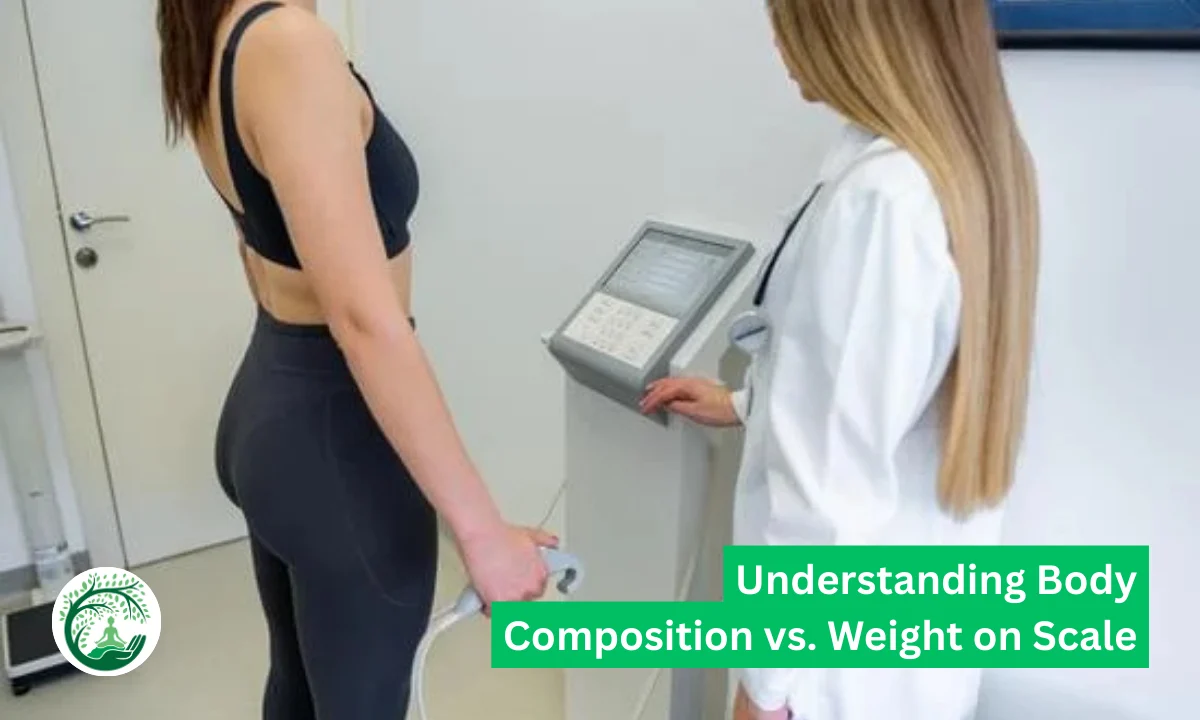
Understanding Body Composition vs. Weight on Scale
Body composition vs weight on scale is the debate that is changing how we measure fitness progress in 2025. Most people step on the weighing scale every morning and let that single number decide their mood for the entire day. But here is the truth that fitness experts want you to know. That number on your scale does not tell you the real story about your health.
Think about two people who both weigh 75 kilograms. One person could be muscular and fit with low body fat while the other might be carrying excess fat with less muscle mass. The scale shows the same number but their health risks and fitness levels are completely different. This is why understanding what makes up your weight is far more important than the weight itself.
Your body is made up of different components like muscle tissue, fat tissue, bones, organs and water. Each of these plays a different role in your overall health. When you only focus on total weight you miss the bigger picture. You might lose muscle while trying to lose weight or gain muscle while the scale stays the same. Both scenarios can be frustrating if you are only watching that number go up or down.
The good news is that more people are waking up to this reality. Smart scales and body composition analysis tools are becoming popular because they show you what really matters. Instead of asking how much you weigh you should be asking how much fat versus muscle you have and where that fat is stored in your body.
Key Takeaways
- Body composition breaks down your weight into fat mass, muscle mass, bone density and water percentage
- Two people with the same weight can have completely different body compositions and health risks
- Visceral fat around your organs is more dangerous than the number on your scale
- Muscle weighs more than fat but takes up less space which is why the scale can be misleading
- Tracking body fat percentage and lean mass gives you a better picture of your fitness progress
- Smart scales and DEXA scans are modern tools that help measure body composition accurately
- Weight can fluctuate daily due to water retention, food intake and hormones without any real change in fat or muscle
Also Read: Fat Loss for Women Over 30: Hormones, Metabolism & More
Understanding What Body Composition Really Means
Body composition is basically a breakdown of what your total body weight is made of. It divides your weight into different categories so you can see exactly what you are carrying. The main components include fat mass, lean body mass which covers muscles and organs, bone density and water content.
Fat mass is not all bad because your body needs some fat to function properly. Essential fat helps with hormone production, protects your organs and keeps you warm. But too much fat especially around your belly area can lead to serious health problems like diabetes, heart disease and high blood pressure. Doctors are now more worried about where your fat is located rather than just how much you weigh.
Lean body mass includes your muscles, bones, organs and the water in your body. Muscle tissue is denser than fat which means it takes up less space. This is why someone with more muscle might weigh the same or even more than someone with more fat but look much leaner and fitter. Building muscle also helps your metabolism because muscles burn more calories even when you are resting.
Water makes up a large portion of your body weight and it can change daily. If you eat salty food or do not drink enough water your body might retain extra water which shows up as weight gain on the scale. This is why your weight can jump up or down by one or two kilograms in a single day without any actual change in fat or muscle. This is one more reason why the scale alone cannot tell you the full story.
Why The Scale Number Can Be Misleading
The biggest problem with using only the weighing scale is that it treats all weight the same. It cannot tell the difference between fat, muscle, bone or water. This becomes a huge issue when you start exercising or changing your diet because your body composition changes even if your total weight stays the same.
Many people start strength training and feel disappointed when the scale does not move or even goes up. What they do not realize is that they are building muscle while losing fat. Since muscle is heavier than fat for the same volume their weight might increase even though they are getting leaner and healthier. This is called body recomposition and it is actually a sign of great progress.
The scale also does not show you where your fat is stored. Having fat under your skin is less risky than having visceral fat which wraps around your internal organs. Visceral fat is linked to inflammation and increases your risk for metabolic diseases. Two people might have the same body weight and body fat percentage but if one has more visceral fat their health risks are much higher.
Daily weight fluctuations can also mess with your head. Your weight can change based on when you last ate, how much water you drank, whether you exercised and even your stress levels. Women especially experience weight changes throughout their menstrual cycle due to hormonal shifts. These temporary changes have nothing to do with actual fat gain or loss but they can make you feel like your efforts are not working.
Health Risks Of High Body Fat Percentage
Having too much body fat especially visceral fat is linked to many serious health conditions. When fat builds up around your organs it releases inflammatory chemicals that interfere with how your body functions. This type of fat is metabolically active which means it produces hormones and other substances that can harm your health.
High body fat percentage increases your risk of developing type 2 diabetes because excess fat affects how your body uses insulin. It also raises your chances of heart disease and high blood pressure because visceral fat contributes to inflammation and puts extra strain on your cardiovascular system. Studies show that people with high body fat percentages are more likely to have cholesterol problems and other metabolic disorders.
Your joints also suffer when you carry excess body fat. The extra weight puts more pressure on your knees, hips and ankles which can lead to cartilage damage and osteoarthritis over time. Even if your BMI says you are in a healthy range having a high body fat percentage can still put you at risk for these problems.
On the flip side having too little body fat can also be dangerous. Your body needs essential fat for hormone production and nutrient absorption. Very low body fat levels can lead to hormonal imbalances, weak bones and increased risk of fractures. This is especially common in endurance athletes like long distance runners who might have low body weight but are not getting enough nutrition to support bone health.
Modern Tools To Measure Body Composition
Technology has made it easier than ever to track your body composition at home or at the gym. Smart scales using bioelectrical impedance analysis or BIA send a small electrical current through your body to estimate your fat and muscle percentages. These scales are affordable and convenient but their accuracy can vary based on your hydration levels and the quality of the device.
DEXA scans are considered the gold standard for measuring body composition. They use low dose X rays to give you a detailed breakdown of your fat mass, lean mass and bone density. DEXA scans are very accurate and can even show you where fat is distributed in your body. The downside is that they are more expensive and you need to go to a specialized facility to get one done.
Skinfold calipers are another option where someone pinches your skin at specific spots on your body and measures the thickness. This method is cheaper but the accuracy depends heavily on the skill of the person taking the measurements. It works best when the same person measures you each time so you can track changes consistently.
Hydrostatic weighing and Bod Pod tests measure your body density by submerging you in water or using air displacement. These methods are accurate but not as commonly available as smart scales or DEXA scans. For most people tracking trends over time with the same method is more important than getting a perfectly accurate reading every single time.
How To Shift Your Focus From Weight To Wellness
Instead of obsessing over the number on your scale start paying attention to how your body looks, feels and performs. Take progress photos every few weeks and compare them side by side. You might notice that your waist is smaller or your muscles are more defined even if your weight has not changed much.
Track your strength and endurance improvements in the gym. Are you lifting heavier weights or running longer distances than you could a month ago. These are real signs of progress that the scale cannot measure. Physical performance is a much better indicator of fitness than body weight alone.
Pay attention to how your clothes fit. If your jeans are getting looser around the waist or your shirts fit better across the shoulders that means your body composition is changing for the better. This is what people call non scale victories and they are just as important as any number.
Use body composition measurements like body fat percentage and lean mass to guide your fitness and nutrition decisions. If you see that you are losing muscle along with fat you might need to eat more protein or adjust your workout routine. If your visceral fat is high you can focus on reducing belly fat through better diet and exercise choices.
Remember that sustainable health is not about reaching a certain number on the scale. It is about building a strong, healthy body that serves you well throughout your life. Focus on eating nutritious foods, staying active, getting enough sleep and managing stress. When you take care of these basics your body composition will naturally improve over time.
Tags: body composition, body fat percentage, weight loss, muscle mass, visceral fat, fitness tracking, smart scales
Related Posts :
Share This Post