Why Am I Still Tired After 12 Hours Of Sleep: Hidden Reasons Most People Ignore
Why am I still tired after 12 hours of sleep
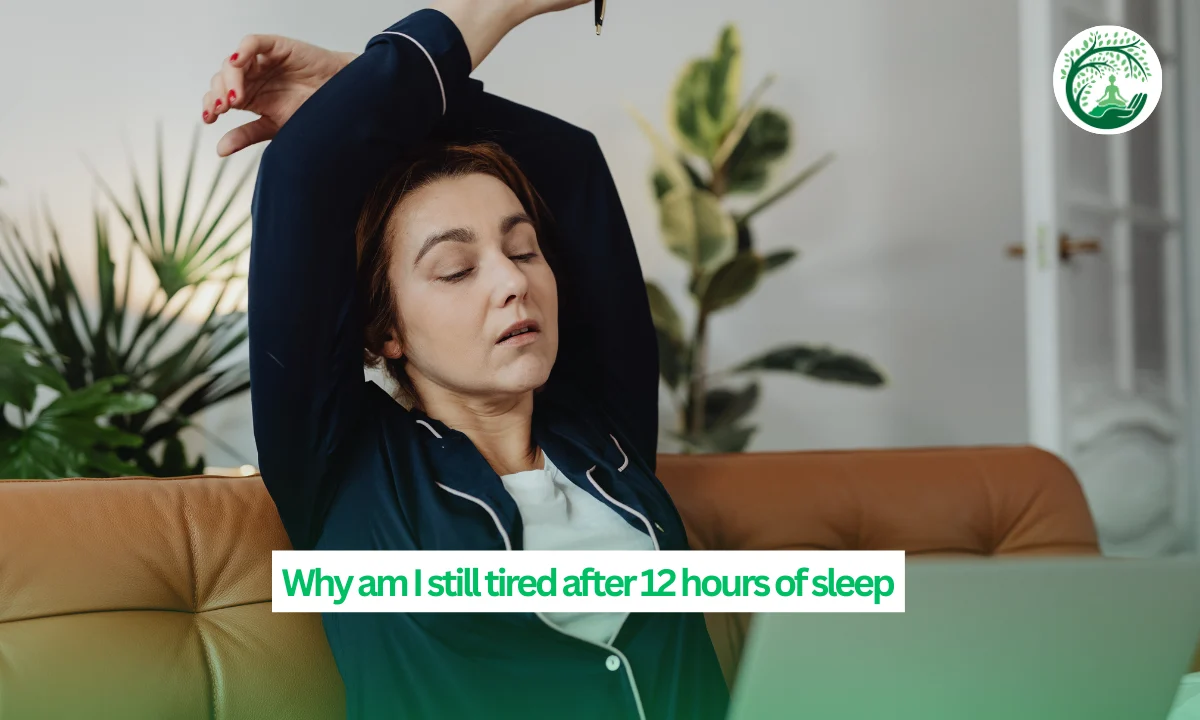
Why am I still tired after 12 hours of sleep is a question many people search when they wake up feeling drained even after long rest. Sleeping more should make you feel refreshed. But for many, long sleep does not bring energy. This can be confusing and frustrating.
Feeling exhausted after 12 hours of sleep does not always mean you are lazy or weak. It often points to poor sleep quality, lifestyle habits, or health factors that reduce how restorative your sleep really is. Understanding what is happening inside your body can help you take the right steps toward better energy.
Key Takeaways
- Sleeping longer does not always mean sleeping better.
- Poor sleep quality and lifestyle habits are common reasons for constant tiredness.
- Nutrient deficiencies and hormonal imbalance can affect energy levels.
- Mental stress and anxiety can block deep restorative sleep.
- Tracking symptoms helps identify the real cause of fatigue.
Understanding Why Long Sleep Still Feels Unrefreshing
Most adults need around seven to nine hours of sleep. If you sleep for twelve hours and still feel tired, the problem is usually not sleep quantity. It is sleep quality.
Your body goes through sleep stages such as light sleep, deep sleep, and REM sleep. Each stage has a role in physical recovery and mental clarity. If these stages are disturbed, the brain does not complete its repair cycle. Even long hours in bed can feel useless.
This condition is often linked with unrefreshing sleep. You wake up feeling heavy, groggy, and mentally slow. It can affect work, mood, and focus throughout the day.
Common Lifestyle Reasons For Constant Tiredness
Lifestyle habits are one of the biggest contributors to fatigue. Many people overlook them because they seem harmless.
Some important factors include:
- Irregular sleep timing
- Excess screen exposure before bed
- Heavy meals late at night
- High caffeine intake
- Low physical activity
These habits confuse the body clock. The brain struggles to enter deep sleep. As a result, long sleep does not restore energy.
Stress also plays a major role. When stress levels stay high, the nervous system remains active at night. This prevents relaxation and leads to shallow sleep.
Medical Conditions That Can Cause Excessive Sleep And Fatigue
Sometimes tiredness after long sleep is linked to health conditions. These conditions may go unnoticed for years.
Some common ones include:
| Condition | How It Affects Energy |
|---|---|
| Iron deficiency | Reduces oxygen supply to muscles and brain |
| Thyroid imbalance | Slows metabolism and body processes |
| Sleep apnea | Breaks sleep repeatedly through breathing pauses |
| Depression | Causes low motivation and unrefreshing sleep |
| Anxiety | Keeps the mind alert at night |
| Diabetes | Creates energy crashes and weakness |
These conditions do not always show strong symptoms at first. Fatigue can be the earliest sign. This is why persistent tiredness should not be ignored.
Nutritional Deficiencies And Their Impact On Energy
Food is fuel for the body. When nutrients are low, energy drops even with long sleep.
Key nutrients linked to fatigue include:
- Iron
- Vitamin B12
- Vitamin D
- Magnesium
- Folate
Low levels of these nutrients can lead to weakness, brain fog, and sleep problems. Many people have borderline deficiencies without knowing it.
Poor diet patterns such as skipping meals or eating mainly processed food can make the problem worse. Hydration also matters. Mild dehydration can feel like tiredness.
Mental Health And Sleep Quality Connection
Mental health and sleep are deeply connected. Depression and anxiety often disturb sleep cycles.
People with anxiety may lie in bed with racing thoughts. This keeps the brain active instead of resting. Depression can cause long sleep hours but without feeling refreshed.
This creates a cycle. Poor sleep worsens mood. Low mood worsens sleep. Over time, energy levels drop further.
Recognizing emotional stress is important. Fatigue is not always physical. Sometimes it is mental overload.
Public Opinion From Social Media Discussions
Online discussions show that many people feel frustrated by sleeping long hours and still feeling tired. Common themes seen in public conversations include:
- People waking up more exhausted after sleeping longer
- Complaints about brain fog and low focus
- Confusion about whether sleep duration is healthy
- Fear that something serious may be wrong
- Shared experiences of stress and burnout
Many users believe their tiredness is linked to work pressure, poor routine, or hidden health problems. The general opinion shows that this issue is widespread and not rare.
This highlights the importance of awareness and proper evaluation instead of ignoring symptoms.
How To Identify If It Is Afternoon Slump Or Chronic Fatigue
It is normal to feel sleepy in the afternoon. This is part of the body’s natural rhythm. But chronic fatigue feels different.
Signs of chronic fatigue include:
- Feeling tired from morning to night
- Needing long naps but feeling worse after
- Trouble concentrating
- Frequent headaches
- Low motivation
If tiredness lasts for weeks, it is more than an afternoon slump.
Simple Steps That Can Improve Energy Levels
Here is a practical listicle of actions that may help improve sleep quality and daily energy:
- Fix a consistent sleep and wake time
- Reduce screen use before bedtime
- Get sunlight exposure in the morning
- Eat balanced meals with protein and vegetables
- Drink enough water
- Add light daily exercise
- Limit caffeine after noon
These steps help reset the internal body clock. They support deeper sleep and better recovery.
When Testing May Be Necessary
If lifestyle changes do not help, medical testing may be useful. Doctors may suggest:
- Blood tests for iron and vitamins
- Thyroid hormone testing
- Blood sugar tests
- Sleep study for breathing disorders
Testing does not mean something serious is wrong. It helps rule out hidden causes and guide safe treatment.
Warning Signs That Need Medical Attention
Some symptoms should not be ignored:
- Falling asleep during daily activities
- Sudden increase in sleep need
- Memory problems
- Chest pain or shortness of breath
- Severe mood changes
These signs require professional evaluation.
Why More Sleep Is Not Always The Solution
Many people think sleeping more will fix tiredness. But oversleeping can also disrupt body rhythm. It can cause headaches, body pain, and low motivation.
What matters is quality, not just hours. Deep sleep is when muscles repair and the brain resets. Without it, long sleep does little.
Balanced routine and proper care bring better results than simply increasing sleep time.
Final Thoughts On Feeling Tired After 12 Hours Of Sleep
Why am I still tired after 12 hours of sleep is not a strange question. It reflects a real problem faced by many people today.
The cause is often a mix of poor sleep quality, stress, nutrition gaps, and hidden health issues. Understanding your body signals is the first step toward recovery.
Small changes in daily habits can make a big difference. If tiredness continues, seeking professional advice can help uncover the reason safely and correctly.
Fatigue is not something to ignore. It is the body asking for attention.
Tags: sleep fatigue, excessive sleep, tired after sleeping, sleep quality, chronic fatigue, health awareness, lifestyle and sleep
Related Posts :
Share This Post