Why Do I Wake Up With Anxiety In The Middle Of The Night: Common Causes And What Your Body Is Trying To Tell You
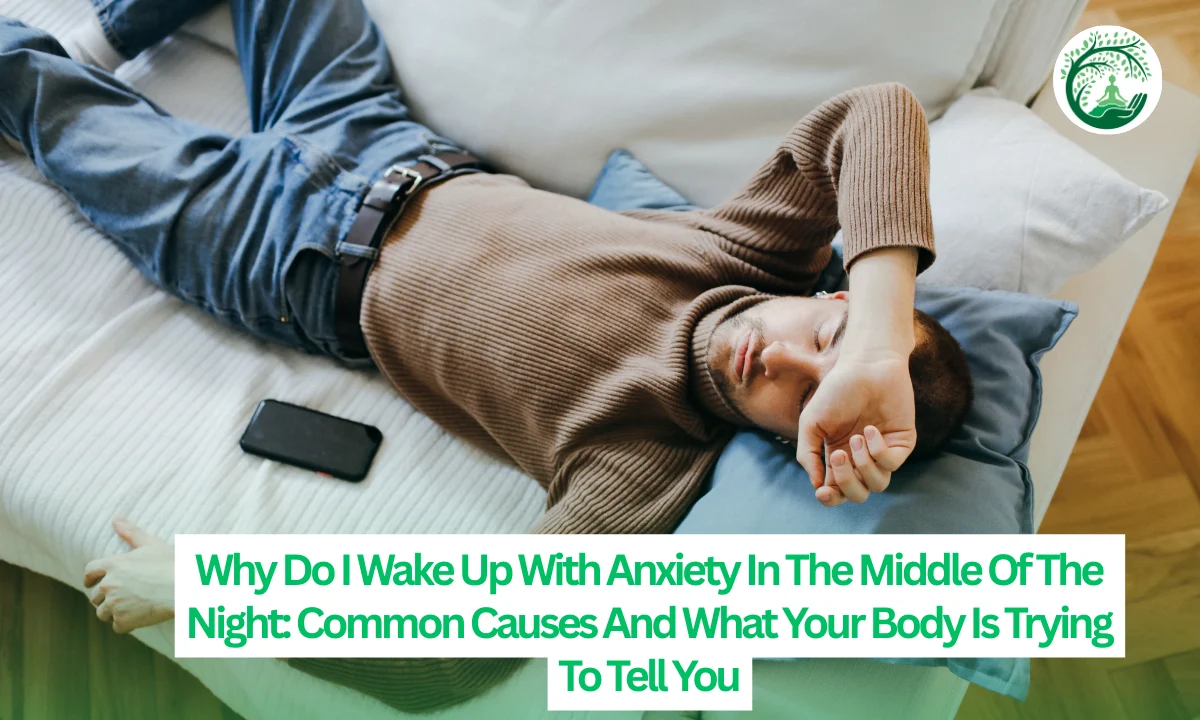
Why Do I Wake Up With Anxiety In The Middle Of The Night: Common Causes And What Your Body Is Trying To Tell You
Why do I wake up with anxiety in the middle of the night is a question many people search for when sleep feels disturbed and unrefreshing. Waking up suddenly with a racing heart, restlessness, or uneasy thoughts can feel confusing and scary. Even after sleeping for many hours, some people report feeling tired, alert, or emotionally overwhelmed when they wake up during the night.
This issue is closely linked to sleep quality, stress levels, and how the brain manages fear and recovery during deep sleep. Public discussions show that people often mix this problem with oversleeping and still feeling exhausted. Both experiences point to one thing. Something is interrupting the natural sleep cycle and preventing the mind from fully resting.
Key Takeaways
- Night anxiety is often linked to stress, poor sleep quality, and hormonal changes.
- Sleeping longer does not always mean sleeping better.
- Medical, mental health, and lifestyle factors can all play a role.
- Public opinion shows confusion and concern about waking tired or anxious after long sleep.
- A calm routine and professional advice can help identify the real cause.
Understanding Night-Time Anxiety
Night-time anxiety happens when the brain becomes alert instead of staying in rest mode. During sleep, the body should move through deep and light sleep stages in balance. When this rhythm is disturbed, the nervous system may trigger fear or alertness.
Many people describe waking up with chest tightness, racing thoughts, or a sense that something is wrong. This does not always mean a panic disorder. It often reflects how stress hormones and sleep chemistry interact.
Anxiety during sleep is not separate from daily life. What happens during the day follows you into the night. Emotional pressure, unresolved worries, and exhaustion can surface when the mind becomes quiet.
Also Read: Evidence Based Sleep Hygiene Practices: Science Backed Habits For Better Sleep Quality
Stress And Hyperarousal Of The Brain
Stress is one of the most common causes of waking up anxious. When stress continues for weeks or months, the brain enters a state of hyperarousal. This means it stays alert even when the body is supposed to rest.
Cortisol, known as the stress hormone, normally drops at night. If cortisol remains high, sleep becomes shallow. The brain wakes you to check for danger even when none exists.
People who work long hours, use screens late at night, or constantly think about problems report more night awakenings with anxiety.
Poor Sleep Quality Versus Long Sleep Hours
Many people sleep for 10 to 12 hours and still feel tired or anxious. Public conversations show that sleep length does not equal sleep quality.
Interrupted breathing, noise, light exposure, and uncomfortable environments reduce deep sleep. This creates sleep inertia, which feels like mental fog and emotional heaviness after waking.
Oversleeping can also disrupt circadian rhythm. This internal clock controls mood and energy. When it shifts, anxiety and fatigue increase.
Medical And Physical Contributors
Certain health conditions can trigger anxiety at night. These do not always show strong symptoms during the day.
Common physical contributors include:
- Low iron levels
- Thyroid imbalance
- Vitamin B12 or vitamin D deficiency
- Sleep apnea
- Restless legs syndrome
These conditions fragment sleep and prevent restoration. The brain senses distress and reacts with anxiety-like symptoms.
The table below shows how physical factors connect to night anxiety.
| Physical Factor | How It Affects Sleep | Possible Night Feeling |
|---|---|---|
| Low iron | Causes restless movement | Agitation and wakefulness |
| Sleep apnea | Reduces oxygen during sleep | Sudden awakenings |
| Thyroid imbalance | Alters metabolism | Racing heart |
| Vitamin deficiency | Weakens nervous system | Fatigue and worry |
Mental Health And Emotional Load
Anxiety and depression share a strong relationship with sleep. People experiencing burnout often describe feeling wired but tired.
The brain uses sleep to process emotions. If emotional stress is too high, dreams and thoughts become intense. This may wake a person in the middle of the night.
Some also experience anticipatory anxiety. This means fear of the next day or unresolved thoughts become active during sleep.
Lifestyle Triggers That Worsen Night Anxiety
Daily habits shape night experiences more than people realize.
Listicle of major lifestyle triggers:
- Heavy meals close to bedtime
- Excess caffeine or alcohol
- Late-night screen exposure
- Irregular sleep schedules
- Lack of physical activity
- Skipping daylight exposure
- Sleeping in noisy or bright rooms
Each of these reduces melatonin and increases nervous system activity.
Alcohol may help people fall asleep but often causes wake-ups later in the night. Caffeine stays in the body for many hours and can activate anxiety pathways.
Oversleeping And The Anxiety Cycle
Public discussion shows frustration about sleeping too long and still feeling tired or anxious. Oversleeping can create a cycle where people nap more and feel worse.
Sleeping more than nine hours regularly may indicate hypersomnia or disrupted sleep architecture. The brain does not get enough deep sleep stages even with long hours.
This creates emotional instability and anxiety after waking.
Public Opinion From Twitter And Online Discussions
Public opinion reflects confusion, humor, and worry. Many posts show people questioning why they still feel tired or anxious after long sleep.
Some examples of sentiment include:
- People asking what it means to sleep 12 hours and feel exhausted
- Others joking about waking someone who slept long but still feels drained
- Many connecting the issue to iron deficiency or burnout
- Several urging medical tests instead of self-diagnosis
Overall, people feel validated when others share similar struggles. There is a strong push toward checking health factors and improving sleep routines.
The emotional tone is empathy mixed with concern. Users do not want simple advice like sleep more. They want real explanations.
When Anxiety Signals Something Deeper
Waking with anxiety does not always mean a serious condition. But if it happens regularly, it deserves attention.
Signs to take seriously include:
- Anxiety every night
- Severe fatigue during the day
- Memory or focus problems
- Loud snoring or breathing pauses
- Mood changes
Healthcare professionals often recommend blood tests or sleep studies to understand what is happening internally.
How To Support Better Night Sleep Naturally?
Improving sleep hygiene can reduce night anxiety in many cases.
Simple steps include:
- Fixed bedtime and wake time
- No screens one hour before bed
- Light dinner in the evening
- Quiet and dark sleeping room
- Gentle movement during the day
- Limiting caffeine and alcohol
Calm breathing exercises and relaxation routines before sleep help the nervous system feel safe.
Talking to family and friends about sleep struggles can also reduce emotional pressure.
Why Professional Guidance Matters?
If lifestyle changes do not help, professional advice is important. Doctors can look at sleep patterns, mental health, and physical causes together.
This avoids guessing and helps identify treatable conditions like sleep apnea, hormone imbalance, or nutrient deficiency.
Sleep is closely tied to long-term health. Listening to the body early can prevent future problems.
Tags: night anxiety, sleep quality, waking up anxious, oversleeping fatigue, sleep disorders, mental health and sleep, stress and anxiety
Related Posts :

Share This Post