Why Traditional Weight Loss Advice Fails (And What Actually Works)

Why Traditional Weight Loss Advice Fails (And What Actually Works )
You have probably tried multiple diets in your life. The story always starts with excitement and hope but ends with frustration and regained weight. This pattern is not your fault. Traditional weight loss advice fails because it works against your body instead of with it. The eat less move more approach sounds logical but it ignores basic human biology and hormones.
Most people regain over 80 percent of their lost weight within two years of dieting. The problem is not willpower. The real issue is that conventional diet plans trigger powerful biological responses that make weight regain almost guaranteed. Your metabolism slows down when you drastically cut calories. Your hunger hormones go into overdrive. Your body thinks it is starving and fights back hard.
Modern science shows that sustainable fat loss requires a completely different approach. Instead of restriction and punishment, real results come from protein priority, strength training, and hormone balance. The latest research from 2025 proves that muscle centric weight loss works better than cardio marathons. Understanding why traditional advice fails helps you choose strategies that actually stick. Your body deserves better than another failed diet cycle.
Key Takeaways
- Traditional calorie deficit approaches fail because they ignore hormones like insulin and cortisol
- Over 80 percent of dieters regain their weight within two years due to metabolic adaptation
- Protein first meals at one gram per pound of bodyweight preserve muscle and increase satiety
- Strength training three times weekly beats endless cardio for long term fat loss
- GLP1 medications work best when combined with resistance training and lifestyle changes
- Sustainable weight loss focuses on hormone harmony not just calorie counting
- The eat less move more mentality triggers binge cycles and metabolic damage
Also Read: Fat Loss Without Exercise: 7 Proven Metabolic Hacks
Why Diets Stop Working After The First Few Weeks
Your body is not a simple math equation. When you cut calories too much your metabolism fights back with surprising force. This biological response happens to everyone and it explains why initial weight loss always slows down after a few weeks. Research shows that metabolic rate can drop by 15 to 20 percent during prolonged calorie restriction.
The hormone leptin plays a huge role in this process. Leptin signals fullness to your brain but levels plummet when you diet. Low leptin increases hunger and reduces the satisfaction you feel after eating. These changes can persist for months or even years after the diet ends. This is why keeping weight off feels harder than losing it.
Your body also becomes more efficient at storing fat when you reintroduce normal food. This adaptation helped humans survive food shortages throughout history but it sabotages modern weight loss efforts. The more times you have dieted before the stronger these biological responses become. Each diet cycle makes the next attempt even harder.
Food preoccupation becomes overwhelming during restriction. When you eliminate favorite foods completely they become more desirable. This forbidden fruit effect leads to intense cravings that eventually break your willpower. Studies confirm that people who restrict specific food groups end up eating more of those foods when they finally give in.
The Hidden Damage Of Restrictive Eating Plans
Extreme diets create psychological stress that destroys long term success. The mental effort required to constantly monitor every bite leads to decision fatigue. Your brain gets exhausted from all the food rules and eventually gives up. This explains the what the hell effect where one slip leads to complete abandonment of diet goals.
Women over 35 face unique challenges with restrictive diets. Hormonal changes after 40 make traditional calorie cutting especially ineffective. Your body holds onto fat more stubbornly when cortisol levels rise from stress and undereating. Sleep quality also suffers which further disrupts metabolism and hunger hormones.
Muscle loss is one of the most damaging effects of crash diets. When you cut calories without adequate protein your body burns muscle tissue for energy. Less muscle means slower metabolism which makes regaining weight inevitable. GLP1 medications can cause up to 40 percent muscle loss if users do not prioritize protein and strength training.
The cycle of restriction and bingeing often develops into disordered eating patterns. These psychological issues can persist long after the diet ends. Guilt and shame around food create a toxic relationship that makes healthy eating feel impossible. Many people lose trust in their body signals and become unable to recognize true hunger versus emotional eating.
What Actually Works For Sustainable Fat Loss
Protein priority is the single most powerful tool for lasting weight loss. Eating one gram of protein per pound of bodyweight preserves muscle during fat loss. High protein meals increase satiety which naturally reduces overall calorie intake without constant hunger. Aim for 20 to 30 grams of protein at each meal from sources like eggs, meat, fish and dairy.
Strength training beats cardio for long term results. Lifting weights three times weekly maintains muscle mass which keeps metabolism high. Recent data shows 95 percent muscle retention during deficits when people combine resistance training with adequate protein. Building muscle also improves insulin sensitivity which helps your body handle carbohydrates better.
Walking is underrated for fat loss. Simple daily walks of 8000 to 10000 steps combined with protein first meals lead to steady weight loss without hunger. Post meal walks of just 15 minutes help control blood sugar spikes. This gentle approach allows sustainable progress without the burnout that comes from intense cardio sessions.
Sleep and stress management are non negotiable for hormone balance. Poor sleep raises cortisol which promotes belly fat storage. Aim for seven to nine hours per night in a cool room around 66 degrees Fahrenheit. Managing stress through activities like yoga or meditation helps prevent emotional eating and supports healthy cortisol patterns.
Circadian eating patterns support better metabolism. Finishing meals by 7 PM and starting with black coffee in the morning allows overnight fasting. This timing improves insulin sensitivity and supports natural fat burning processes. Many people report plateau busting results of five to eight pounds monthly with this simple adjustment.
The Truth About Weight Loss Medications In 2025
GLP1 medications like semaglutide deliver impressive results of 15 to 20 percent bodyweight loss in trials. These drugs work by mimicking natural hormones that regulate appetite and blood sugar. However 30 percent of users regain weight after stopping if they have not built sustainable lifestyle habits. The medications are tools not magic solutions.
Retatrutide shows even better results with 23 percent bodyweight drops in 68 week trials. This new medication outperforms older options but long term safety data is still pending. Some users experience GI side effects or fatigue. Adding electrolytes and magnesium helps manage these issues for most people.
The real controversy around weight loss drugs centers on muscle loss. Studies show users can lose up to 40 percent of their weight from muscle rather than fat. Combining medications with strength training and high protein intake prevents this problem. The goal should be fat loss not just weight loss.
Non responders exist for all weight loss medications. About 17 percent of people do not see significant results from GLP1 drugs. Eloralintide offers an alternative that works through different pathways. This medication shows 20 percent losses with fewer digestive side effects for some users.
Long term success requires viewing medications as part of a comprehensive approach. The best outcomes happen when drugs support lifestyle changes rather than replace them. Protein intake, resistance training and stress management remain essential even when using pharmaceutical help. Think of medications as training wheels that help establish better habits.
Building A Metabolism That Works With Your Biology
Metabolic flexibility means your body can easily switch between burning carbs and fat for fuel. This natural state gets damaged by years of processed food and yo yo dieting. Rebuilding flexibility takes time but the results are worth it. People with good metabolic flexibility maintain stable energy and body composition without constant effort.
Adaptive thermogenesis is your metabolism slowing down to conserve energy during diets. This survival mechanism can reduce calorie burn by 15 to 20 percent. The key to preventing this is maintaining muscle mass through strength training and adequate protein. Never drop calories too low or too fast.
Set point theory explains why your body defends a certain weight range. Genetics account for 40 to 70 percent of weight variation between people. While you cannot change your genetics you can influence where you land within your natural range. Sustainable habits move you toward the lower end of your set point.
Hormone balance determines whether your fat loss efforts succeed or fail. Insulin, cortisol, leptin and thyroid hormones all play crucial roles. High stress and poor sleep wreck hormone balance no matter how perfectly you eat. This is why the 40 plus crowd sees better results from hormone first approaches than traditional calorie counting.
Brown fat activation through cold exposure shows promise in recent studies. Keeping your bedroom at 66 degrees Fahrenheit during sleep may boost fat burning. Some people report effortless 10 pound changes from this simple adjustment. Cold showers and outdoor activities in cooler weather also stimulate brown fat.
Creating Food Freedom Without Restriction
The 80 20 approach allows nutritious choices 80 percent of the time while enjoying treats without guilt. This flexibility prevents the psychological rebellion that comes from total restriction. When favorite foods are not forbidden they lose their power over you. Most successful long term maintainers follow this balanced pattern.
Mindful eating practices help rebuild trust in hunger signals. Eating slowly without distractions allows you to notice satisfaction before overeating. Ask yourself if you are physically hungry or eating for emotional reasons. True hunger develops gradually while emotional cravings hit suddenly and focus on specific comfort foods.
Planning meals ahead reduces decision fatigue and prevents default choices. Identify three to five meals you enjoy that meet your protein and nutrition goals. Rotating through these favorites eliminates constant meal planning stress. Batch cooking on weekends provides quick options for busy weekdays.
Social eating does not have to derail progress. Enjoying restaurant meals and celebrations is part of sustainable lifestyle. Make protein the star of your plate when eating out. Share desserts or have smaller portions of treats. One meal never ruins results but constant restriction leads to binge cycles.
Removing food labels like good or bad reduces guilt and shame. All foods fit within a healthy lifestyle when consumed in appropriate amounts. Think about how different foods make you feel physically rather than moralizing choices. Some foods provide sustained energy while others cause crashes but neither is morally superior.
The Role Of Support In Long Term Success
Working with professionals provides accountability and expert guidance. Consulting a nutritionist or doctor helps create personalized strategies. Many people discover underlying issues like thyroid problems or insulin resistance that explain past failures. Professional support also prevents dangerous approaches that damage health.
Community connection dramatically improves outcomes. Weight loss buddies, online groups or in person support meetings keep motivation high. Sharing struggles and victories with others who understand makes the journey less lonely. Many smartphone apps provide built in communities for daily encouragement.
Family involvement can make or break success. Partners who support healthy eating and join in exercise create an environment for sustainable change. Research shows men especially benefit from spousal encouragement. Conversely unsupportive family members who push unhealthy foods create constant obstacles.
Tracking progress through multiple metrics prevents scale obsession. Body measurements, how clothes fit, energy levels and sleep quality all matter more than daily weight fluctuations. Progress photos taken monthly show changes that the mirror misses. Some people maintain results better when they stop weighing themselves entirely.
Celebrating non scale victories builds positive momentum. Completing a workout program, cooking nutritious meals consistently or managing stress better all deserve recognition. These behavior changes ultimately determine long term success more than any number on the scale.
Moving Forward With Realistic Expectations
Sustainable weight loss happens at one to two pounds per week maximum. Faster losses typically come from water weight and muscle loss. Patience is difficult but rushing the process guarantees rebound weight gain. Focus on building habits that support lifelong health rather than chasing rapid transformation.
Weight maintenance requires the same effort as weight loss. The finish line mentality sets people up for failure. Successful maintainers view healthy eating and regular activity as permanent lifestyle components not temporary sacrifices. The habits that create results must continue indefinitely.
Setbacks and plateaus are normal parts of the process. One bad week or month does not erase previous progress. Life events like illness, stress or celebrations will occasionally disrupt routines. The key is returning to healthy patterns quickly without guilt or all or nothing thinking.
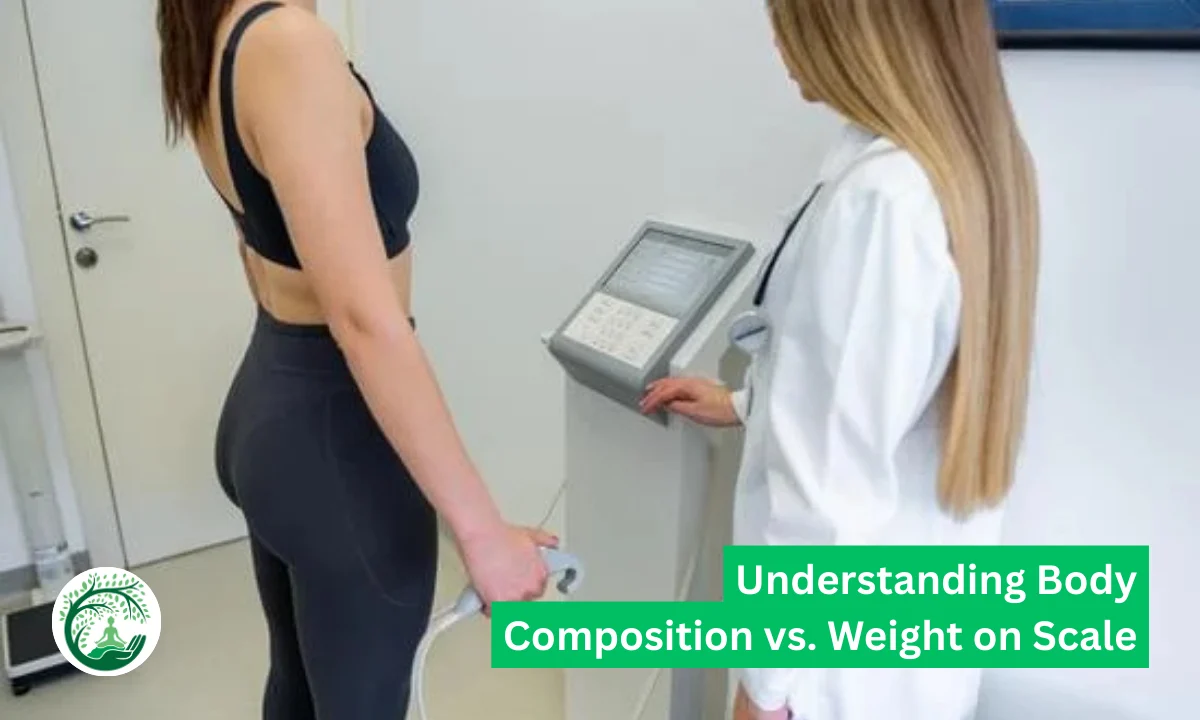
Body composition matters more than scale weight. Building muscle while losing fat creates a leaner appearance even if weight drops slowly. Strength improvements and better fitting clothes indicate progress regardless of numbers. Many people look and feel dramatically better at the same weight after gaining muscle.
Your relationship with your body determines long term success. Self compassion and realistic expectations support sustainable change. Perfectionism and harsh self criticism guarantee eventual abandonment of healthy habits. Treat yourself with the same kindness you would show a friend facing similar challenges.
Tags: weight loss, traditional diet failure, sustainable fat loss, protein priority, muscle centric weight loss, hormone balance, metabolic health
Related Posts :

Share This Post