Yoga for Absolute Beginners: First 10 Poses to Learn
10-Minute Morning Yoga Flow for a Calm Start: Your Daily Reset Button
Yoga for absolute beginners starts with understanding that flexibility is not a requirement. You do not need to touch your toes on day one.
The beauty of yoga lies in meeting your body exactly where it is today. Many beginners worry they are too stiff or too old to start yoga practice. This is completely wrong. Yoga helps you become more flexible over time not the other way around.
Starting with basic poses builds the foundation for your entire yoga journey. These foundational asanas teach proper alignment and body awareness. They also connect your breath with movement which is the heart of yoga practice.
The first 10 poses we cover here are perfect for complete newcomers. They target major muscle groups while being gentle on your joints. Each pose offers specific benefits from calming your nervous system to strengthening your core.
You will find modifications for every pose so you can practice safely. Props like blocks and straps make poses more accessible. Remember that yoga is not about perfect form. It is about consistent practice and listening to your body.
Take rest whenever you need it. Your first yoga session might feel challenging but stick with it. Within weeks you will notice improved flexibility and reduced stress. Let us explore the essential poses that will kickstart your practice.
Key Takeaways
- Mountain Pose teaches proper standing alignment and body awareness for all other poses
- Child Pose serves as your reset button during practice when you need rest
- Cat Cow warms up your spine and is perfect for people who sit at desks all day
- Downward Dog strengthens your entire body and is the most recognized yoga pose
- Cobra Pose gently opens your chest and strengthens your back muscles
- Seated Forward Fold stretches tight hamstrings and calms your mind
- Tree Pose builds balance and focus while strengthening your legs
- Warrior II develops stamina and opens your hips for better mobility
- Easy Pose with breathing creates the perfect foundation for meditation practice
- Corpse Pose allows your body to absorb all benefits from your practice
Also Read: 10-Minute Morning Yoga Flow for a Calm Start: Your Daily Reset Button
Mountain Pose – Your Foundation
Mountain Pose looks simple but it is actually the mother of all standing poses. Stand with your feet together and arms by your sides. Press all four corners of your feet firmly into the ground. Engage your thigh muscles and tuck your tailbone slightly.
Lengthen through your spine as you roll your shoulders back. This pose improves your posture and teaches you how to stand with proper alignment. It builds body awareness that carries into every other pose you do.
Many beginners think they are just standing still. But mountain pose actively engages your entire body. It strengthens leg muscles and releases tension from your face and jaw. Hold this pose for 30 seconds while breathing deeply.
You can practice it anywhere even while waiting in line. This foundational pose helps you find stability before moving into more complex positions. It also improves concentration and helps reduce anxiety through grounding.
Child Pose – Your Safe Space
Child Pose is your permission to rest during any yoga class. Kneel on your mat and sit back on your heels. Lower your chest toward the floor and rest your forehead down. Extend your arms forward or place them alongside your body. This resting pose stretches your hips thighs and back muscles gently. It also calms your nervous system almost instantly.
Beginners love child pose because it feels nurturing and safe. You can widen your knees for more comfort if needed. Stay here for as long as you want while breathing slowly. This pose helps with constipation and soothes anxiety naturally. Many people find themselves getting emotional in child pose which is completely normal. It creates a protected space where you can reset both physically and mentally during your practice.
Cat Cow – The Perfect Warm Up
Cat Cow is the first movement most yoga classes start with. Get on your hands and knees with wrists under shoulders and knees under hips. Inhale and arch your back dropping your belly toward the floor. Exhale and round your spine pulling your chin to chest. Flow between these two positions following your breath naturally.
This dynamic movement warms up your entire spine beautifully. It improves spinal flexibility and strengthens your core without straining your wrists. People who sit at desks all day benefit hugely from cat cow. It releases tension from your neck and lower back quickly. The movement also improves digestion and massages your internal organs. Beginners find their backs cracking during this pose which feels surprisingly good. Do 10 rounds to prepare your body for deeper poses.
Downward Dog – The Famous One
Downward Dog creates an inverted V shape with your body. Start on hands and knees then lift your hips toward the ceiling. Press your hands firmly into the mat and straighten your legs. Your heels reach toward the floor but do not force them down. Keep your head between your upper arms relaxed.
This pose is both a strength builder and a resting position. It stretches your hamstrings calves and shoulders all at once. Your entire body gets worked in downward dog making it incredibly efficient. Beginners often find this pose challenging at first. Your wrists might hurt and your hamstrings will protest loudly. Bend your knees slightly to make it easier on tight legs. With regular practice this becomes one of your favorite poses. It calms your nervous system while building serious upper body strength.
Cobra Pose – Open Your Heart
Cobra Pose gently opens your chest and strengthens your spine. Lie face down with hands placed near your ribs. Press through your palms and lift your chest off the floor. Keep your elbows slightly bent and shoulders away from ears. Your lower body stays grounded on the mat throughout.
Low cobra is perfect for beginners who cannot lift very high yet. This backbend counteracts all the forward hunching we do daily. It strengthens the muscles along your spine and improves posture dramatically. Cobra also stimulates your digestive organs and relieves mild depression. Beginners discover they actually have spinal flexibility they did not know existed. Hold for 15 seconds and repeat three times. Never force the backbend just go as far as feels comfortable today.
Seated Forward Fold – Humble Yourself
Seated Forward Fold teaches patience and acceptance beautifully. Sit with legs extended straight in front of you. Inhale and lengthen your spine upward. Exhale and fold forward from your hips reaching for your feet. Keep your spine long rather than rounding your back.
Most beginners cannot touch their toes in this pose and that is perfectly fine. Use a strap around your feet if you cannot reach. This forward bend stretches your entire back body including hamstrings and calves.
It calms your mind and reduces anxiety while massaging your digestive organs. Many people feel emotional release during forward folds. Hold for one minute while breathing deeply and notice your body slowly opening. Your flexibility will improve with consistent practice not force.
Easy Pose – Meditation Foundation
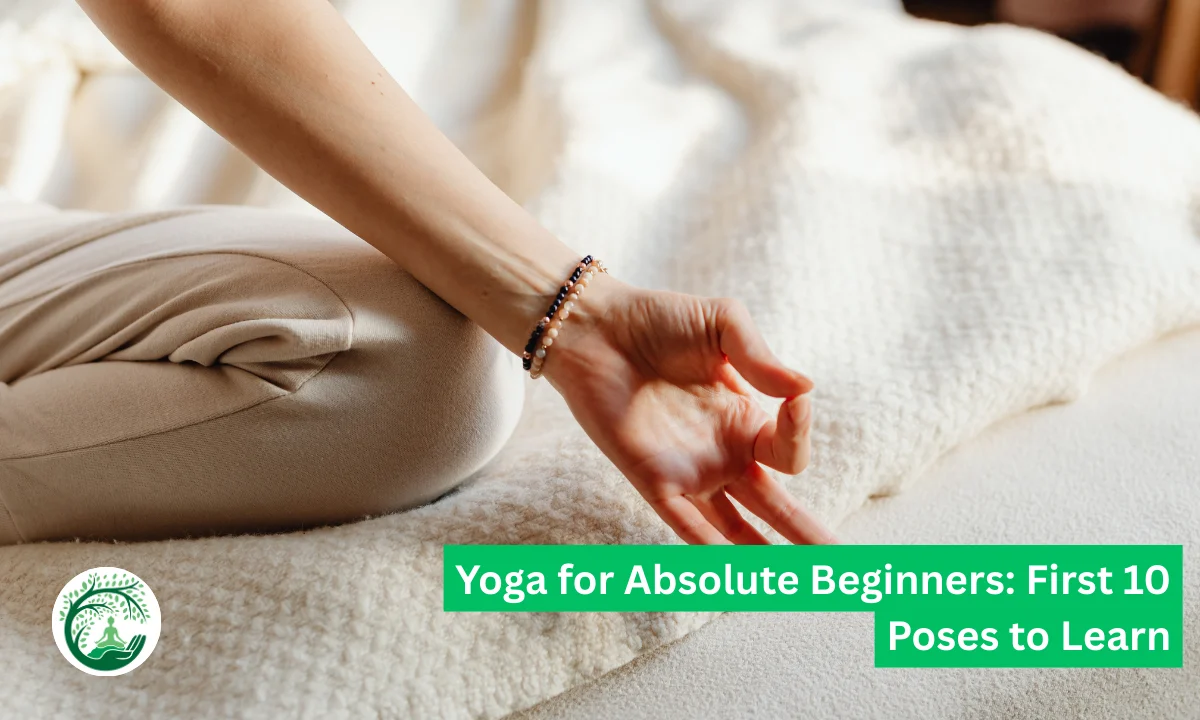
Easy Pose is the classic cross legged seated position for meditation. Sit on your mat and cross your shins comfortably. Keep your spine tall and shoulders relaxed. Rest your hands on your knees palms facing up or down. This simple pose becomes the foundation for breathing practices.
Pair easy pose with alternate nostril breathing for maximum benefits. This combination calms your nervous system powerfully. Beginners find this pose challenging if their hips are very tight. Sit on a folded blanket to elevate your hips slightly. Easy pose improves your posture and opens your hips gradually. It also teaches you to sit still which is harder than it sounds. Start with five minutes and build up slowly over time.
Tree Pose – Find Your Balance
Tree Pose is usually the first balance pose beginners attempt. Stand on your right leg and place your left foot on your inner thigh or calf. Never place it directly on your knee joint. Bring your hands to prayer position at your chest or raise them overhead. Focus your gaze on one fixed point ahead.
This pose builds serious concentration and balance skills. Your standing leg gets incredibly strong while your hip opens. Beginners wobble and fall constantly in tree pose which is part of the fun. Use a wall for support if you need it. The mental focus required in tree pose carries into other areas of life. It also strengthens your ankles and improves your overall stability. Practice on both sides holding for 30 seconds each.
Warrior II – Build Your Stamina
Warrior II is a powerful standing pose that builds endurance. Step your feet wide apart about four feet. Turn your right foot out 90 degrees and bend your right knee. Extend your arms parallel to the floor and gaze over your right hand. Keep your hips square and chest open.
This pose strengthens your legs tremendously while opening your hips. It builds stamina and improves your focus during challenging moments. Warrior II teaches you to stay grounded while reaching outward with intention. Beginners feel strong and empowered in this pose despite the leg burn. Your shoulders get toned and your core engages automatically for stability. Hold for 30 seconds then switch sides. This pose prepares you for more advanced variations later.
Corpse Pose – The Most Important
Corpse Pose ends every yoga practice and is surprisingly difficult. Lie flat on your back with legs separated and arms at your sides. Close your eyes and breathe naturally without forcing anything. Allow your entire body to completely relax into the floor.
This final relaxation lets your nervous system absorb all the benefits from your practice. Many beginners find lying still for 5 to 10 minutes incredibly challenging. Your mind wants to wander and your body wants to fidget. But corpse pose teaches you to be present and still.
It reduces stress dramatically and can improve your sleep quality. Some people fall asleep during corpse pose which is completely acceptable. This pose integrates everything you just practiced into your body and mind. Never skip it no matter how rushed you feel.
Related Posts :
Share This Post